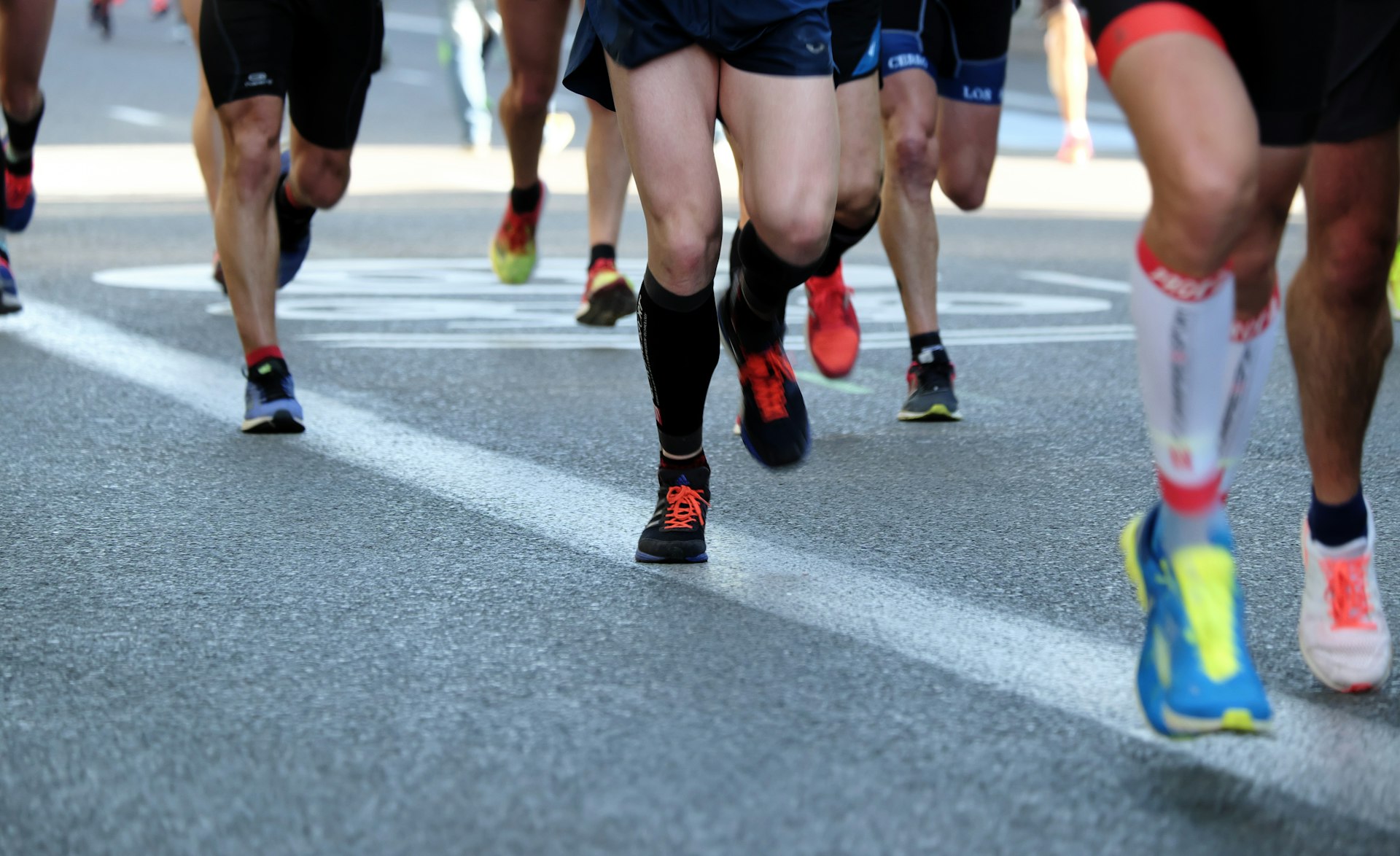
Optimizing Sports Performance in Extreme Environments: Strategies for Athletes

Photo by Juan Pablo on Unsplash
Understanding the Impact of Extreme Environments on Sports Performance
Extreme environments pose significant challenges to sports performance, influencing physiological responses, decision-making, and injury risk. Factors such as high temperatures, low oxygen at altitude, strong winds, and playing surfaces like artificial turf can reduce endurance, increase fatigue, and elevate injury rates. Athletes in outdoor sports, endurance events, and high-altitude competitions must adapt to these uncontrollable variables to maintain optimal output. Research shows that home-field advantage stems partly from familiarity with local conditions, with home teams winning over 50% of games due to environmental acclimation. [1] This article explores these impacts and provides practical strategies for preparation and performance enhancement.
Temperature extremes, both hot and cold, directly affect core body temperature and hydration status. In heat, excessive fluid loss impairs thermoregulation, leading to decreased performance; in cold, airway constriction and higher ventilation rates can cause bronchospasm. [1] Altitude reduces partial oxygen pressure, forcing compensatory increases in heart rate and ventilation, which accelerate fatigue in endurance sports like running and cycling. [1] Wind alters ball trajectories in sports like soccer or baseball and can aid or hinder sprinters depending on direction. Surfaces matter too: artificial turf’s high stiffness increases risks of knee, ankle injuries, and concussions compared to grass. [1] Understanding these effects allows athletes to implement targeted training.
Physiological Adaptations for Heat and Cold Stress
Athletes facing extreme heat, as in events like the Marathon des Sables or Badwater Ultramarathon, experience heightened sweating and skin blood flow to dissipate heat. Heat acclimation over 10-14 days enhances plasma volume, sweat efficiency, and tolerance, improving endurance by 5-10% in hot conditions. Start with gradual exposure: train in increasing heat intensities for 60-90 minutes daily, monitoring heart rate and perceived exertion. Hydrate preemptively with electrolyte solutions to replace sodium losses, aiming for 1.5 times fluid loss post-session. Challenges include gastrointestinal distress from overhydration; counter this by sipping small volumes frequently.
In cold environments, overdressing restricts movement and raises injury risk from reduced flexibility. Layer clothing to allow ventilation: base layer for wicking, mid-layer for insulation, outer shell for windproofing. Warm up thoroughly to prevent bronchospasm-include dynamic stretches and short jogs. Studies indicate cold air increases ventilation demands, so practice breathing techniques like nasal breathing to humidify air. Real-world example: Winter ultra runners use these methods to maintain pace in sub-zero temperatures, reducing performance drops by focusing on steady energy intake via high-carb gels.
Potential pitfalls include hypothermia in wet cold; monitor core temperature with ingestible sensors if available. Alternatives: indoor simulations using cooling vests or environmental chambers. These adaptations not only mitigate declines but can boost performance upon return to normal conditions through supercompensation. [1]
Altitude Training and Hypoxic Challenges
High altitude reduces oxygen availability, prompting physiological changes like elevated heart rate and lactate threshold shifts. For sports like mountaineering, skiing, or NFL games in Denver, pre-acclimation is key. The “live high, train low” method-inhabit altitude (2,000-2,500m) while training at sea level-boosts red blood cell production and VO2 max. Implement over 3-4 weeks: Week 1 at moderate altitude for rest, progressing to intervals. Track hemoglobin mass via blood tests if possible.
Endurance athletes like triathletes benefit from hypoxic tents for home use, simulating 3,000m elevations during sleep. Example: Climbers preparing for Everest use progressive ascents with rest days to avoid acute mountain sickness. Challenges: insomnia and appetite loss; solutions include carbohydrate loading and ginger supplements for nausea. Upon descent, expect a 3-5% performance gain lasting weeks. For team sports, scout venues early and incorporate altitude simulations in preseason camps. [1] [2]
Managing Wind, Air Quality, and Surface Risks
Wind affects precision sports by altering aerodynamics; track athletes gain legal advantages with tailwinds under 2m/s. Practice in variable conditions: use fans or coastal training to hone adjustments. Air pollution, common in urban marathons, reduces VO2 max-pace conservatively and train with masks to build tolerance. Surfaces: Turf’s friction overloads joints; strengthen ankles and knees with plyometrics and balance drills. Transition training-alternate grass and turf weekly-lowers injury risk by 20-30%.
In extreme sports like big-wave surfing or BASE jumping, unstable winds demand attunement to environmental cues. Develop perceptual skills through video analysis of sessions, focusing on micro-adjustments. Injury data shows turf contributes to higher non-contact injuries; opt for venues with hybrid surfaces when possible. [1]
Psychological Strategies for Extreme Performance
Extreme environments amplify mental demands, requiring split-second decisions amid stress. Psychological resilience involves focus and emotional regulation; skiers show peak performance with high attentional control despite fear. [2] Build this via mindfulness meditation (10-20 min daily) and visualization of worst-case scenarios. In hypoxic or thermal stress, biofeedback trains heart rate variability for calm under pressure.

Photo by Juan Pablo on Unsplash
Case study: NBA’s Golden State Warriors used molecular profiling for individualized plans, correlating with low injury rates and record wins. Athletes can adopt self-monitoring: journals tracking mood, sleep, and performance metrics. Group dynamics help-team briefings on environmental forecasts foster shared strategies. Challenges like decision fatigue are countered by routines: pre-event rituals to anchor focus.
Integrated Training Programs and Injury Prevention
Holistic programs combine physiological and psychological prep. Periodize training: 4 weeks base building, 2 weeks specific simulations, 1 week taper. Nutrition: high carbs for hypoxia, anti-inflammatories for heat. Recovery: cryotherapy post-extreme sessions. Monitor with wearables for real-time data on strain.
Safety-performance balance in extreme sports emphasizes adaptive decision-making during activity. For instance, free divers train breath-holds progressively to handle pressure. [5] Prevent turf injuries via footwear rotation and strength work. Molecular approaches, like Warriors’ model, optimize via biomarkers-consult sports labs for testing. [3]
To apply: Assess your sport’s extremes, simulate weekly, track progress quarterly. Consult coaches or physiologists for personalization. These steps empower athletes to thrive where others falter.
References
[1] Trine University (2023). How the Environment Impacts Sports Performance. [2] Brymer, E. et al. (2020). Conceptualising Performance Enhancement in Extreme Sports. Muscles, Ligaments and Tendons Journal. [3] Schmidt, J. & Penfold, R. (2024). Optimizing human performance in extreme environments. PMC. [4] Frontiers (n.d.). Extreme Environments in Movement Science and Sport Psychology. [5] Purdue University (n.d.). Safety-Performance Management in Extreme Sports.