Bridging Performance and Planet: The Evolution of Eco-Conscious Sports Gear

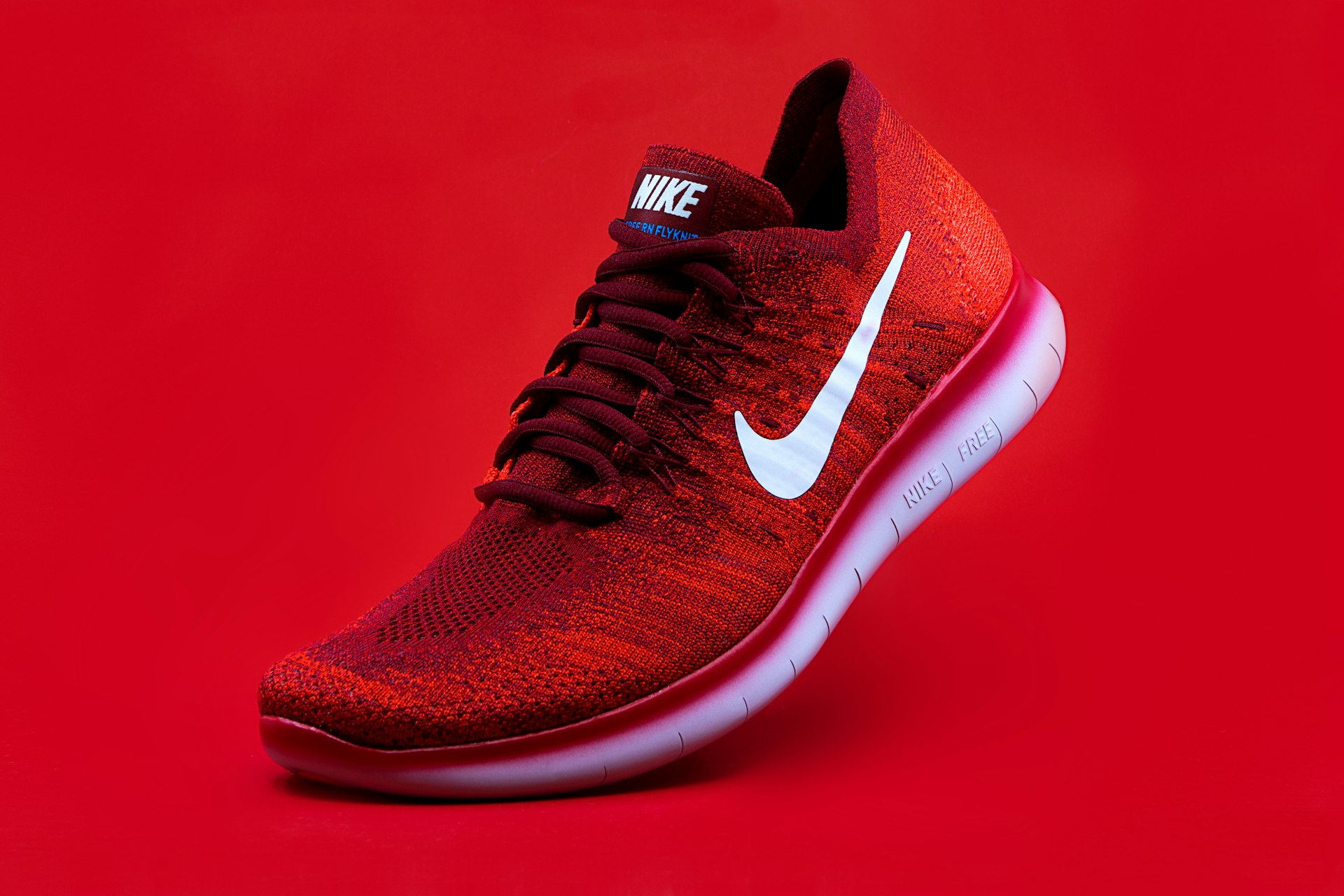
Photo by Arthur Charles Pratt on Unsplash
The Quiet Shift in Athletic Gear Design
For generations, sports equipment manufacturers prioritized speed, durability, and performance above all else. The result was a global industry that generated millions of tons of waste each year, from discarded shoes and jerseys to unused equipment that ended up in landfills. But in recent years, a growing number of designers, engineers, and brands have begun to challenge this status quo, asking a simple question: what if sports gear could perform at the highest level and be kind to the planet?
Material Innovations Leading the Charge
One of the most visible changes in sustainable sports equipment is the shift to recycled and renewable materials. For example, many running shoe brands now use recycled plastic bottles to create the upper mesh of their shoes. A single pair of shoes can repurpose up to 10 plastic bottles, keeping them out of oceans and landfills. Beyond plastics, companies are experimenting with mycelium-root-like structures of mushrooms-to create lightweight, durable insoles and even shoe soles. Mycelium is biodegradable, requires minimal water and land to grow, and can be molded into complex shapes without harmful chemicals.
Bamboo is another material gaining traction in sports gear. Its fast growth rate and natural antibacterial properties make it ideal for everything from yoga mats to baseball bats. Unlike traditional wood, bamboo does not require pesticides or fertilizers, and it absorbs more carbon dioxide than most trees, making it a carbon-negative material choice.
Another breakthrough is the use of recycled rubber for athletic surfaces and equipment. Old tires are shredded and processed into rubber pellets that can be used to make track surfaces, playground equipment, and even the soles of sneakers. This not only reduces the number of tires in landfills but also creates a more shock-absorbent surface that reduces the risk of injury for athletes.
Circular Economy Practices in Production
Beyond material choices, brands are adopting circular economy principles to reduce waste throughout the product lifecycle. Circular economy models focus on keeping products and materials in use for as long as possible, repairing and recycling them instead of discarding them. For example, Patagonia’s Worn Wear program offers free repairs for its clothing and gear, extending the lifespan of each item by an average of two years. The brand also sells refurbished gear at a discount, giving secondhand items a new lease on life.
Adidas has taken a similar approach with its Parley for the Oceans line, which uses recycled ocean plastic to create soccer cleats, running shoes, and athletic apparel. The brand also operates a take-back program where customers can return old Adidas shoes to be recycled into new products. Since the program launched in 2015, Adidas has recycled over 10 million pairs of shoes, keeping more than 30,000 tons of plastic out of landfills and oceans.
Smaller brands are also leading the way in circular design. For example, Allbirds, a sustainable shoe company, offers a shoe take-back program where customers can send back worn-out shoes to be composted or recycled. The brand’s Tree Runners are made from eucalyptus fiber, which is grown in sustainably managed forests and requires 95% less water than cotton.
The Impact on Athletes and Consumers
The shift to sustainable sports equipment is not just good for the planet-it’s also good for athletes. Many sustainable materials offer performance benefits that rival traditional materials. For example, mycelium insoles provide better shock absorption than foam, reducing fatigue during long runs. Bamboo yoga mats are more slip-resistant than traditional PVC mats, making them safer for practice. Recycled rubber track surfaces are more forgiving on joints, reducing the risk of stress injuries for runners and athletes.
Consumers are also embracing sustainable sports gear, with a 2023 survey by the Outdoor Industry Association finding that 68% of outdoor athletes prioritize sustainable products when making purchasing decisions. This demand is driving brands to invest more in sustainable innovation, creating a virtuous cycle where better sustainability leads to better performance, which in turn leads to more consumer adoption.
Future Directions for Sustainable Sports Equipment
Looking ahead, the future of sustainable sports equipment is bright. Researchers are currently developing biodegradable sports gear that can break down in compost piles within a few years, eliminating the need for landfills. For example, a team at the University of California, Berkeley, is working on a biodegradable soccer ball made from plant-based materials that can be composted after use.

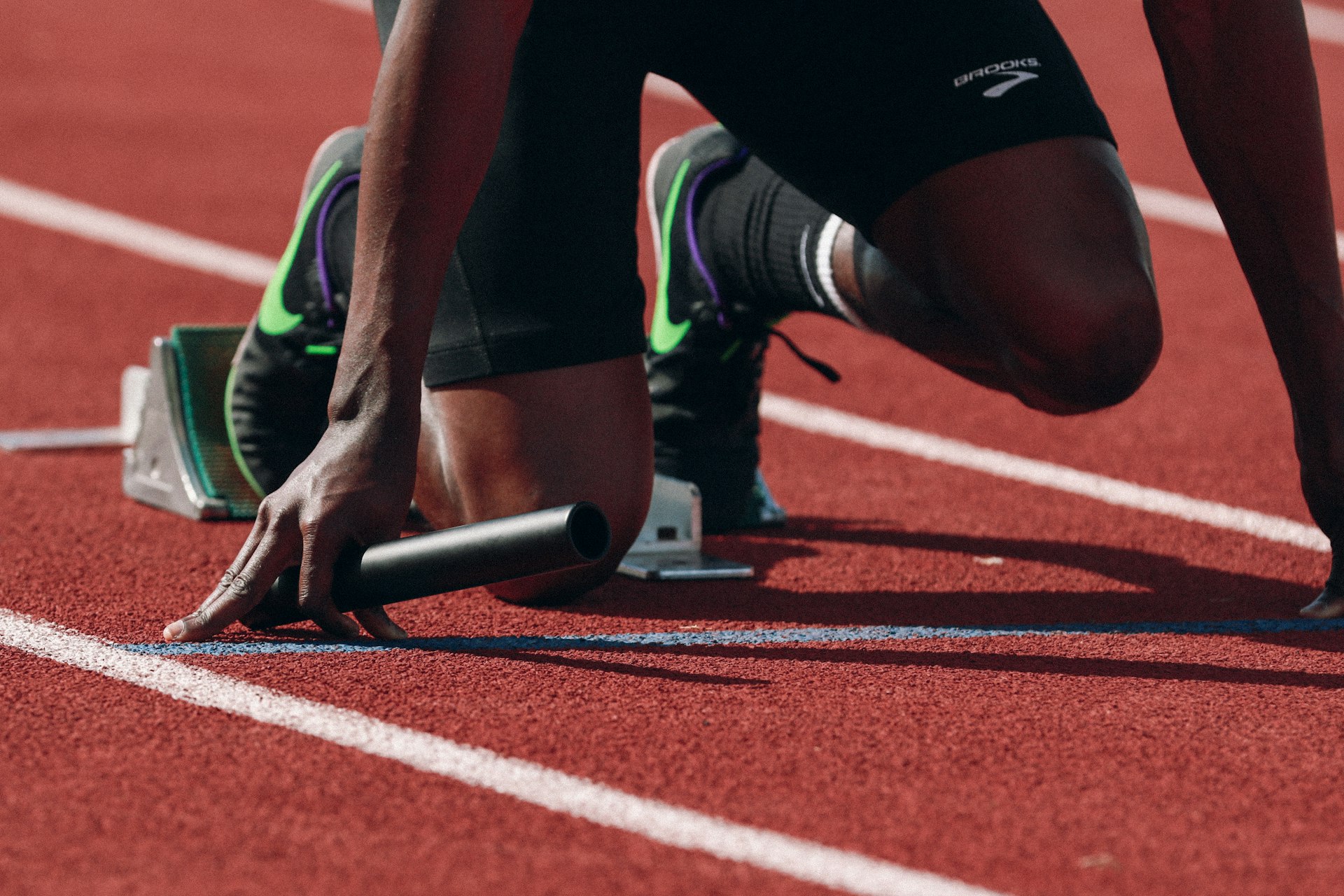
Photo by 炫铭 on Unsplash
Another area of innovation is the use of artificial intelligence to optimize production processes and reduce waste. AI algorithms can predict demand for specific products, allowing brands to produce only what is needed and avoid overproduction. AI can also help designers create more efficient products, reducing the amount of material needed to make each item.
Finally, there is a growing movement to standardize sustainability certifications for sports equipment. Currently, there are dozens of different certifications, making it difficult for consumers to know which products are truly sustainable. A universal certification would help consumers make informed decisions and hold brands accountable for their environmental claims.
As the sports industry continues to evolve, it’s clear that sustainability will play an increasingly important role in the design and production of athletic gear. What started as a niche movement has become a mainstream trend, and it’s likely to shape the future of sports for generations to come. Whether you’re a professional athlete or a weekend warrior, the choices you make about your sports gear can have a real impact on the planet-and that’s a win for everyone.