Navigating Collaborative Partnerships for Women in Competitive Sports

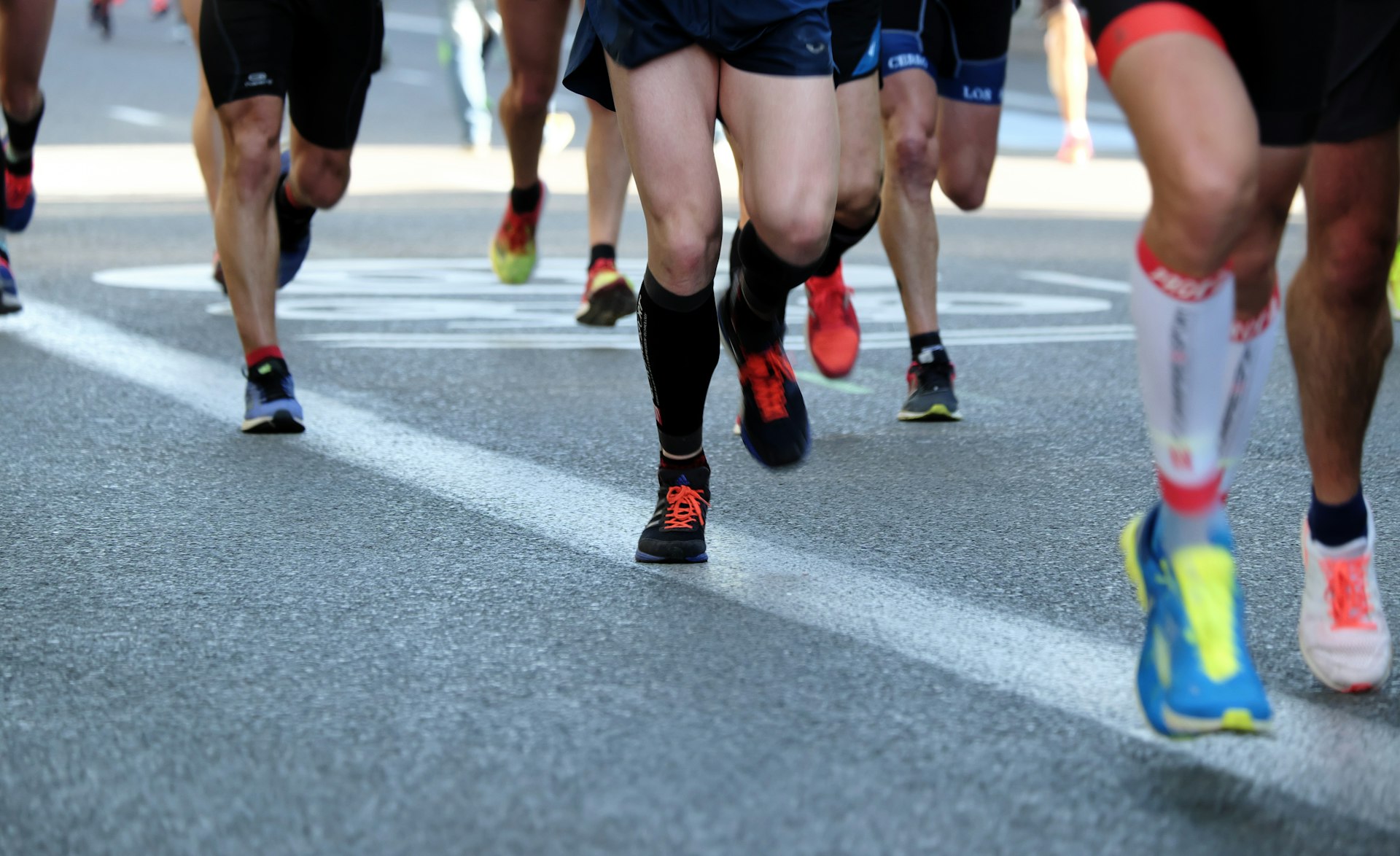
Photo by Quino Al on Unsplash
Across the global sports landscape, the dynamic between athletes and brands has shifted dramatically over the past two decades. What once was a straightforward exchange of endorsement for financial support has evolved into complex, collaborative partnerships that prioritize shared values and long-term impact. For women in sports, this shift has opened new doors, as brands increasingly recognize the unique influence and audience that female athletes bring to the table.
The Evolution of Athlete-Brand Alliances
Historically, sponsorships for female athletes were rare and often limited to niche brands or local businesses. Mainstream corporations tended to focus their sports marketing budgets on male athletes, who were seen as having broader appeal and larger fan bases. However, recent years have witnessed a significant change, driven by growing awareness of gender equality in sports and the rising popularity of women’s leagues and competitions. For example, the 2023 FIFA Women’s World Cup drew record viewership numbers, with over 2 billion people tuning in globally, demonstrating the massive potential audience that female athletes can reach.
This shift has also been fueled by changing consumer preferences. Modern audiences, particularly younger demographics, are more likely to support brands that align with their values, including gender equity and social responsibility. Brands that partner with female athletes are often perceived as more inclusive and forward-thinking, which can enhance their reputation and customer loyalty. As a result, many companies are reallocating their marketing resources to include female athletes in their campaigns, creating a more diverse and equitable sponsorship landscape.
Key Considerations for Female Athletes Seeking Partnerships
For female athletes looking to build partnerships with brands, there are several key factors to consider before entering into any agreement. First and foremost, alignment of values is critical. Athletes should seek out brands that share their personal and professional values, whether that’s a commitment to sustainability, community engagement, or youth development. A partnership based on shared values is more likely to be authentic and resonate with both the athlete’s audience and the brand’s customers.
Another important consideration is the scope of the partnership. Athletes should carefully evaluate what they are able to offer the brand, such as social media reach, event appearances, or product endorsements, and ensure that the brand’s expectations are realistic and manageable. It’s also important to negotiate clear terms and conditions, including financial compensation, duration of the partnership, and any exclusivity clauses. Working with a sports agent or legal professional can help athletes navigate these negotiations and ensure that their interests are protected.
Additionally, athletes should consider the long-term impact of the partnership on their career. A well-chosen partnership can provide not only financial support but also access to training resources, mentorship opportunities, and media exposure that can help them advance their athletic career. On the other hand, a poorly chosen partnership can damage their reputation or limit their future opportunities, so it’s important to take the time to research potential brands and make informed decisions.
Types of Collaborative Arrangements
There are several different types of collaborative arrangements that female athletes can enter into with brands, each with its own benefits and considerations. One common type is the endorsement deal, where the athlete promotes the brand’s products or services through social media, advertising campaigns, or public appearances. Endorsement deals can be highly lucrative, but they often require a significant time commitment and may include exclusivity clauses that limit the athlete’s ability to work with other brands in the same industry.

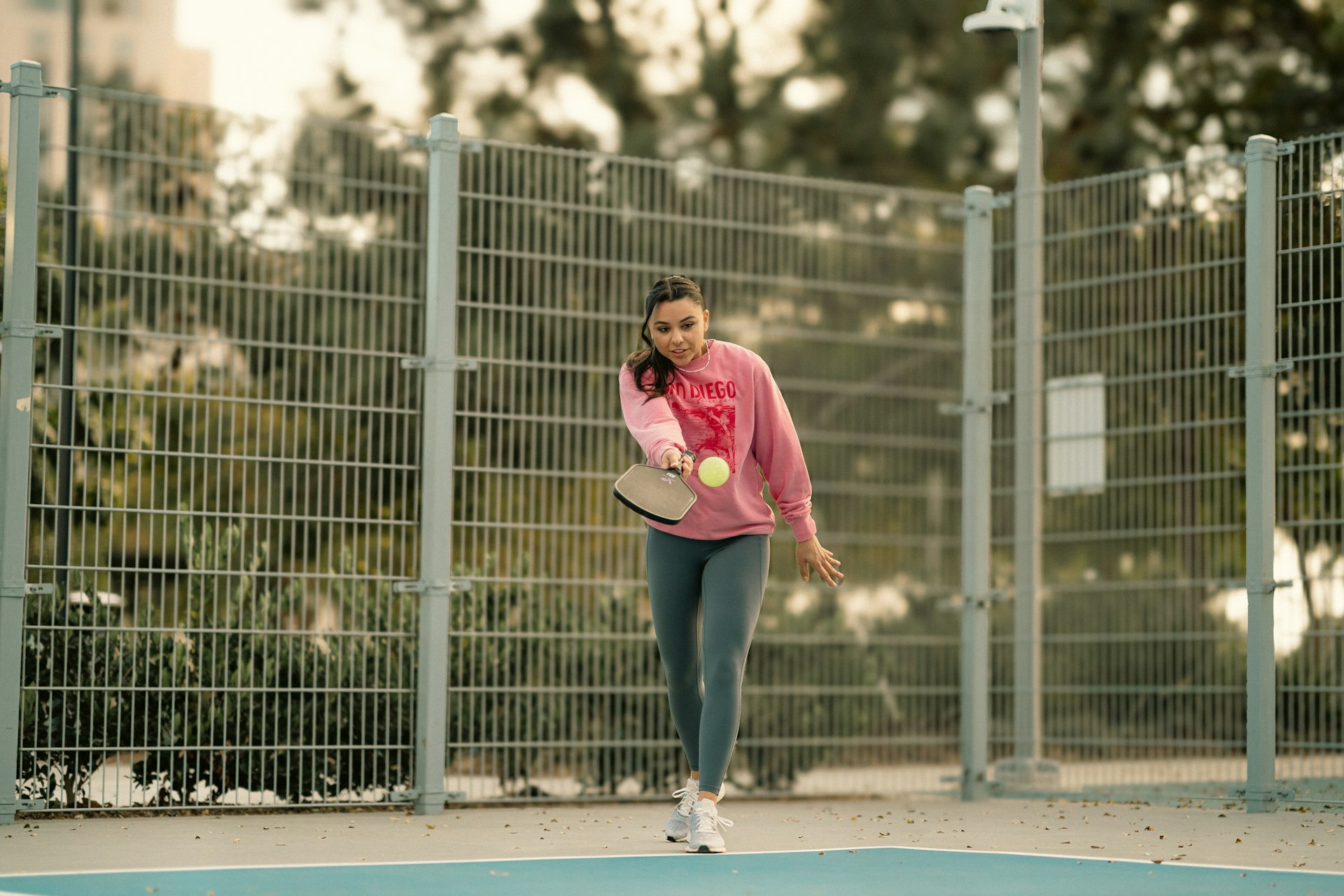
Photo by Jadon Johnson on Unsplash
Another type of partnership is the brand ambassador role, which is typically a longer-term arrangement that involves the athlete representing the brand’s values and mission across multiple platforms. Brand ambassadors often have more input into the creative direction of the partnership and may be involved in product development or community outreach initiatives. This type of partnership can be particularly beneficial for athletes who want to build a deeper, more meaningful relationship with a brand.
Sponsorships for specific events or competitions are also common, where a brand provides financial support or resources to an athlete in exchange for visibility during a particular event. This type of partnership can be a good option for athletes who are competing in high-profile events and want to secure additional support to cover training costs or travel expenses. Event sponsorships are often shorter-term and more focused on immediate visibility, making them a flexible option for athletes who want to test the waters with a brand before committing to a longer-term partnership.
Finally, some athletes choose to enter into collaborative content creation partnerships, where they work with brands to create original content such as videos, blogs, or social media posts that highlight the brand’s products or services in an authentic way. This type of partnership allows athletes to leverage their creative skills and personal brand to connect with their audience while promoting the brand’s message. Collaborative content creation partnerships are often more flexible than traditional endorsement deals and can be tailored to the athlete’s interests and strengths.
Measuring Mutual Success in Partnerships
Once a partnership is in place, it’s important for both the athlete and the brand to measure its success to ensure that it is delivering on its intended goals. For brands, key performance indicators (KPIs) may include increases in brand awareness, customer engagement, or sales. For athletes, KPIs may include increases in social media followers, media exposure, or financial compensation. It’s important for both parties to agree on these KPIs at the beginning of the partnership and to regularly review and adjust them as needed.
One way to measure the success of a partnership is to track social media metrics, such as likes, shares, comments, and follower growth. These metrics can provide valuable insights into how the partnership is resonating with the athlete’s audience and the brand’s customers. Additionally, brands may conduct surveys or focus groups to gather feedback on the partnership and its impact on their brand reputation.
Another important factor to consider is the long-term impact of the partnership on the athlete’s career. A successful partnership can open doors to new opportunities, such as additional sponsorships, media appearances, or speaking engagements. It can also help athletes build a strong personal brand that extends beyond their athletic career, providing them with a platform to pursue other interests or ventures.
In conclusion, the landscape of athlete-brand partnerships is constantly evolving, and female athletes have more opportunities than ever to build meaningful, collaborative relationships with brands. By focusing on shared values, negotiating clear terms, and measuring the success of their partnerships, female athletes can leverage these alliances to advance their careers and create long-term value for both themselves and the brands they work with. As the sports industry continues to grow and evolve, it’s likely that these partnerships will become even more important for female athletes looking to succeed in both their athletic and professional lives.