How Advanced Visual Analytics Are Transforming Athlete Development and Performance Tracking

Photo by ThisisEngineering on Unsplash
Introduction
For decades, athletic training relied on subjective observations from coaches and basic performance metrics like speed or distance. But as sports become increasingly competitive, athletes and teams are turning to data-driven tools to gain an edge. One such tool has emerged as a game-changer in recent years: advanced visual analytics that capture and interpret movement with remarkable accuracy.
Understanding the Technology Behind Visual Athlete Analytics
At its core, this technology uses a combination of high-speed cameras, machine learning algorithms, and 3D modeling to track every nuance of an athlete’s movement. Cameras placed strategically around training facilities capture hundreds of frames per second, creating a detailed record of posture, joint angles, and muscle activation. Algorithms then process this data to identify patterns, compare against optimal movement benchmarks, and flag areas for improvement.

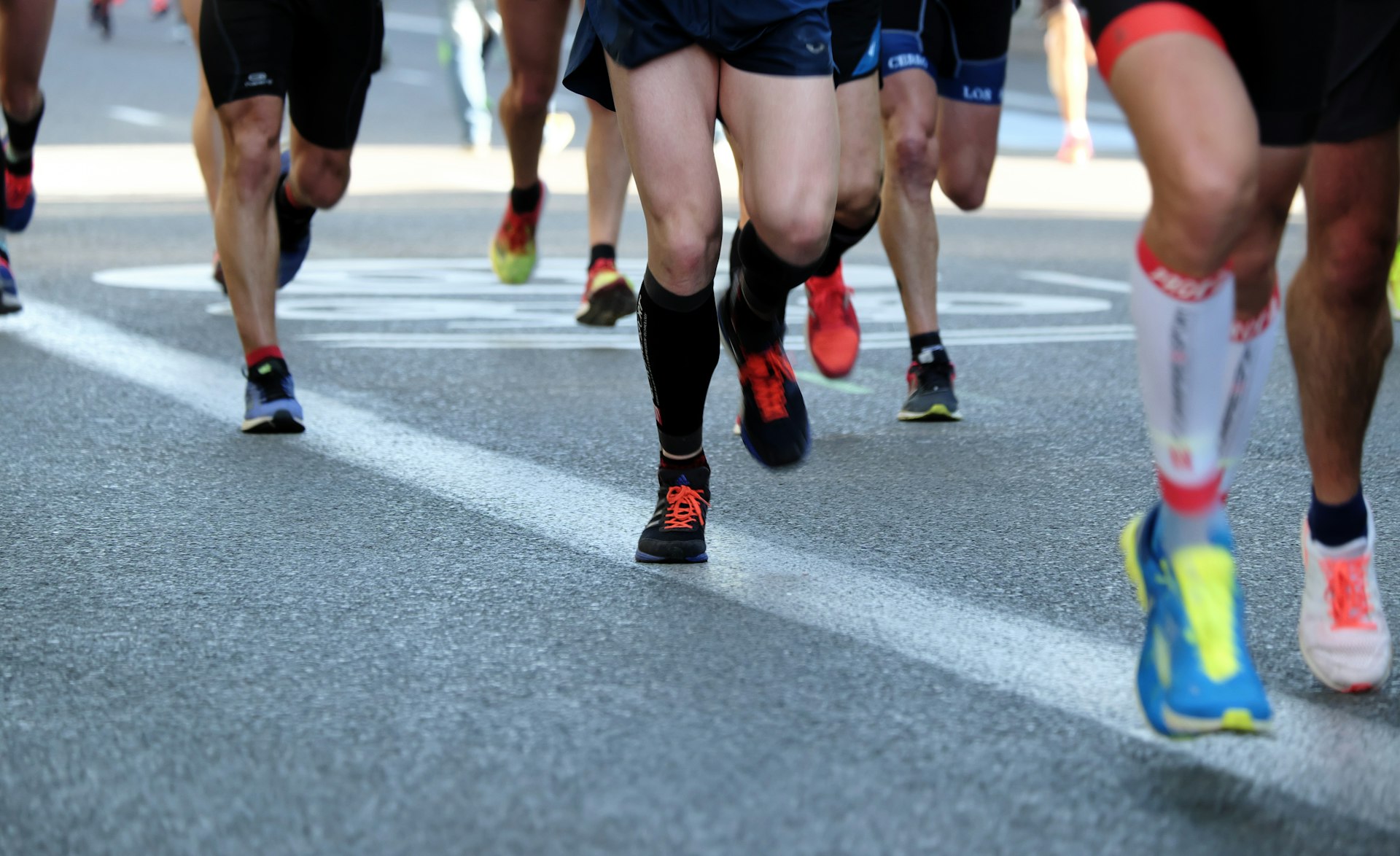
Photo by Dámaris Azócar on Unsplash
Unlike traditional motion capture systems that required athletes to wear bulky sensors, modern visual tools are non-intrusive, allowing training sessions to proceed naturally without disrupting an athlete’s flow. This makes it easier to collect data during real practice scenarios, rather than in controlled lab settings, providing more accurate insights into how an athlete performs under actual training conditions.
Key Applications in Athlete Development
Technique Refinement
One of the most common uses of this technology is to refine athletic technique. For example, in track and field, sprinters can analyze their stride length, foot strike pattern, and hip rotation to identify inefficiencies that may be slowing them down. Coaches can use side-by-side comparisons of an athlete’s movement against elite performers to highlight specific adjustments needed. In gymnastics, visual analytics can help pinpoint subtle flaws in a routine that might lead to deductions or increase injury risk, such as uneven weight distribution during a vault.
Injury Prevention
Injury prevention is another critical application. By monitoring movement patterns over time, the technology can detect early signs of overuse injuries, such as a runner’s gradual shift in gait that puts extra stress on the knee joint. Coaches can then adjust training loads or modify exercises to correct these issues before they develop into serious injuries. For contact sports like football, visual analytics can track how players land after jumps or absorb impacts, helping to design training programs that reduce the risk of concussions or joint damage.
Performance Optimization
Beyond technique and injury prevention, visual analytics can also optimize overall performance. For swimmers, the technology can measure drag by analyzing body position in the water, helping athletes adjust their stroke to move more efficiently. In basketball, it can track a player’s shooting mechanics, including release angle and follow-through, to increase shooting accuracy. Teams can also use this data to develop personalized training plans that target an athlete’s specific weaknesses, ensuring that every training session is focused and effective.
Real-World Case Studies
Professional sports teams have already integrated these tools into their training regimens. The NBA’s Golden State Warriors, for example, use visual analytics to analyze player movement during practices and games, helping coaches design plays that leverage each player’s strengths. In soccer, the English Premier League’s Manchester City uses the technology to monitor player fatigue and adjust substitution strategies during matches.
Collegiate programs are also adopting these tools. The University of Oregon’s track and field team uses visual analytics to help sprinters refine their starts, resulting in improved race times for many athletes. Even individual athletes, such as Olympic gymnasts, use these tools to prepare for competitions, ensuring that their routines are as precise and efficient as possible.
Future Directions for Visual Athlete Analytics
As technology continues to advance, the potential applications of visual analytics in athletic training are only growing. Future developments may include real-time feedback during training sessions, allowing athletes to adjust their technique immediately. Integration with wearable devices could provide even more comprehensive data, combining visual movement tracking with biometric data like heart rate and muscle activity.
Additionally, the use of artificial intelligence to predict performance outcomes based on movement patterns could revolutionize how teams scout talent and develop training programs. By analyzing data from thousands of athletes, AI algorithms could identify the movement patterns that correlate with success in specific sports, helping coaches identify promising young athletes early on.
While visual analytics are already transforming athletic training, there is still much to learn about how to best use these tools to support athlete development. As researchers continue to study the impact of these technologies on performance and injury prevention, it is likely that they will become an even more integral part of sports training in the years to come.