Revolutionizing Athlete Development: The Quiet Evolution of Data-Driven Support in Sports Training

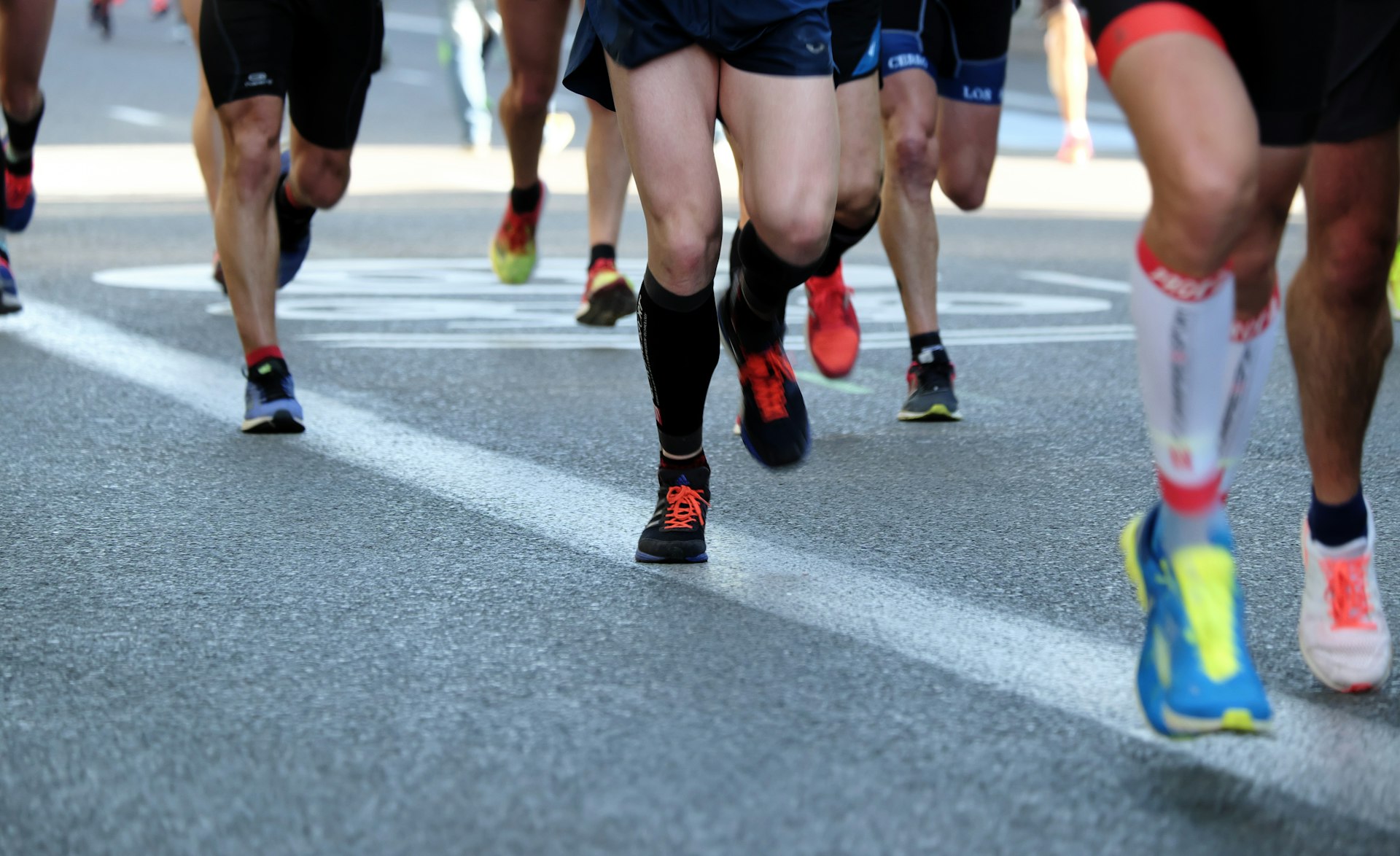
Photo by ThisisEngineering on Unsplash
Personalized Training Plans Tailored to Individual Athletes
Gone are the days when coaches relied solely on intuition and generic workout schedules to guide their athletes. Modern support systems now leverage vast datasets to create training regimens that align with an athlete’s specific physiology, fitness level, and competitive goals. For example, a runner’s training plan might be adjusted based on data from wearable devices that track heart rate variability, stride length, and recovery time. A 2023 study published in the Journal of Sports Science found that runners using these data-driven plans improved their 5K times by an average of 7% over 12 weeks, compared to 3% for those following generic plans. This level of personalization ensures that each session is neither too easy nor overly strenuous, maximizing gains while minimizing the risk of burnout.
Real-Time Performance Feedback During Practice and Competition
During live sessions, athletes can receive immediate insights into their form and technique. Camera systems paired with advanced algorithms can detect subtle flaws in a tennis player’s swing or a basketball player’s shooting motion, providing instant corrections that would take a human coach minutes to identify. In baseball, pitch-tracking systems can analyze a pitcher’s release point and spin rate, helping them adjust their delivery to make pitches more effective against specific batters. This real-time feedback allows athletes to adjust their movements on the spot, accelerating skill acquisition and reducing the time spent unlearning bad habits. In team sports, these systems can also analyze positional data, helping coaches optimize player placement and strategy during games.
Proactive Injury Prevention Through Predictive Analytics
One of the most impactful applications of these tools is in injury prevention. By analyzing historical data on an athlete’s training load, past injuries, and biomechanical patterns, systems can predict when an athlete is at risk of overuse injuries such as stress fractures or tendonitis. Coaches can then adjust training volumes or incorporate targeted recovery exercises to mitigate these risks. For instance, a soccer player with a history of knee injuries might be given modified drills that reduce strain on the joint, while still maintaining their fitness level. A 2022 report from the International Olympic Committee noted that teams using these predictive tools saw a 22% reduction in overuse injuries among their athletes. This proactive approach not only keeps athletes on the field longer but also reduces the long-term health consequences of sports-related injuries.

Photo by Fotos on Unsplash
Identifying Hidden Talent at Early Stages
Beyond training and injury prevention, these tools are also changing how talent is identified. Youth sports programs can use data from local competitions to spot athletes with exceptional physical attributes or technical skills that might otherwise go unnoticed. For example, a young swimmer with an unusually efficient stroke could be flagged for advanced training based on data from their race times and underwater footage. This democratization of talent scouting ensures that promising athletes from all backgrounds have the opportunity to develop their skills at higher levels, regardless of their access to elite coaching resources. In some cases, this has led to athletes from underserved communities being recruited by professional teams, opening up new pathways for success in sports.
Accessibility for Amateur and Recreational Athletes
While these tools were once exclusive to professional teams with large budgets, they are now becoming more accessible to amateur athletes. Mobile apps and affordable wearable devices allow recreational runners, cyclists, and gym-goers to track their performance and receive personalized feedback. For example, a cyclist using a smart bike trainer can get insights into their power output and cadence, helping them improve their endurance and efficiency. Many of these apps also offer community features, allowing athletes to connect with others who have similar goals and share their progress. This accessibility is empowering everyday athletes to train more effectively and achieve their personal fitness goals, bridging the gap between professional and recreational sports.
The Future of Athlete Support in Sports
As technology continues to evolve, the potential applications of these systems in sports are nearly limitless. Future developments might include virtual reality simulations that allow athletes to practice in realistic game scenarios, or adaptive nutrition plans that adjust to an athlete’s training schedule and recovery needs. However, it’s important to note that these tools are designed to complement, not replace, human coaches. The human element of coaching-motivation, emotional support, and strategic decision-making-remains irreplaceable. By combining the best of human expertise with data-driven insights, athletes can reach new levels of performance and achieve their full potential. As more research is conducted in this area, we can expect to see even more innovative ways to support athletes at all levels of competition.