Maximizing Athlete Recovery: The Science Behind Cold Water Immersion

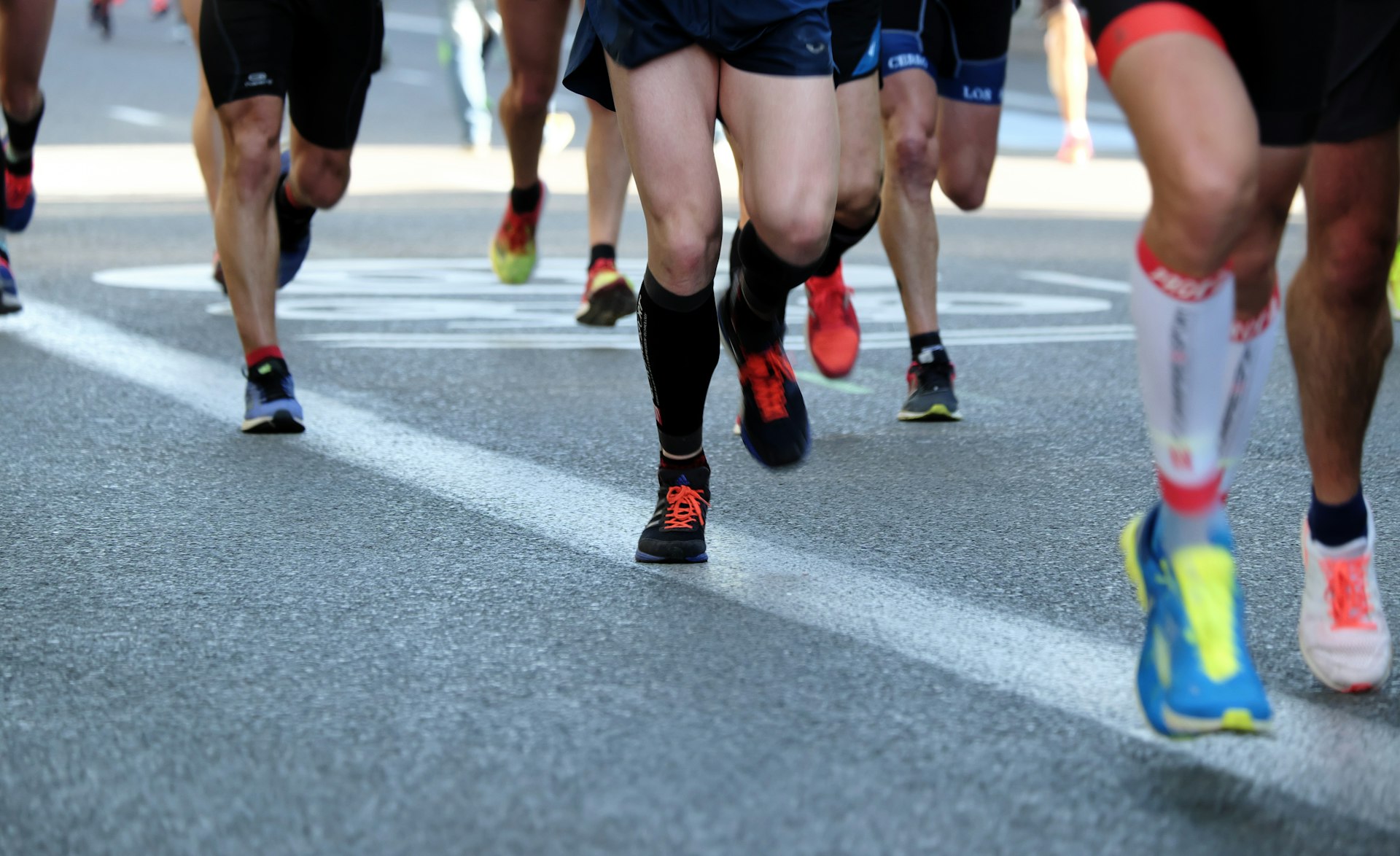
Photo by Navy Medicine on Unsplash
For decades, athletes have turned to various recovery techniques to bounce back faster from strenuous workouts and competitive events. One method that has gained significant attention in recent years is the controlled use of low-temperature water exposure as part of a comprehensive recovery plan. This practice has been adopted by everyone from weekend warriors to professional athletes in sports like running, basketball, and mixed martial arts, with many reporting noticeable improvements in their recovery timelines.
Physiological Responses to Cold Water Exposure
When the body is submerged in cold water, several key physiological changes occur that contribute to recovery. The first and most immediate response is vasoconstriction-the narrowing of blood vessels near the skin’s surface. This reduces blood flow to the extremities, which in turn decreases the amount of fluid that leaks into surrounding tissues, helping to minimize swelling and edema that often develop after intense exercise.
Another critical effect is the reduction of inflammation. Intense physical activity causes micro-tears in muscle fibers and triggers an inflammatory response as the body begins the repair process. While inflammation is a natural and necessary part of healing, excessive or prolonged inflammation can delay recovery and increase soreness. Cold water immersion has been shown to modulate this inflammatory response by reducing the production of pro-inflammatory cytokines, thereby speeding up the transition from the inflammatory phase to the repair phase.
Additionally, cold water exposure can help to lower muscle temperature, which reduces metabolic activity in the muscles. This decrease in metabolic rate slows down the breakdown of muscle glycogen and reduces the production of lactic acid, a byproduct of anaerobic exercise that contributes to muscle fatigue and soreness. By lowering lactic acid levels, athletes can experience faster relief from post-workout discomfort and return to training sooner.
Implementing Cold Water Immersion Safely and Effectively
To maximize the benefits of cold water immersion while minimizing risks, it’s important to follow evidence-based guidelines for temperature, duration, and frequency. The optimal water temperature for recovery purposes typically ranges between 10 to 15 degrees Celsius (50 to 59 degrees Fahrenheit). Temperatures below this range can increase the risk of hypothermia or tissue damage, while temperatures above may not provide the desired physiological effects.
Duration of immersion is another key factor. Most studies recommend sessions lasting between 10 to 15 minutes. Shorter sessions may not be long enough to trigger the necessary physiological responses, while longer sessions can lead to adverse effects such as increased blood pressure or reduced muscle strength. It’s also important to note that athletes should avoid staying in cold water for extended periods immediately after a workout, as this can interfere with the body’s natural repair processes.
Frequency of use depends on the athlete’s training schedule and individual needs. For athletes engaging in high-intensity training multiple times per week, cold water immersion can be used 2 to 3 times per week. However, it’s important to listen to the body and adjust the frequency as needed-overuse can lead to decreased muscle adaptation and reduced performance gains over time.
Considerations and Precautions
While cold water immersion can be a valuable tool for athlete recovery, it’s not suitable for everyone. Athletes with certain medical conditions, such as cardiovascular disease, Raynaud’s syndrome, or asthma, should consult with a healthcare provider before incorporating cold water immersion into their recovery routine. Additionally, athletes who are pregnant or have open wounds should avoid cold water immersion to prevent complications.
It’s also important to remember that cold water immersion is not a standalone recovery method. It should be used in conjunction with other evidence-based recovery strategies, such as proper nutrition, adequate sleep, active recovery exercises, and stretching. Combining these methods can help athletes achieve optimal recovery results and maintain long-term performance.
Another consideration is the psychological impact of cold water immersion. For some athletes, the initial shock of cold water can be stressful, which may counteract some of the recovery benefits. To minimize this stress, athletes can gradually acclimate to the cold water by starting with shorter sessions and lower temperatures, or by using a gradual cooling process instead of full immersion.
Current Research and Future Directions
While there is a growing body of research supporting the benefits of cold water immersion for athlete recovery, there are still many unanswered questions. For example, researchers are still exploring the optimal timing of cold water immersion-whether it’s more effective immediately after a workout or a few hours later. Additionally, studies are ongoing to determine the long-term effects of regular cold water immersion on muscle adaptation and performance.

Photo by Hayato Shin on Unsplash
Another area of research is the use of alternative cold exposure methods, such as cold showers, cryotherapy chambers, and ice baths. While these methods share some similarities with cold water immersion, they also have distinct differences in terms of temperature, duration, and physiological effects. Future studies will help to clarify which methods are most effective for different types of athletes and training scenarios.
In conclusion, cold water immersion is a promising recovery tool that can help athletes reduce soreness, minimize inflammation, and speed up recovery after intense exercise. However, it’s important to use this method safely and effectively, following evidence-based guidelines and consulting with a healthcare provider if needed. By incorporating cold water immersion into a comprehensive recovery plan, athletes can optimize their performance, reduce the risk of injury, and maintain their competitive edge over time. As research in this area continues to evolve, athletes will have access to even more personalized and effective recovery strategies to support their training goals.