Unlocking Peak Performance: Proven Sports Psychology Strategies for Athletes

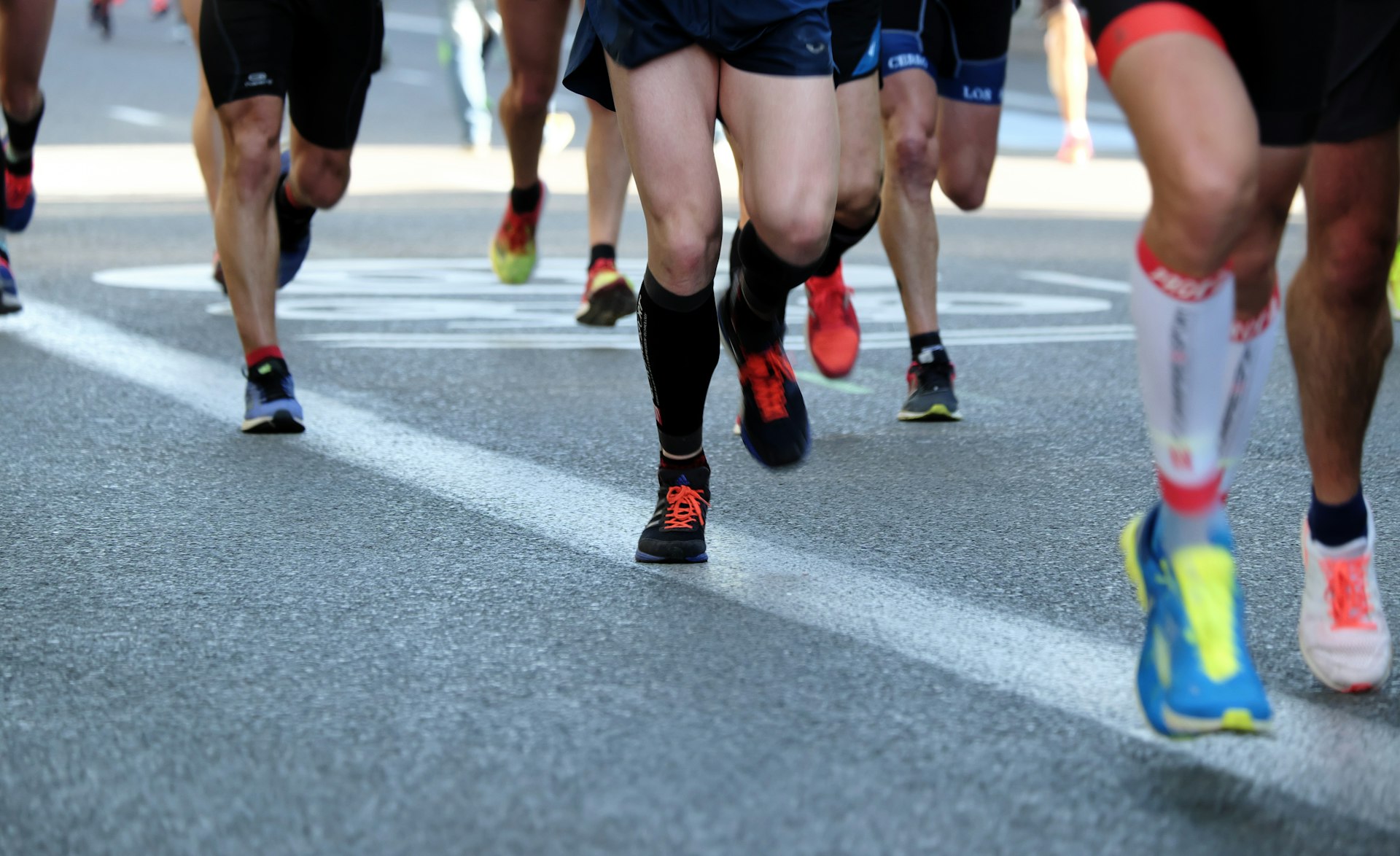
Photo by Shelby Murphy Figueroa on Unsplash
Introduction: The Power of Mind in Athletics
While physical conditioning remains crucial, athletes and coaches increasingly recognize that mental strength often separates good from great performance. Sports psychology for performance enhancement leverages evidence-based techniques to help athletes optimize focus, confidence, and resilience under pressure. Whether you’re an elite competitor or a dedicated amateur, understanding and applying these strategies can provide a measurable edge on and off the field [1] .

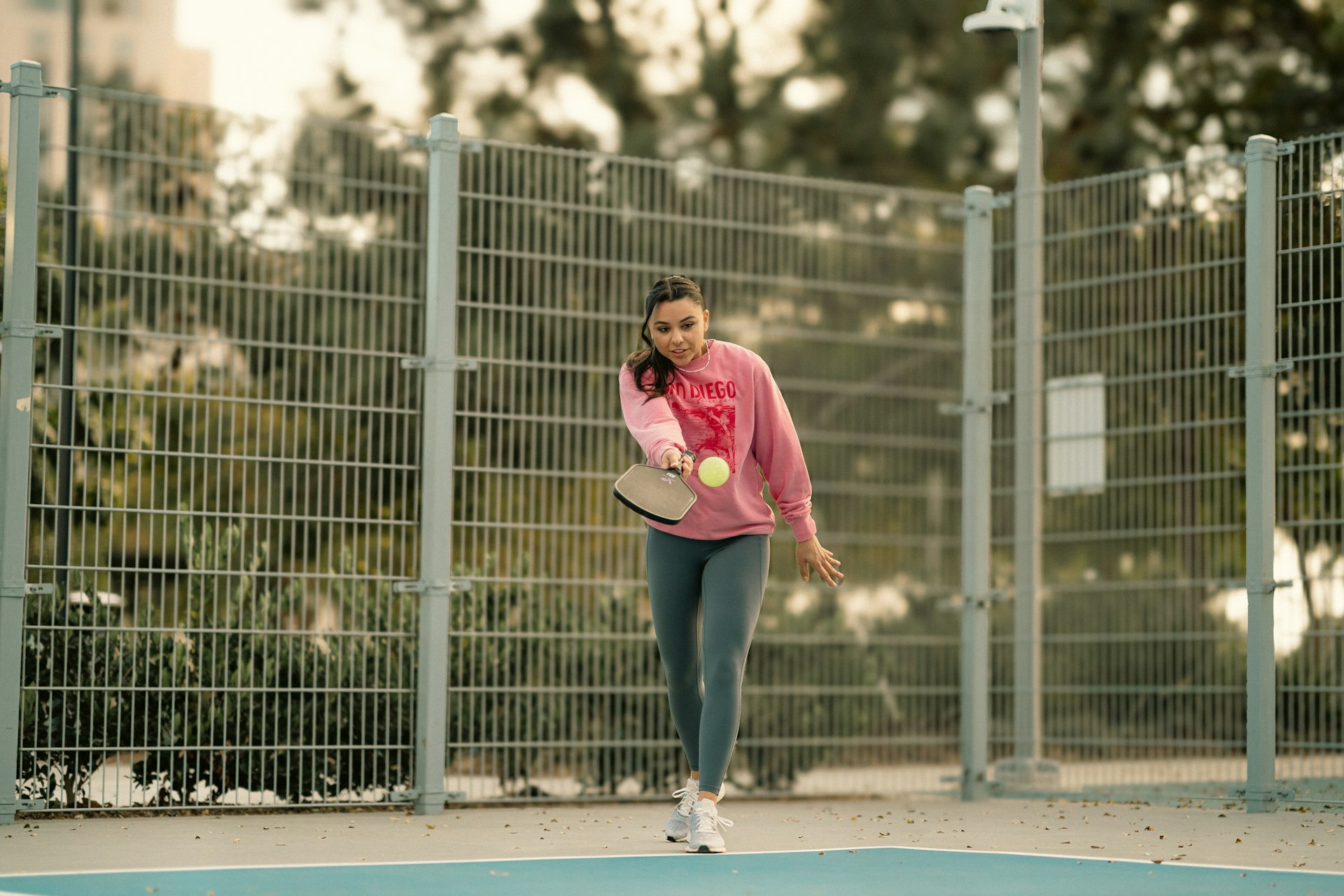
Photo by Davide Aracri on Unsplash
Goal Setting: Creating a Roadmap for Success
Goal setting is a foundational component of mental skills training. Setting clear, specific, and achievable goals provides motivation, direction, and a sense of accomplishment. Experts recommend using the SMART criteria-Specific, Measurable, Achievable, Relevant, and Time-bound-for both short-term and long-term objectives. For example, a runner might establish a long-term goal of qualifying for a national championship, then break that down into incremental targets such as improving split times or increasing weekly mileage [1] , [2] .
To implement this method:
- Write down both outcome (end result) and process (daily habits) goals.
- Review and revise goals regularly based on progress.
- Celebrate small milestones to stay motivated.
- If you need help, consider reaching out to a certified sports psychologist via professional directories or through your sports federation’s recommendations.
Visualization: Mental Rehearsal for Physical Success
Visualization , also known as mental imagery, involves creating vivid mental pictures of successful performance. Scientific studies confirm that athletes who regularly visualize themselves executing skills with precision can activate similar brain patterns as during actual physical practice, strengthening neural pathways and boosting confidence [1] , [3] . For instance, a diver might mentally rehearse the sequence of movements before a competition.
To practice visualization effectively:
- Find a quiet space, close your eyes, and imagine the entire scenario in detail, including sights, sounds, and even emotions.
- Focus on both the process (your technique) and the outcome (the successful result).
- Repeat regularly, especially before competitions or important training sessions.
- Some athletes find guided visualization recordings helpful, which can be sourced from sports psychology professionals or reputable organizations.
Self-Talk: Building Confidence from Within
How you speak to yourself can dramatically impact your performance. Positive self-talk involves replacing negative or self-critical thoughts with affirming, supportive statements. Research shows this technique enhances focus, reduces anxiety, and promotes resilience during setbacks [5] . For example, a tennis player facing a tough opponent might repeat, “I am prepared and capable. I can handle this challenge.”
To integrate positive self-talk:
- Identify common negative thought patterns that arise during training or competition.
- Develop a list of constructive alternative phrases tailored to your sport and situation.
- Practice these statements regularly, especially in high-pressure moments.
- If persistent negative thoughts interfere with performance, consider working with a licensed sports psychologist for personalized strategies.
Relaxation and Arousal Regulation: Mastering Performance Nerves
Managing arousal levels-neither too tense nor too relaxed-is critical for optimal performance. Techniques such as deep breathing, progressive muscle relaxation, and mindfulness can help athletes maintain composure under stress. For example, a golfer about to take a decisive putt might use deep, slow breaths to calm nerves and focus attention [3] . Mindfulness, in particular, helps athletes stay present and avoid distractions from past errors or future worries [4] .
To use relaxation techniques:
- Incorporate daily mindfulness or meditation sessions, starting with just five minutes.
- Practice diaphragmatic breathing: inhale slowly through the nose, hold briefly, and exhale gently.
- Apply these techniques before and during competition to regulate energy and attention.
- Many national sports bodies offer workshops or can recommend qualified practitioners-ask your coach or federation for resources.
Concentration and Focus: The Art of Playing in the Moment
Elite athletes excel at maintaining concentration despite distractions. Training your focus means learning what to attend to during competition, how to tune out irrelevant stimuli, and how to quickly regain focus after errors. Techniques like cue words (“focus,” “breathe,” or a personalized phrase) and pre-performance routines help anchor attention to the present task [5] .
Build your focus by:
- Practicing single-task exercises (e.g., focusing on the sound of your breath or a specific movement).
- Developing pre-performance routines that signal the mind and body to prepare for action.
- Reviewing performance videos to identify moments where focus wavered and planning strategies to address them.
- Seeking advice from experienced coaches or mentors who can offer objective feedback.
Emotional Regulation: Turning Feelings into Fuel
Sport evokes powerful emotions, from elation to disappointment. Successful athletes accept emotions as part of the experience and learn to channel them productively. This might mean using excitement for energy or reframing frustration as motivation to improve. Emotional intelligence-recognizing, understanding, and managing emotions-can be developed through self-reflection, journaling, or support from mental health professionals [4] .
To build emotional regulation skills:
- Keep a performance journal to track emotional states and identify patterns.
- Practice perspective-taking: ask yourself how you might reinterpret setbacks as learning opportunities.
- Engage in regular debriefs with coaches or peers to discuss emotional responses and coping strategies.
- Consider group workshops in emotional intelligence, which may be available through your sports organization or local universities.
Accessing Sports Psychology Resources and Professional Support
Sports psychology services are available through several pathways:
- Certified Sports Psychologists: Most national and regional psychology associations maintain directories of licensed professionals. You can search for “certified sports psychologist” along with your location or visit the Association for Applied Sport Psychology for resources.
- University Programs: Many university athletic departments offer access to sports psychology services for student-athletes. Contact your institution’s counseling or athletic department to inquire about offerings.
- Workshops and Online Training: Reputable organizations such as the Association for Applied Sport Psychology and the American Psychological Association publish articles, host webinars, and offer workshops on mental skills training. To access these, search for the organization name and “sports psychology resources.”
- Books and Self-Help Materials: Many evidence-based books and guided workbooks cover sports psychology fundamentals. Look for works authored by credentialed professionals with positive reviews and recent publication dates.
- Local Coaches and Federations: Some sports clubs and federations provide in-house mental skills coaches. Ask your coach or team administrator about available resources or referrals.
When searching for a professional, verify their credentials (such as a license in psychology or certification in sports psychology) and check for membership in reputable organizations. If you’re unsure where to start, ask your primary care provider, coach, or local university for recommendations.
Potential Challenges and Solutions
Implementing sports psychology techniques can be challenging. Common barriers include skepticism about mental training, time constraints, and difficulty sustaining new habits. To overcome these:
- Start small, integrating one technique at a time.
- Track your progress and reflect regularly on improvements.
- Seek support from teammates, coaches, or online communities focused on mental skills.
- Remember, mental training is an ongoing process-adjust and adapt as your needs evolve.
Alternative Approaches and Additional Strategies
While the core techniques outlined above are widely supported, athletes may benefit from complementary approaches such as biofeedback, neurofeedback, and motivational interviewing. These methods are best pursued with the guidance of trained professionals. New research continues to emerge in the field, so staying informed through academic journals and reputable organizations is recommended.
Key Takeaways
Sports psychology offers proven, practical strategies for performance enhancement. By setting clear goals, practicing visualization and self-talk, managing emotions and arousal, and developing focus, athletes can unlock their full potential. If you’re interested in professional support, contact certified sports psychologists through official associations, inquire with your athletic department, or consult trusted coaches for referrals. Continuous learning and regular practice are key to sustained improvement.
References
- [1] The Mental Game (2023). Introduction to Psychological Techniques Used in Sports Performance Enhancement.
- [2] Dr. Dev Roy (2023). 10 Effective Mental Strategies for Performance Enhancement.
- [3] International Journal of Environmental Research and Public Health (2023). Sport Psychology Interventions for Athletes’ Performance and Well-Being.
- [4] Association for Applied Sport Psychology (2007). Signature Sport Psychology Techniques That Link Theory to Practice.
- [5] SportPsych.org (2023). The Nine Mental Skills of Successful Athletes.