Winning Recovery: Effective Nutrition Strategies for Athletes

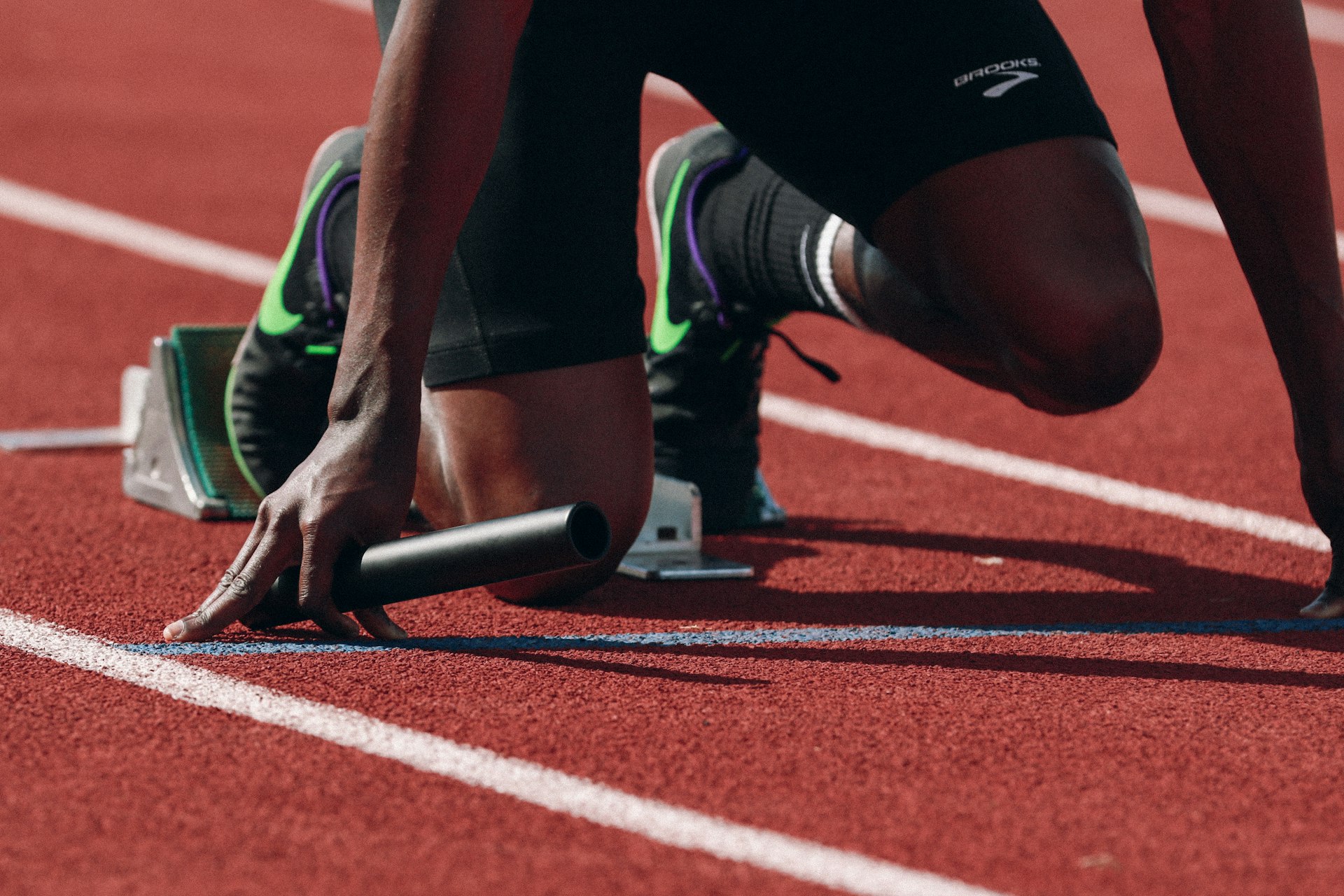
Photo by TVBEATS on Unsplash
Introduction: The Importance of Nutrition in Athletic Recovery
For athletes, recovery is much more than rest-it’s a strategic process that determines both short-term performance and long-term health. Nutrition plays a central role in this process, impacting everything from muscle repair to immune function and readiness for the next competition. By understanding and applying evidence-based nutrition strategies, athletes can accelerate recovery, reduce injury risk, and maximize gains from training [1] . This article offers a comprehensive, actionable guide to optimizing recovery through nutrition, drawing from current research and expert recommendations.
Energy Balance: The Foundation of Recovery
Effective recovery starts with maintaining an energy balance -the equilibrium between calories consumed and calories burned. Athletes with insufficient calorie intake risk low energy availability, which impairs muscle repair, reduces immune function, and can disrupt hormonal health [1] .
Action Steps:
- Calculate your daily calorie needs based on activity level, training frequency, and body composition goals. Many sports dietitians or online calculators can help estimate these numbers.
- Monitor weight, performance, and recovery markers regularly. Unintended weight loss or persistent fatigue may indicate inadequate energy intake.
Example: A collegiate swimmer increased daily calories during peak training season and reported faster muscle recovery and improved mood.
Potential Challenges: Appetite may decrease after intense workouts. To overcome this, prioritize calorie-dense, nutrient-rich foods and schedule meals/snacks strategically.
Macronutrients: Replenish, Repair, and Rehydrate
Carbohydrates: Refueling Glycogen Stores
Carbohydrates are essential for restoring muscle glycogen-your body’s primary energy reserve for high-intensity activity. Post-exercise, aim to consume approximately 0.5 grams of carbohydrate per pound of body weight within two hours to maximize recovery [2] .
Implementation: After training, choose easily digestible carbs like fruit, rice, potatoes, or whole-grain bread. Pairing carbs with protein can further enhance recovery.
Example: Basketball players who consumed a banana and a glass of chocolate milk post-game were able to replenish energy stores more effectively for back-to-back games.
Protein: Muscle Repair and Growth
Physical activity breaks down muscle tissue, necessitating protein intake for repair and growth. Consuming high-quality protein (20-40g) within two hours post-exercise, and at each meal, supports muscle protein synthesis [2] [4] .
Steps:
- Incorporate lean meats, dairy, eggs, or plant-based proteins (tofu, lentils) into meals and snacks.
- If whole foods are not feasible, consider an NSF-certified protein powder, paired with carbs for optimal effect.
Alternative: Some athletes with dietary restrictions may use soy or pea protein, ensuring they meet total daily protein needs.

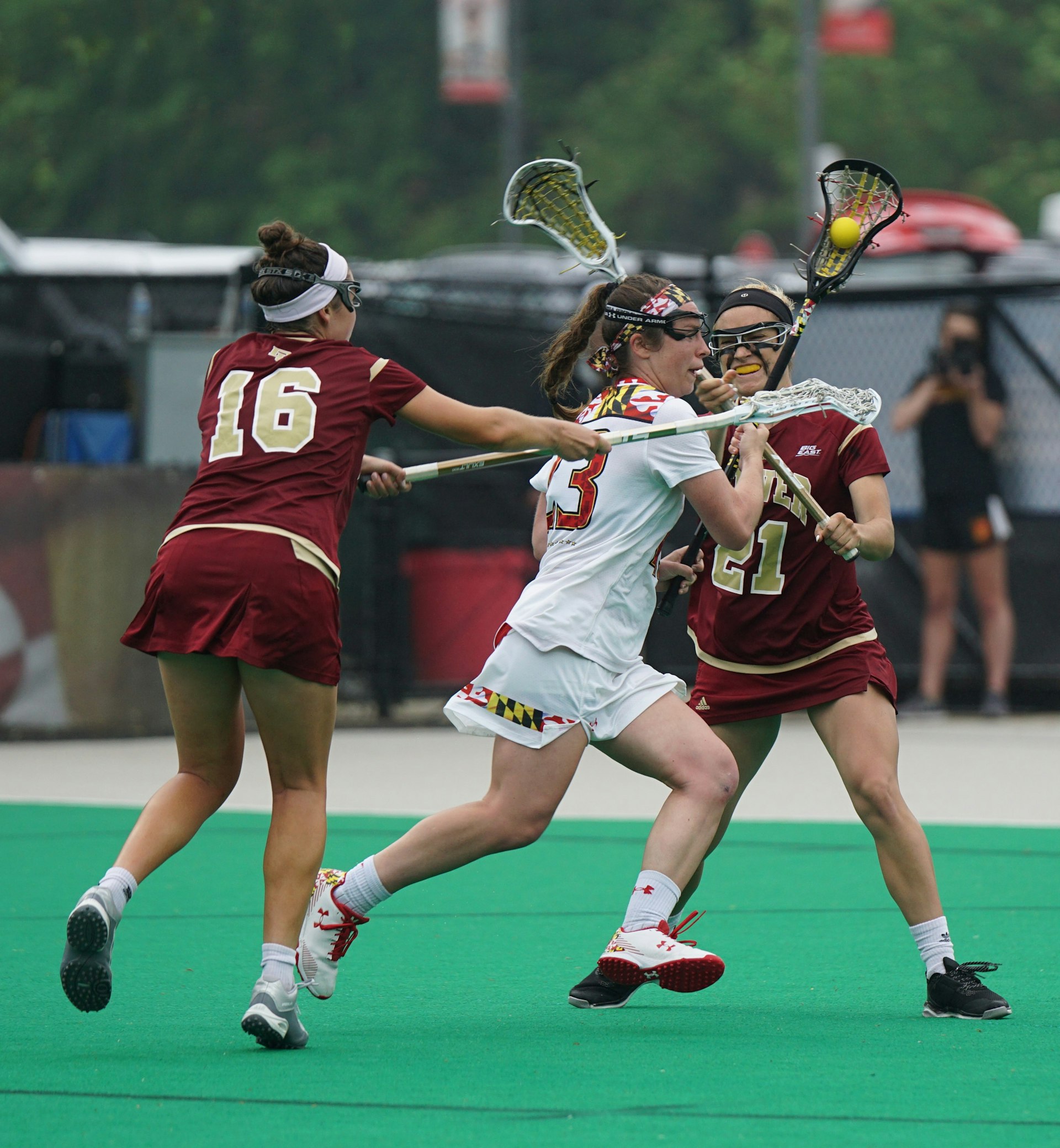
Photo by Lawrence Crayton on Unsplash
Hydration: Rehydration for Performance
Intense exercise leads to fluid and electrolyte loss, which can impair recovery. Athletes should rehydrate with water and electrolytes (sodium, potassium, chloride) until body weight and urine color return to normal [2] [4] .
Guidance:
- Weigh yourself before and after activity to estimate fluid loss (1 lb lost ≈ 16 oz water).
- Drink water or a sports beverage, especially in hot climates or after prolonged exercise.
- Consume foods rich in electrolytes, such as bananas (potassium) or lightly salted nuts (sodium).
Potential Issue: Overhydration without electrolyte replacement can lead to hyponatremia; balance fluids and electrolytes carefully.
Micronutrients and Antioxidants: Supporting Recovery at the Cellular Level
Vitamins and minerals are critical for tissue repair, immune health, and metabolic processes. Some, like vitamin D and omega-3 fatty acids, have demonstrated benefits in supporting muscle function and reducing inflammation [3] [5] . Antioxidants from whole foods (fruits, vegetables) help combat exercise-induced oxidative stress.
Implementation Steps:
- Eat a variety of colorful fruits and vegetables daily to ensure a broad spectrum of antioxidants and micronutrients.
- Consider a vitamin D supplement if you have limited sun exposure, after consulting with a healthcare professional.
- Include sources of omega-3s, such as fatty fish (salmon, sardines), walnuts, and flaxseeds.
Alternative Approaches: For those with dietary restrictions, fortified foods or specific supplements may help bridge gaps. However, whole foods are generally preferred for their balanced nutrient profiles [3] .
Timing and Nutrient Distribution: Maximizing Recovery Windows
When you eat can be as important as what you eat. The period immediately after exercise (within two hours) is particularly sensitive for nutrient uptake-often called the “anabolic window.” Strategic meal and snack timing can significantly impact recovery and training adaptation [1] .
Guidance:
- Plan meals and snacks so that protein and carbohydrates are consumed soon after training.
- Distribute protein evenly across meals to maximize muscle protein synthesis.
- For late-night training, a pre-sleep snack with casein protein may support overnight recovery [4] .
Example: A soccer player who ate a protein-rich snack before bed experienced less soreness and improved muscle repair compared to periods without nighttime nutrition.
Supplements: Evidence-Based Support
Some supplements can support recovery when used appropriately. Research supports creatine monohydrate for muscle repair, omega-3 fatty acids for reducing inflammation, and vitamin D for muscle and bone health [3] .
Key Considerations:
- Consult with a sports dietitian or healthcare provider before starting any supplement.
- Choose NSF-certified or Informed-Sport-certified supplements to reduce contamination risk.
- Supplements should never replace a balanced diet but may help fill specific gaps.
Potential Challenges: Not all supplements have proven efficacy, and some may interact with medications or have side effects. Professional guidance is essential.
Integrative Approach: 4R’s of Recovery
Experts recommend the “4R’s” framework for recovery: Rehydrate, Refuel, Repair, and Rest [4] . This approach emphasizes hydration, carbohydrate and protein intake, and adequate rest (including sleep and stress management) as the pillars of post-exercise recovery.
Practical Steps:
- Track fluid intake and monitor urine color to guide hydration.
- Prepare balanced meals and snacks in advance to ensure timely refueling.
- Prioritize sleep and relaxation techniques to complement nutritional strategies.
Alternative Strategies: For athletes with busy schedules or frequent travel, portable snacks (trail mix, protein bars) and insulated water bottles can help maintain nutrition routines.
Accessing Expert Guidance and Resources
For personalized nutrition strategies, athletes can:
- Contact a registered dietitian specializing in sports nutrition. Many are available through sports medicine clinics, universities, or professional organizations.
- Search for “certified sports dietitian near me” or visit the Academy of Nutrition and Dietetics website for a directory of credentialed professionals.
- Consult with team trainers or medical staff about available services within your athletic program. Some organizations provide onsite nutrition counseling for athletes.
If seeking information online, prioritize resources from established sports medicine centers, academic institutions, or government health agencies. Be wary of advice from unverified or non-credentialed sources.
Summary: Building Your Personalized Recovery Plan
Optimizing recovery through nutrition is an ongoing process that requires attention to energy intake, macronutrient balance, hydration, micronutrient sufficiency, timing, and-when appropriate-supplementation. By implementing these strategies and seeking expert guidance as needed, athletes can enhance performance, reduce injury risk, and support overall well-being. Adapt your plan to your sport, goals, and individual needs for the best results.
References
- [1] National Academy of Sports Medicine (2022). Nutrition for Muscle Repair and Recovery.
- [2] Memorial Hermann Rockets Sports Medicine Institute (2023). Nutrition Tips for Recovery.
- [3] Heaton LE et al. (2017). Selected In-Season Nutritional Strategies to Enhance Recovery for Team Sport Athletes.
- [4] Bonilla DA et al. (2020). The 4R’s Framework of Nutritional Strategies for Post-Exercise Recovery.
- [5] Ihsan F et al. (2024). Nutritional Strategies for Rapid Recovery in Sport.