Unlocking Athletic Potential: How Mindfulness Sharpens Focus and Elevates Performance

Photo by Junior REIS on Unsplash
Introduction: The Mind-Body Edge in Modern Athletics
Elite performance in sports is not just about physical training-it’s about mastering the mental game. Mindfulness , the art of being present and aware without judgment, is revolutionizing how athletes focus, handle pressure, and recover from setbacks. By understanding and applying mindfulness, athletes of all levels can unlock new levels of concentration, resilience, and peak performance. This article explores the science, practical steps, and real-world benefits of mindfulness for enhancing athletic focus and success.
What Is Mindfulness and Why Does It Matter in Sports?
Mindfulness is the practice of maintaining a moment-to-moment awareness of thoughts, feelings, bodily sensations, and the surrounding environment. For athletes, this means focusing on each play, movement, or breath-free from distractions, self-judgment, or anxiety about outcomes. By fostering present-moment focus, mindfulness helps athletes tune into the cues that matter most during competition and training.
[2]

Photo by Michał Parzuchowski on Unsplash
The Evidence: How Mindfulness Improves Athletic Focus and Performance
Multiple scientific studies and meta-analyses have shown that mindfulness training can directly enhance various aspects of athletic performance. Research highlights the following key benefits:
-
Enhanced Focus:
Athletes practicing mindfulness report improved concentration during both training and competition, leading to better execution of plays and strategies.
[2]
-
Reduced Anxiety and Stress:
Mindfulness-based interventions (MBIs) consistently help lower performance anxiety and perceived stress, leading to greater composure under pressure.
[4]
-
Increased Resilience:
Athletes develop better coping skills, emotional regulation, and the ability to bounce back from errors or setbacks.
[1]
-
Improved Recovery:
Mindfulness supports the mental and emotional aspects of injury recovery, helping athletes maintain motivation and a positive mindset.
[3]
-
Greater Flow State:
Practicing mindfulness increases the likelihood of experiencing ‘flow’-the optimal state of consciousness for peak performance.
[4]
For example, a randomized controlled trial found that athletes who underwent a five-week mindfulness program improved both their endurance and accuracy in cognitive tasks, with measurable benefits for focus and stress reduction.
[1]
How to Start Mindfulness Training for Athletic Focus
Implementing mindfulness does not require extensive time or resources, but consistency is key. Here is a step-by-step guide for athletes looking to begin:
- Set Clear Intentions: Identify specific areas where focus, composure, or recovery is needed most. This clarity helps target your mindfulness practice.
-
Begin with Breath Awareness:
Start each practice by sitting quietly and focusing on your breath for 3-5 minutes. Notice sensations, thoughts, and distractions, and gently bring attention back to breathing.
[5]
- Incorporate Body Scans: Progress to guided body scans, bringing awareness to each body part and noting areas of tension or comfort.
- Practice Mindful Movement: Apply mindfulness during warm-ups, stretching, or drills-focus on each movement, sensation, and breath.
- Use Guided Meditation Apps or Recordings: Many athletes benefit from guided mindfulness sessions. While several reputable apps exist, always ensure the source is credible and aligns with your privacy standards.
- Reflect and Track Progress: Keep a journal of experiences, noting improvements in focus, mood, and performance. Adjust practices as needed for your sport and schedule.
Common Challenges and Solutions
Like any skill, mindfulness takes time to develop. Athletes may face obstacles such as:
- Initial Discomfort or Restlessness: It is normal to feel distracted or impatient at first. Start with short sessions and gradually increase duration.
- Lack of Immediate Results: Benefits often become evident after several weeks of consistent practice. Set realistic expectations and celebrate small improvements.
- Difficulty Integrating into Routines: Tie mindfulness to existing habits-such as pre-practice warm-ups or post-training cooldowns-to ensure consistency.
Coaches and sports psychologists can play a vital role in supporting athletes’ mindfulness journeys. Consider discussing your goals with trusted mentors or seeking out professionals with experience in sports mental training.
Case Studies: Mindfulness in Action
Numerous collegiate and professional teams have integrated mindfulness programs with measurable results. For example, NCAA basketball players participating in mindfulness-based stress reduction reported lower anxiety, better coping skills, and improved performance under pressure.
[2]
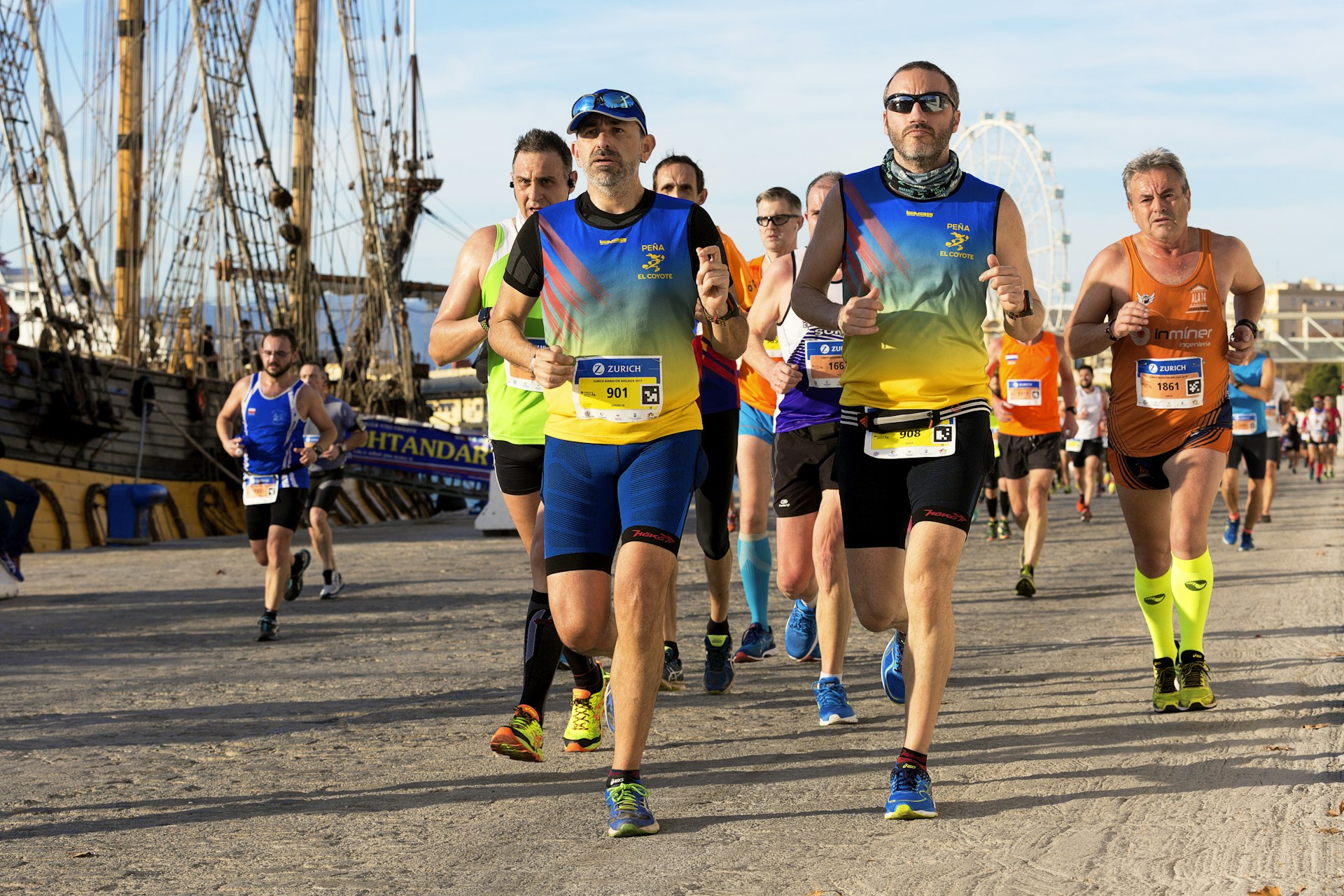
Endurance athletes, such as rowers and runners, have demonstrated longer times to exhaustion and greater accuracy on cognitive tasks after adopting regular mindfulness training.
[1]
Student-athletes report feeling more ‘in the zone’ and resilient against distractions, with mindfulness helping them transition more smoothly between training, competition, and academic demands.
[3]
Alternative Approaches and Supplementary Practices
For athletes who find traditional mindfulness meditation challenging, alternative methods can also build focus and self-awareness:
- Yoga and Tai Chi: These practices combine movement with breath and present-moment focus, providing physical and mental benefits.
- Visualization: Guided imagery and mental rehearsal help athletes prepare mentally for competition.
- Mindful Journaling: Writing about experiences, setbacks, and successes enhances self-awareness and emotional regulation.
These methods can be used alongside mindfulness meditation or as standalone practices based on individual preference and sport-specific demands.
How to Find Mindfulness Resources and Professional Support
Athletes interested in mindfulness training have several avenues to explore:
- Contact your school’s or club’s sports psychology department for recommendations on certified mindfulness instructors or workshops.
- Search for “Mindfulness-Based Stress Reduction (MBSR)” or “Mindfulness-Acceptance-Commitment (MAC)” programs in your area. These evidence-based courses are often available through universities, hospitals, or community wellness centers.
- Consult with certified mental performance coaches. For example, organizations such as the Association for Applied Sport Psychology (AASP) maintain directories of qualified providers.
- Use reputable meditation and mindfulness apps, but always verify privacy practices and scientific credibility before use.
Key Takeaways: Integrating Mindfulness for Lasting Athletic Success
Mindfulness is not a quick fix, but a powerful tool for long-term athletic and personal growth. Consistent practice can help athletes of all levels:
- Sharpen focus and eliminate distractions
- Reduce stress and anxiety
- Build resilience and emotional control
- Enhance recovery and adaptability
- Achieve more frequent flow states for peak performance
To get started, athletes can begin with a few minutes of daily mindful breathing, gradually expanding their practice and seeking support from coaches, mental performance specialists, or credible community resources. Over time, mindfulness can become a cornerstone of both athletic training and lifelong well-being.
References
- Nien, J.T. et al. (2020). Mindfulness Training Enhances Endurance Performance and Cognitive Function in Athletes.
- Jones, B.J. et al. (2020). Mindfulness-Based Stress Reduction Benefits Psychological Well-Being and Athletic Performance.
- NCSA Sports (n.d.). The Benefits of Mindfulness for Student-Athletes.
- Wang, Y. et al. (2023). Effects of Mindfulness-Based Interventions on Promoting Mental Health and Performance in Athletes.
- IMG Academy (n.d.). Meditation for Athletes: How to Begin Enhancing Focus.