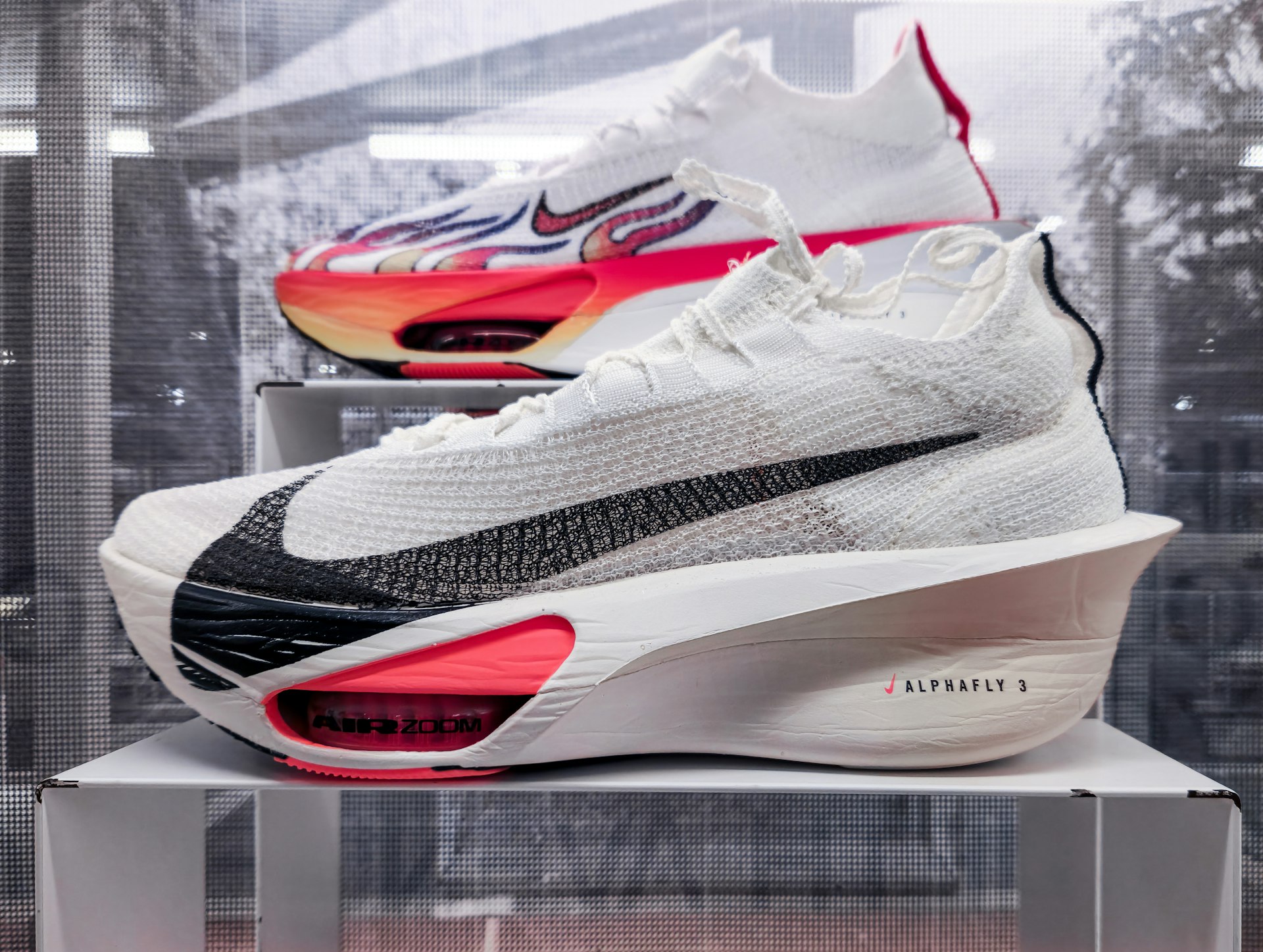
The Critical Role of Sleep in Optimizing Athletic Performance

Photo by Gabriel Martin on Unsplash
Why Sleep is Essential for Peak Athletic Performance
Sleep plays a foundational role in athletic performance by facilitating muscle repair, hormone regulation, and cognitive function. During deep sleep stages, the body releases growth hormone, which is crucial for tissue recovery and adaptation to training stress. [6] Athletes who prioritize 9-10 hours of sleep nightly often experience measurable improvements in speed, accuracy, and endurance. For instance, a Stanford study on basketball players showed that extending sleep to 10 hours led to 9% better free-throw and three-point accuracy, faster sprint times, and enhanced mood. [3] This underscores sleep as a non-negotiable element of training regimens, directly influencing neuromuscular coordination and overall output.
In contrast, sleep deprivation impairs multiple performance domains. Meta-analyses reveal significant declines in aerobic endurance (SMD = −0.66 for athletes), muscle force, speed, and skill control following sleep loss. [1] These effects are exacerbated in partial sleep deprivation (PSDE), with afternoon tests showing even greater deficits (SMD = −1.4). Athletes face unique vulnerabilities from travel, competition stress, and intense schedules, amplifying risks of injury and delayed recovery. [1]
Key Performance Areas Impacted by Sleep
Sleep directly affects speed, power, and endurance. Submaximal prolonged tasks suffer more than maximal efforts after partial sleep loss, with studies noting slower sprint times and reduced bench press performance. [2] Swimmers extending sleep to 10 hours improved reaction times off blocks by 17%, turn efficiency, and 15-meter sprint speeds, alongside reduced fatigue. [3] Tennis players gaining an extra hour of sleep boosted serve accuracy from 36% to 42%. [4]
Accuracy and reaction times decline sharply without adequate rest. Sleep-deprived team-sport athletes showed decreased sprint times, while tennis players’ serve accuracy dropped up to 53%. [3] Basketball players missing sleep experienced 50% accuracy drops in free throws, reversible with 10+ hours of sleep yielding 10% gains-a potential 60% swing. [5] Endurance suffers too, with sleep loss decreasing time to exhaustion by up to 10% (about 37 seconds in cyclists), increasing perceived exertion, and hastening fatigue. [4]
Cognitive and Recovery Benefits of Quality Sleep
Beyond physical metrics, sleep enhances cognitive functions critical for sports. It supports motor memory consolidation, decision-making, and coordination-skills honed in practice but solidified overnight. Nine to 10 hours aids muscle memory retention, preventing skill degradation. [4] Naps following partial deprivation (e.g., 30 minutes) improve sprint performance, alertness, and cognitive tasks. [2]
Recovery is amplified during sleep, with deep stages optimizing muscle repair-ideally 50% of sleep time. [6] Sleep extension studies confirm benefits: basketball players reported higher vigor and lower fatigue after extra rest. [2] Conversely, deprivation disrupts glucose metabolism, appetite regulation, and protein synthesis, compounding metabolic stress. [2]
Practical Strategies to Enhance Sleep for Athletes
To leverage sleep’s role, aim for consistent 9-10 hours nightly. Establish a wind-down routine: dim lights 1-2 hours before bed, avoid screens, and maintain cool, dark environments. Track sleep with wearables to identify patterns. For travel across time zones, prioritize naps and align schedules gradually. Coaches can integrate sleep education, as the NCAA now includes sleep screening for insomnia and apnea. [5]
Step-by-step implementation: 1) Calculate needs based on sport-endurance athletes may require more. 2) Set fixed bed/wake times, even post-competition. 3) Optimize pre-bed habits: light dinner, no caffeine after noon. 4) Use naps strategically (20-30 minutes early afternoon) if full nights fall short. [2] 5) Monitor recovery via mood logs and performance metrics. Challenges like irregular schedules can be mitigated by team naps or recovery days. Alternatives include sleep hygiene apps or consulting sports medicine specialists for personalized plans.
Real-World Examples and Case Studies
Stanford’s basketball cohort exemplifies benefits: after two weeks of 10-hour sleep, sprints quickened, shooting rose 9%, and well-being improved-translating to game advantages. [3] Swimmers mirrored this with faster starts and strokes. Teen athletes, per Children’s Hospital data, risk amplified deficits; one study equated sleep loss to 37-second endurance drops, potentially worse for developing bodies. [4]
Elite cyclists and team-sport players highlight risks: sleep deprivation slashed speeds and exhaustion thresholds. [1] These cases show sleep as a performance multiplier, with extension yielding outsized gains over deprivation losses.
Overcoming Common Sleep Challenges in Sports
Athletes often battle pre-competition anxiety or jet lag. Solutions include progressive muscle relaxation or melatonin (under medical guidance). High training loads increase injury risk sans sleep; prioritize recovery windows. Non-athletes show similar but less pronounced effects, affirming sleep’s universal role. [1] Track progress weekly: if accuracy or speed plateaus, audit sleep first.

Photo by Julia Kuzenkov on Unsplash
Long-Term Impact on Career Success
Consistent sleep hygiene builds resiliency, reducing burnout and extending careers. Integrating naps, extension periods, and monitoring sustains edges. Research consistently links sleep optimization to superior outcomes across sports. [3]
References
[1] Frontiers in Physiology (2025). Effects of sleep deprivation on sports performance. [2] Gatorade Sports Science Institute. Sleep and Athletes. [3] Sleep Foundation. Sleep, Athletic Performance, and Recovery. [4] Children’s Hospital Colorado (Recent). Sleep and teen athletes. [5] Mayo Clinic Health System. Sleep and athletic performance. [6] Mass General Brigham. How Does Sleep Affect Athletic Performance?