Sports Science Innovations Shaping the Future of Athletes in 2026

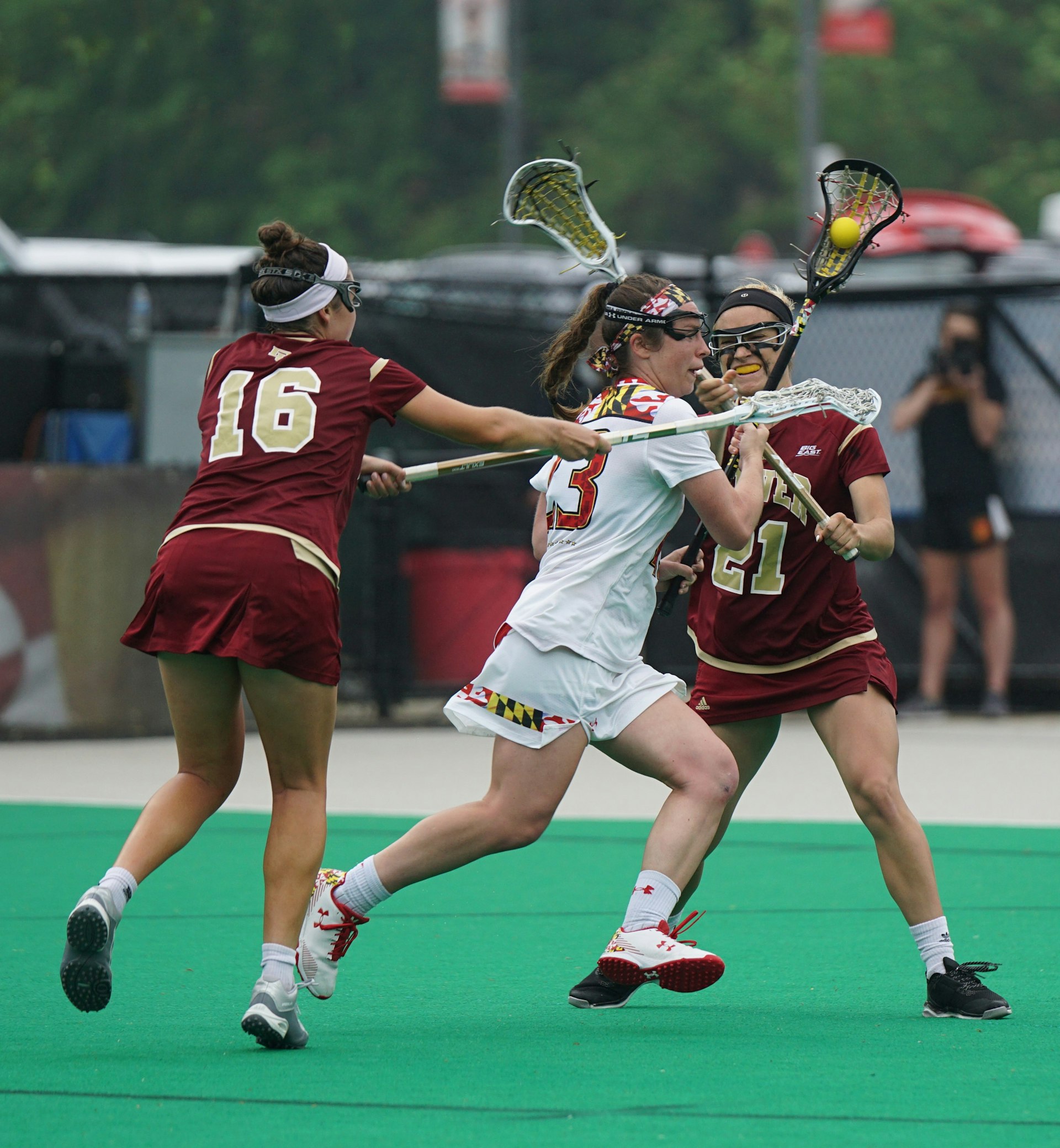
Photo by Jacob McGowin on Unsplash
Introduction to Sports Science Innovations
Sports science is undergoing a profound transformation, driven by technologies that personalize training, predict injuries, and optimize nutrition for athletes at all levels. In 2026, innovations such as AI-powered analytics, sophisticated wearables, and biometric feedback are reshaping how athletes train, compete, and recover. These advancements move beyond generic approaches, offering hyper-personalized strategies that enhance performance while minimizing risks. For instance, AI systems now analyze biometric data in real time to tailor regimens, while wearables track everything from hydration to metabolic health. [1] [2] This article explores key innovations, their applications, and practical steps for athletes and coaches to leverage them effectively.
AI-Powered Personalized Training and Recovery
Hyper-personalized athlete training represents a cornerstone of modern sports science. AI algorithms process vast amounts of biometric data from wearables to create custom regimens that account for an individual’s acceleration, fatigue levels, and recovery needs. Companies like Catapult Sports lead this space, using AI to monitor player load and predict overtraining risks in real time. Coaches can adjust drills instantly if data indicates overexertion, preventing burnout before symptoms appear. [1] For example, AI might recommend specific exercises, nutrition tweaks, or sleep adjustments to maintain peak condition.

Photo by A l v i r a .E. on Unsplash
To implement this, athletes should start by selecting a compatible wearable device that integrates with AI platforms. Step one: Pair the device with an app like those from Catapult or similar systems. Step two: Input baseline data such as age, sport, and goals. Step three: Review weekly reports for personalized plans, adjusting based on feedback. Challenges include data overload; solutions involve focusing on key metrics like heart rate variability and sleep quality. Alternatives for budget-conscious users include free apps that use smartphone sensors for basic AI insights. Real-world impact is evident in professional leagues, where such systems have optimized training for sustained performance. [1]
Recovery optimization extends this further. AI analyzes movement patterns to detect imbalances, flagging risks for injuries like ACL tears. Athletes using these tools report faster return-to-play times, with some soccer clubs noting over 60% injury reductions. [1] Key takeaway: Consistent data logging yields the best results, empowering proactive management.
AI-Driven Injury Prevention Strategies
Injury prevention has shifted from reactive to predictive through AI. Platforms like Zone7 process millions of hours of data-including training loads, sleep, and biomechanics-to identify early warning signs. This allows medical teams to intervene with rest or therapy, keeping athletes on the field. The NFL’s Digital Athlete, powered by AWS, simulates plays to assess concussion risks, demonstrating tangible benefits. [1]
Athletes can adopt this by integrating predictive tools into routines. Step one: Choose a platform with historical data analysis, such as those offering weekly risk scores. Step two: Track daily metrics via wearables. Step three: Act on alerts, like reducing intensity if risk exceeds 20%. Potential challenges include integration with team protocols; solutions involve coach buy-in through shared dashboards. For amateurs, open-source AI models provide accessible entry points. Case studies from soccer clubs show dramatic reductions in downtime, underscoring the value for long-term careers. [1]
Biomechanical analysis adds depth, using computer vision to spot form issues. This innovation ensures athletes train smarter, not harder, fostering resilience across sports.
Advanced Wearable Technology and Biometric Monitoring
Wearable technology dominates 2026 fitness trends, topping lists for three years running. Devices now go beyond steps and heart rate, offering insights into hydration, sweat composition, and metabolic health. The Nix Hydration Biosensor analyzes sweat for fluid and sodium loss, enabling mid-training adjustments. Gatorade’s Gx Sweat Patch provides personalized fluid recommendations based on real-time data. [3] [6] [2]
Implementation steps: Select a device matching your sport, such as endurance-focused sensors. Calibrate during a baseline workout, then monitor sessions. Adjust intake based on alerts-for instance, increase electrolytes if depletion is detected. Challenges like device accuracy can be mitigated by cross-referencing with lab tests. Alternatives include patch-based systems for non-wearable preferences. Pole vaulter Mondo Duplantis exemplifies integration, using advanced shoe tech alongside wearables for record-breaking feats. [2]
Continuous glucose monitoring (CGM) devices like Supersapiens link meals to energy levels, syncing with circadian rhythms. This biometric feedback reduces guesswork, promoting sustained performance. [3]
Precision Nutrition and AI-Driven Diets
Sports nutrition evolves with AI meal recommendations that integrate wearable data for dynamic adjustments. Platforms like Lumen, Whoop, and Nutrino suggest meals based on training load, sleep, and recovery. Wearables track nutrient status via sweat and saliva, identifying deficiencies on the fly. [3] Nighttime shakes with slow-digesting proteins support overnight recovery.
To apply: Link wearables to nutrition apps. Log workouts and receive tailored plans, such as post-training glycogen replenishment. Challenges include dietary restrictions; solutions involve app customizations. Amateur athletes can use free tiers for basic personalization. Trends indicate DNA and microbiome insights will further refine these systems, enhancing longevity. [3]
Talent Identification, Scouting, and Research Hubs
AI automates scouting via platforms like AiSCOUT, analyzing drills worldwide to spot talent objectively. This democratizes access for remote athletes. [1] Research hubs like ASICS Institute of Sport Science (ISS) integrate AI for biomechanics and predictive analytics, launching U.S. facilities in 2025. [5]
Steps for aspiring athletes: Film drills and upload to AI platforms. Review feedback on agility and power. Coaches can scout via data shortlists. Challenges: Tech access; solutions: Community programs. These tools unearth hidden potential efficiently.
Real-Time Analytics and Emerging Trends
Real-time strategy via Opta Vision predicts pass success and formations. AI trends for 2026 emphasize quality over access, with practitioners differentiating through sophisticated use. [1] [4] GSSI innovations like Smart Gx Bottle enhance hydration. [6]
Athletes benefit by adopting team-integrated systems, starting with personal analytics apps. Future-proofing involves staying updated via industry reports.
Conclusion: Embracing the Future
These innovations collectively shape superior athletes, from pros to amateurs. By adopting them systematically, users gain edges in performance and health. Stay informed through reputable sources to maximize benefits.
References
[1] AI World Today (2026). Top 10 AI Innovations Reshaping Sports.
[2] Science for Sport (2026). 2026 Fitness Trends.
[3] Food Navigator (2025). Sports Nutrition 2026: Six Game-Changing Trends.
[4] Global Performance Insights (2025). 5 Sports Science Trends for 2026.
[5] ASICS (2025). ASICS Launches First U.S. Research Hub.
[6] PepsiCo (2026). Gatorade Sports Science Institute Innovations.