Sports Science Applications in Team Sports: Revolutionizing Performance and Injury Prevention

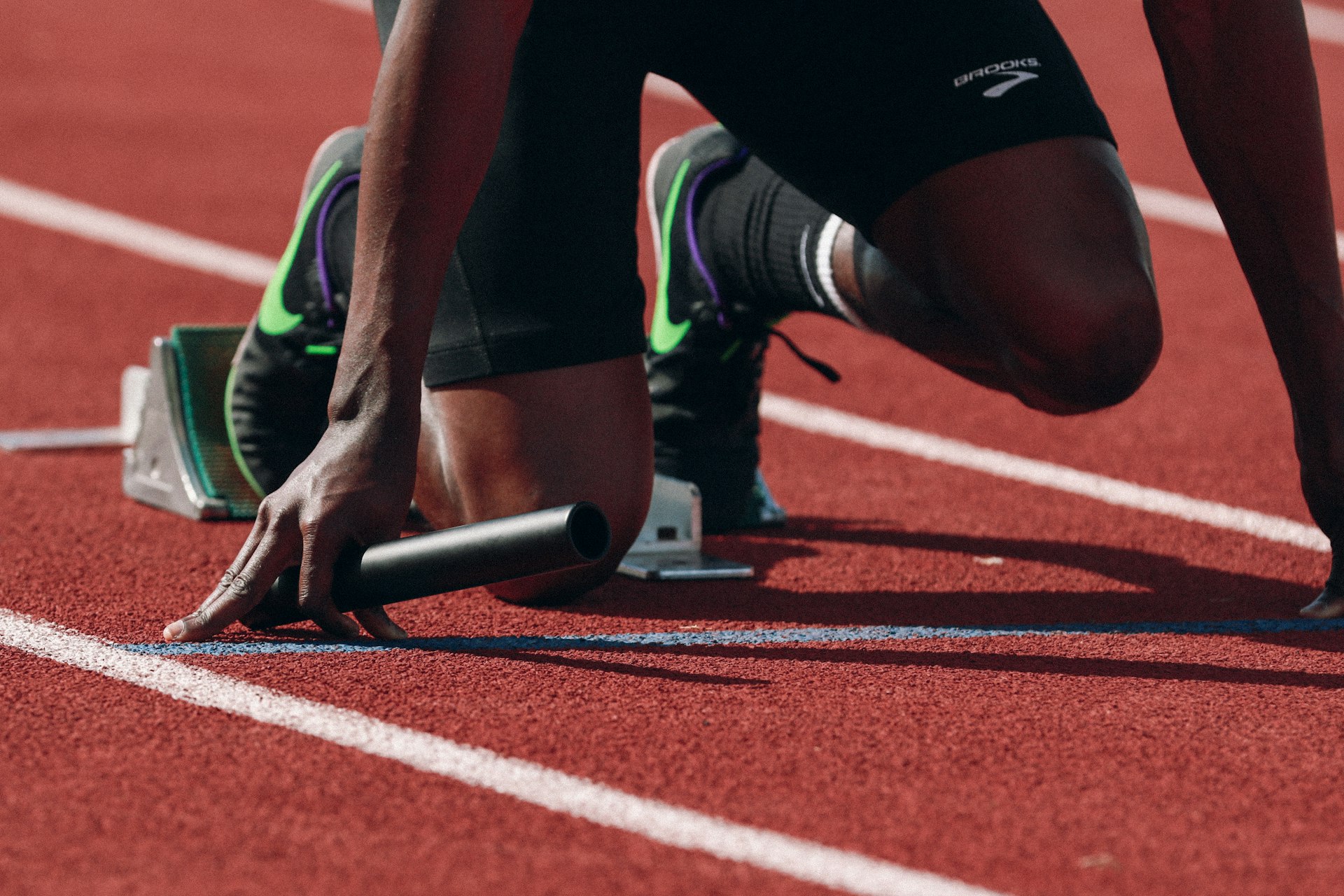
Photo by Emily Irene Photo Co. on Unsplash
Introduction to Sports Science in Team Sports
Sports science applications in team sports integrate advanced technologies and data analytics to optimize athlete performance, manage training loads, and minimize injury risks. These tools empower coaches and scientists to make evidence-based decisions in dynamic environments like soccer, basketball, and rugby. By combining wearable devices, AI algorithms, and performance tracking systems, teams achieve personalized training programs that enhance both individual and collective outcomes
[1]
. This approach addresses the complexities of team dynamics, where positional roles and match demands vary significantly.
Practical implementation begins with understanding athlete demands during games and practices. For instance, quantifying energy system contributions allows coaches to tailor sessions that mimic competition intensities without excessive fatigue. This foundational step ensures sustainability throughout a season, promoting long-term player development
[2]
.
AI Advancements in Training Load Management and Injury Prevention
Artificial Intelligence (AI) revolutionizes training load management by analyzing vast datasets from wearables to predict overtraining risks. In team sports, AI processes real-time physiological data, such as heart rate variability and acceleration metrics, to optimize recovery protocols. Sports scientists use predictive modeling to adjust loads, preventing injuries that often arise from acute spikes in training volume
[1]
.
A practical example involves clustering algorithms that identify performance trends over training cycles. Teams like professional soccer clubs employ AI to monitor internal loads-perceived exertion and wellness questionnaires-alongside external metrics like distance covered. This dual approach refines individualized plans, reducing non-contact injuries by up to 40% in some studies through early fatigue detection.

Photo by Tobias Reich on Unsplash
Implementation steps include: 1) Deploy wearable tech for baseline data collection during practices; 2) Integrate AI platforms for daily analysis; 3) Review outputs with coaches for adjustments; 4) Track progress weekly to validate efficacy. Challenges like data overload are mitigated by focusing on key variables, ensuring actionable insights without overwhelming staff. Alternatives include manual session rating of perceived exertion (sRPE) when tech is limited, providing a cost-effective entry point
[2]
.
GPS Technologies for Performance Tracking
GPS tracking systems quantify movement patterns in team sports, measuring total distance, high-speed running, and accelerations/decelerations. This data helps establish player-specific thresholds, accounting for positional differences-e.g., midfielders cover more ground than defenders. By monitoring these metrics, teams manage fatigue and track fitness progression across seasons
[3]
.
Real-world application shines in identifying accumulative fatigue. For example, comparing individual averages to team norms flags underperformers, enabling targeted interventions. During intense periods like match congestion, GPS data guides load reduction to maintain availability. Studies link improper load management to injuries, emphasizing personalized monitoring over generic standards.
To implement: 1) Equip athletes with GPS vests during sessions; 2) Set positional baselines from initial weeks; 3) Analyze weekly for trends; 4) Compare to opponent data for benchmarking. Potential issues, such as signal interference in indoor venues, can be addressed with indoor positioning systems. Alternatives like video analysis offer supplementary insights when GPS is unavailable, ensuring comprehensive coverage
[3]
.
Wearable Technology and Wellness Monitoring
Wearable devices, including heart rate monitors and force plates, provide real-time feedback on internal and external loads. In team settings, tools like Polar Team Pro track velocity and jumps, integrating with athlete management systems for holistic views. Wellness questionnaires capture subjective data, such as sleep quality and mood, complementing objective metrics
[2]
.
Case studies from hockey teams demonstrate seamless integration: Players complete weigh-ins and surveys en route to arenas, flagging issues pre-session. This proactive monitoring enhances psychological and physical readiness. AI enhances this by predicting off-training behaviors, like recovery adherence, vital for team sports’ high demands.
Step-by-step rollout: 1) Select user-friendly devices; 2) Train staff on data interpretation; 3) Automate dashboards for quick reviews; 4) Iterate based on feedback. Challenges include athlete buy-in, overcome by camouflaging tech into routines. Alternatives encompass basic scales and journals for resource-limited teams
[2]
.
Tactical Analysis and Real-Time Decision Making
AI-driven video and tracking systems enable real-time tactical adjustments. Tools analyze opponent patterns, suggesting rotations or formations. Liverpool FC’s TacticAI, developed with Google DeepMind, simulates scenarios for counterstrategies, directly influencing match outcomes
[1]
.
In practice, reinforcement learning models predict substitution impacts, aiding coaches in high-stakes games. Sports scientists bridge data to strategy, fostering adaptive play. Examples include basketball teams using player tracking for defensive simulations.
Implementation: 1) Install tracking cameras; 2) Feed data to AI models; 3) Train on outputs during reviews; 4) Test in scrimmages. Data privacy concerns are addressed via secure platforms. Alternatives like manual notational analysis suit smaller programs
[1]
.
Talent Identification and Long-Term Development
Sports science aids scouting through AI talent models, evaluating metrics like sprint speed and jump height. Combined with GPS and force plates, it identifies prospects fitting team needs. Long-term tracking supports development, predicting peaks and plateaus
[1]
.
Programs like university initiatives place students with teams to apply these techs, building practical expertise. Key is contextual application, blending data with scouting intuition.
Steps: 1) Define positional KPIs; 2) Run combine-style tests; 3) Use AI for ranking; 4) Monitor post-recruitment. Challenges like small sample sizes are countered with multi-metric approaches
[6]
.
Challenges, Best Practices, and Future Directions
Integrating sports science requires balancing tech with coaching identity, avoiding information overload. Best practices emphasize ‘showing your work’-transparent communication of methods builds trust
[5]
. Interdisciplinary teams, including AI experts, ensure context-specific tools.
Future trends point to advanced AI for menstrual cycle and sleep management, personalizing further. Coaches should pursue education in data science for effective use. Start small: Pilot one tool, scale with results.
In summary, these applications elevate team sports performance when implemented thoughtfully, prioritizing human expertise alongside technology.
References
- Empowering the Sports Scientist with Artificial Intelligence (2024). Examines AI in team sports for load management and performance.
- Instilling Practical Sport Science in a Team Setting. Details tools like wearables and monitoring systems.
- Applying GPS Technologies to Team Sports (2017). Covers tracking for fatigue and performance.
- Ten Tips to ‘Show Your Work’ in Sports Science. Tips for transparent science communication.
- Applied Sport Science Technology Role | U-M HPSSC. Student programs in tech application.