Revolutionizing Sports Injury Diagnostics: Cutting-Edge Technology for Faster Recovery

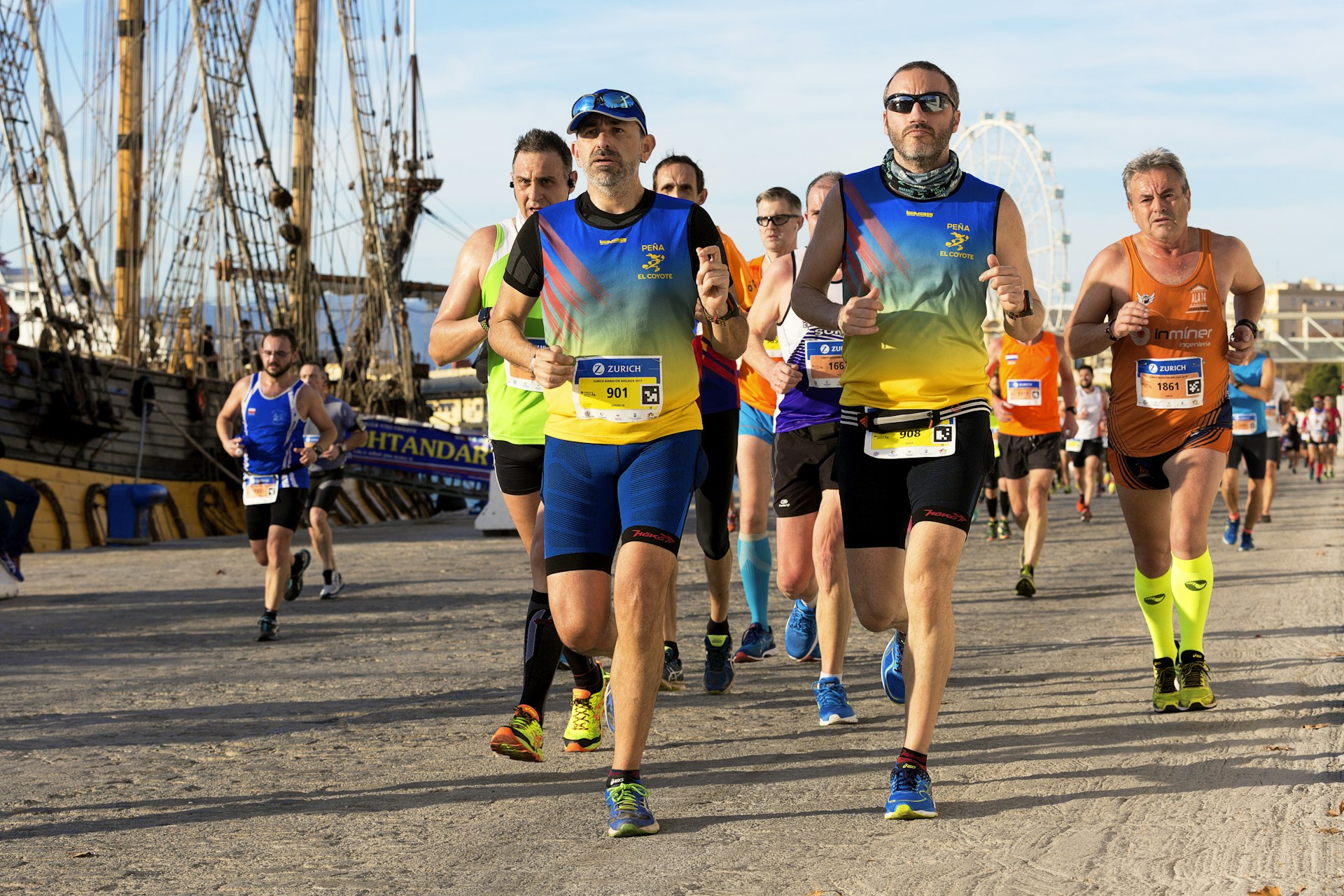
Photo by VO2 Master on Unsplash
Introduction to Sports Technology in Injury Diagnostics
Sports technology in injury diagnostics has advanced significantly, enabling faster and more accurate identification of injuries. These innovations allow medical professionals to assess musculoskeletal issues, soft tissue damage, and even subtle neurological concerns with unprecedented precision. [1] Traditional methods like standard X-rays and MRIs are being enhanced by tools such as advanced MRI techniques, point-of-care ultrasound (POCUS), and artificial intelligence (AI), which reduce diagnosis time from days to hours. This shift not only aids athletes in returning to play sooner but also supports preventive strategies through data-driven insights. For teams and individuals, integrating these technologies means better management of training loads and early detection of risks.
Real-world implementation involves equipping clinics with portable devices and software that provide immediate feedback. Challenges include high initial costs and the need for specialized training, but solutions like user-friendly interfaces and cloud-based analytics are making them accessible to amateur and professional levels alike. Alternatives include combining these with wearable tech for ongoing monitoring, ensuring comprehensive care.
Advanced Imaging Technologies Leading the Way
Advanced MRI techniques, such as 3T MRI and functional MRI (fMRI), offer higher resolution for detecting subtle ligament tears, tendon issues, and cartilage damage. [1] [2] These systems use stronger magnetic fields to visualize soft tissues in elite athletes, where early intervention can prevent surgery. GE Healthcare’s sports medicine MRI technology, for instance, supports quantitative MRI (qMRI) for assessing recovery from concussions and musculoskeletal (MSK) injuries, predicting return-to-play timelines. [2]
Dual-energy CT (DECT) improves soft tissue contrast, distinguishing urate crystals from bone marrow edema or stress fractures missed by standard scans. [1] Point-of-care ultrasound (POCUS) stands out for its portability, allowing sideline assessments of muscle strains or joint effusions without delays. [1] To implement POCUS, practitioners select high-resolution portable units, train on dynamic scanning protocols, and integrate findings into electronic health records. Potential challenges like operator dependency are addressed through standardized training programs offered by medical associations.

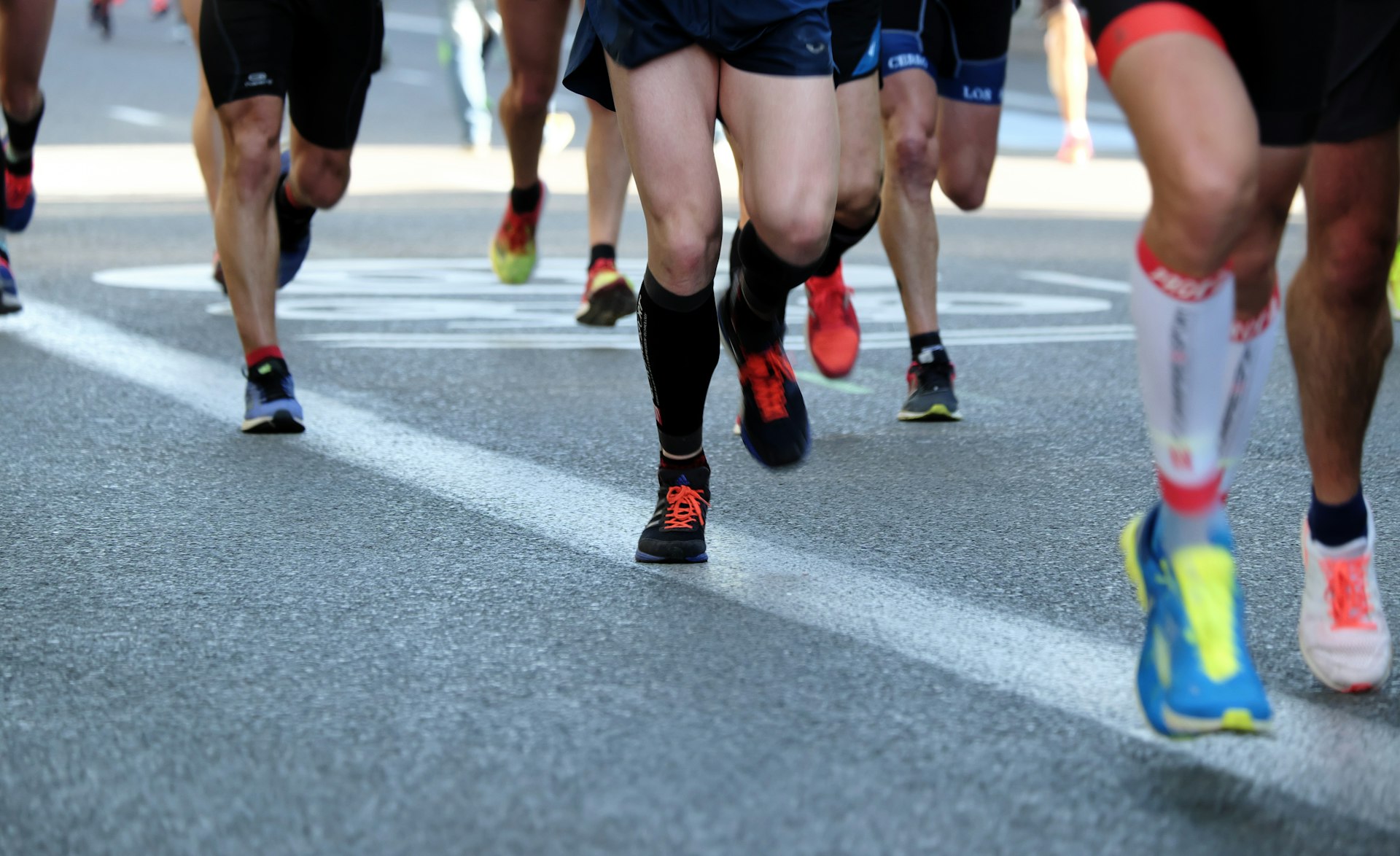
Photo by Hanson Lu on Unsplash
Whole-body MRI provides radiation-free scans for multifocal issues in endurance athletes, while low-dose CT minimizes long-term exposure. [1] Step-by-step adoption includes consulting sports medicine specialists, evaluating equipment from reputable vendors like GE Healthcare, and piloting in team settings. Examples from professional leagues show reduced diagnostic delays by up to 50%, enhancing treatment planning.
AI and Machine Learning in Predictive Diagnostics
Artificial intelligence revolutionizes injury diagnostics by analyzing imaging data to detect meniscal tears or early osteoarthritis with high sensitivity. [1] AI algorithms flag subtle anomalies, speeding interpretation for busy clinicians. In prevention, AI processes physiological data, workload, and biomechanics to predict injury risks with up to 92% accuracy using models like Random Forest and neural networks. [4]
SoccerGuard, a framework for women’s soccer, uses GPS and medical records for accurate predictions, aiding staff decisions. [4] Wearables integrated with AI monitor real-time strain, alerting to overtraining. [8] [3] To apply this, teams deploy athlete monitoring systems like Catapult’s, tracking metrics for workload adjustments. Challenges such as data privacy are mitigated via secure platforms, with alternatives like manual logging for smaller operations.
Dynamic imaging, including motion MRI and video analysis, reveals instabilities not seen in static scans, crucial for ACL prevention in soccer. [4] Implementation steps: Acquire high-resolution ultrasound scanners, train musculoskeletal specialists, and correlate with performance data. Case studies from FC Barcelona highlight reduced ACL incidents through these predictive tools.
Wearables and 3D Scanning for Comprehensive Assessment
Athlete monitoring wearables provide objective data on fatigue and performance, guiding recovery and preventing re-injuries. [3] Smart equipment like sensor-equipped helmets and gumshields detect impacts, vital for concussion management. [6] VITRONIC’s 3D body scanner offers 360° mapping of body symmetry, circumferences, and deviations, aiding biomechanics and rehab. [5]
Motion analysis systems and force plates identify risky movement patterns. [7] [6] For setup, select intuitive scanners requiring no expert training, process scans in under a minute, and integrate with training software. Challenges like cost are offset by long-term savings in injury downtime, with alternatives such as mobile apps for basic metrics.
Exoskeletons and blood oxygen monitors support rehab by enhancing strength and tracking oxygenation. [6] Froedtert’s diagnostics include DEXA for bone density and electrodiagnostics, providing holistic evaluations. [7] Practical steps: Partner with sports clinics offering these, schedule baseline scans, and monitor progress weekly.
Practical Implementation and Future Trends
To access these technologies, consult sports medicine centers like Froedtert or vendors such as GE Healthcare and VITRONIC via their official sites. Start with needs assessment: Identify common injuries in your sport, budget for portables like POCUS, and train staff through certified programs. Track ROI via reduced recovery times, as seen in pro teams using AI for 92% prediction accuracy. [4]
Future trends point to deeper AI integration, regenerative medicine pairings, and widespread wearables. Challenges include standardization; solutions involve multi-source data validation. Alternatives for budget constraints: Leverage free research hubs or university partnerships. Key takeaways: These tools shift diagnostics from reactive to proactive, optimizing athlete longevity.
References
[1] Sports Medicine Weekly (Recent). New Imaging Tech in Sports Medicine. [2] GE Healthcare (Recent). Sports Medicine MRI Technology for MSK Radiology. [3] Catapult (Recent). Injury Prevention in Sports with Athlete Monitoring. [4] Esaote (Recent). Imaging in Sport: Beyond Diagnosis. [5] VITRONIC (Recent). 3D Body Scanning for Athlete Development. [6] Meet Life Sciences (2024). Top 5 Advances in Sports Medical Tech. [7] Froedtert (Recent). Testing and Diagnosing Sports Injuries. [8] Sports Injury Bulletin (Recent). AI in Diagnosing Sports Injuries.