Navigating Modern Collegiate Athletics: Maximizing Personal Brand Potential for Student-Athletes

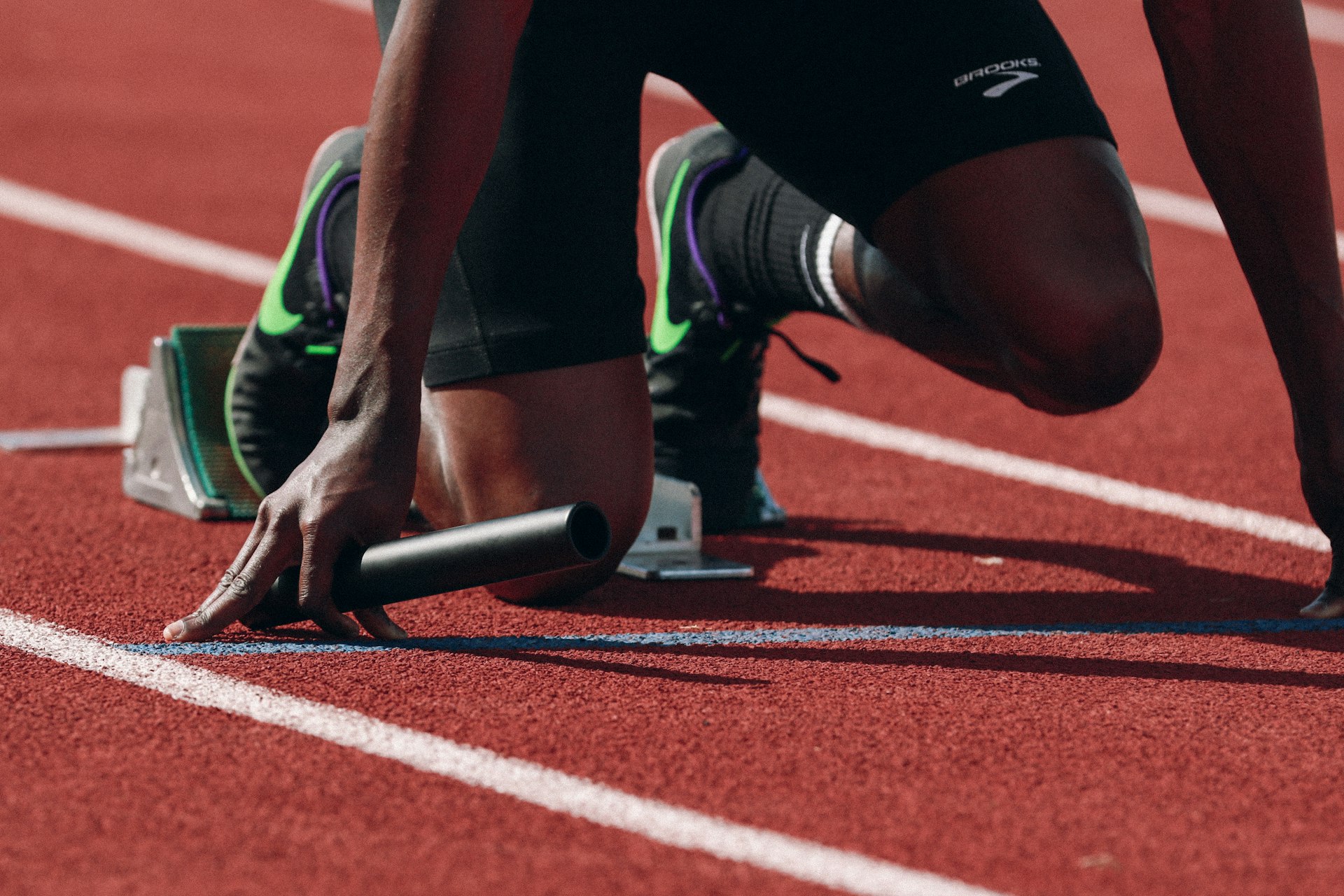
Photo by Hannah Coleman on Unsplash
Collegiate athletics have undergone a significant transformation in recent years, reshaping the relationship between student-athletes and their personal value. Prior to 2021, the National Collegiate Athletic Association (NCAA) strictly prohibited student-athletes from monetizing their name, image, and likeness (NIL), a policy that had been in place for decades. This shift opened up a landscape where student-athletes could finally capitalize on the visibility and influence they gained through their athletic achievements, creating new pathways to financial and professional growth.
Building an Authentic Personal Brand
One of the first steps for student-athletes looking to explore these new opportunities is to build a genuine personal brand. This involves identifying their unique strengths, passions, and values that set them apart from their peers. For example, a soccer player who is passionate about youth mentorship can integrate that into their public persona, sharing content about coaching local kids or advocating for sports programs in underserved communities. This authenticity not only resonates with audiences but also attracts partnerships that align with their core identity.
Social media platforms play a crucial role in brand building. Platforms like Instagram, TikTok, and YouTube allow student-athletes to showcase their daily lives, training routines, and off-field interests. Consistency is key here-regular posts that highlight both their athletic journey and personal experiences help to build a loyal following. It’s important to remember that the audience includes not just sports fans but also potential partners, so content should be professional yet relatable, avoiding controversial topics that could alienate supporters or sponsors.
Exploring Local and Niche Partnerships
Many student-athletes start their NIL journey with local partnerships, which are often more accessible than national brand deals. Local restaurants, gyms, clothing stores, and community organizations are eager to collaborate with student-athletes who have a strong presence in the area. For instance, a basketball player at a mid-sized university might partner with a local pizza shop to promote their menu, or a track athlete could work with a running store to test and review their products.
Niche partnerships are another valuable avenue. Student-athletes with specialized skills or interests can connect with brands in those areas. A swimmer who is passionate about sustainability might partner with an eco-friendly swimwear brand, while a football player who is studying business could collaborate with a local startup to share their entrepreneurial journey. These partnerships not only provide financial benefits but also help to expand the athlete’s network and gain experience in marketing and brand management.

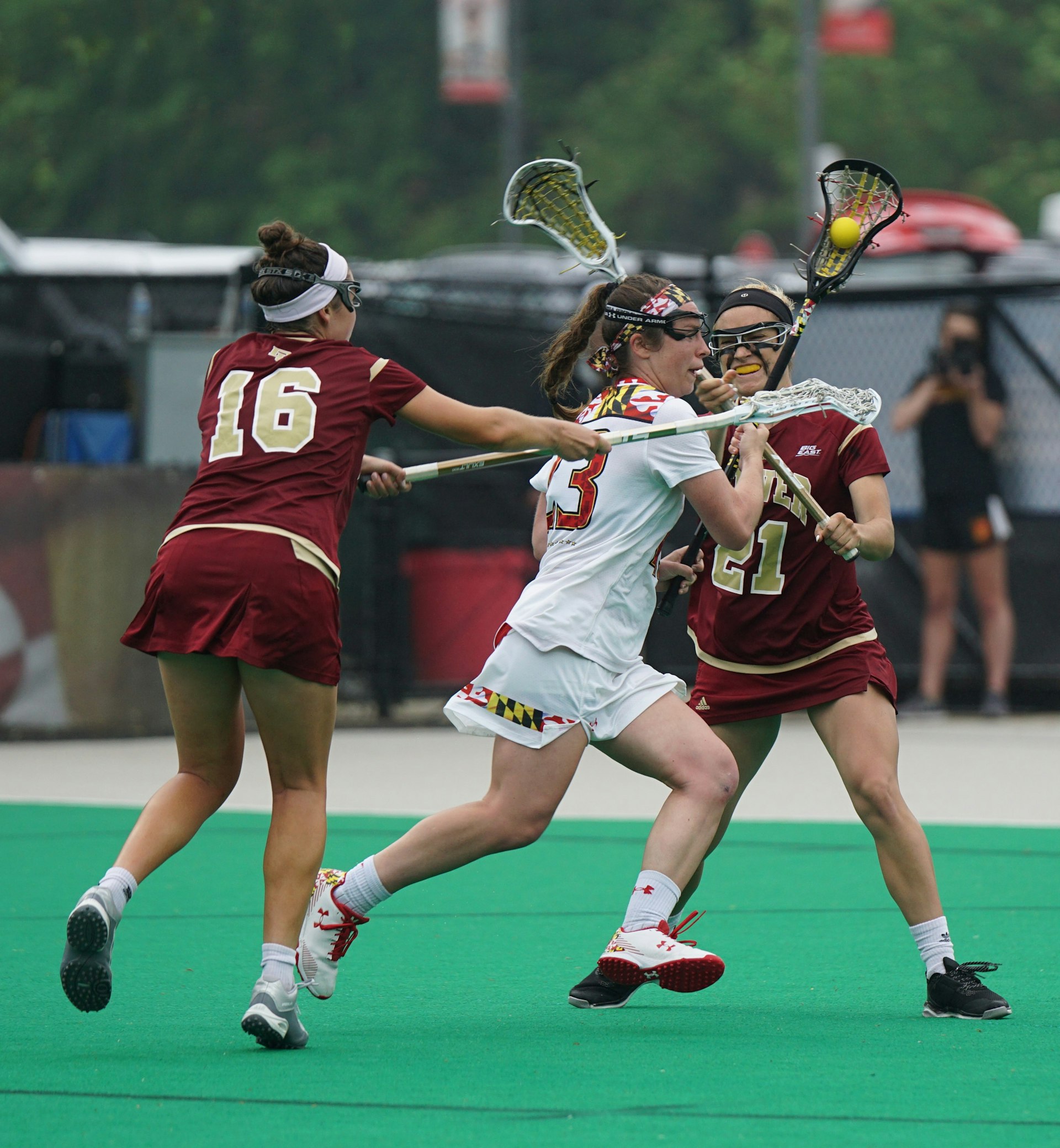
Photo by Braden Collum on Unsplash
Understanding Compliance and Regulations
While the NCAA’s rule change has opened up new opportunities, it’s essential for student-athletes to understand the compliance requirements set by their school, conference, and state. Each state has its own NIL laws, which vary in terms of allowed activities, disclosure requirements, and restrictions on certain types of partnerships. For example, some states prohibit student-athletes from partnering with alcohol or tobacco brands, while others require them to disclose their NIL deals to their school’s athletic department.
Most universities have established offices or resources to help student-athletes navigate these regulations. It’s important for athletes to consult with these resources before entering any partnership to ensure that they are in compliance with all rules. Failing to do so could result in penalties, including suspension from their team or loss of eligibility. Taking the time to understand these guidelines helps to protect both the athlete’s athletic career and their personal brand.
Long-Term Benefits Beyond Athletics
The opportunities available to student-athletes extend far beyond short-term financial gains. Building a personal brand and working with partners provides valuable experience in marketing, communication, and business management-skills that are transferable to any career path. For example, a student-athlete who manages their own social media accounts and negotiates partnership deals will develop skills in content creation, contract negotiation, and audience engagement that are highly sought after in the professional world.
Additionally, these experiences help to build a professional network that can support the athlete after their collegiate career ends. Many student-athletes go on to work in sports management, marketing, or other related fields, and the connections they make during their time as athletes can open doors to job opportunities. Even for those who pursue careers outside of sports, the confidence and leadership skills gained through managing their personal brand are invaluable.
Balancing Athletics, Academics, and NIL Efforts
One of the biggest challenges for student-athletes is balancing their athletic commitments, academic responsibilities, and NIL activities. It’s important to set clear boundaries and prioritize their time effectively. For example, an athlete might schedule content creation sessions during their free time on weekends or after practice, ensuring that it doesn’t interfere with their training or classes. Many student-athletes also work with mentors or agents who can help them manage their NIL opportunities, allowing them to focus on their studies and sports while still capitalizing on their brand potential.
It’s also crucial to remember that being a student comes first. Maintaining good academic standing is essential for eligibility, and many partnerships require athletes to demonstrate a commitment to their education. By balancing all three areas of their life, student-athletes can maximize their potential both during and after their collegiate career.
In conclusion, the evolving landscape of collegiate athletics has created new possibilities for student-athletes to grow personally and professionally. By building an authentic brand, exploring local and niche partnerships, understanding compliance regulations, and balancing their various commitments, student-athletes can make the most of these opportunities and set themselves up for long-term success. As the space continues to develop, it’s important for student-athletes to stay informed about new rules and trends, ensuring that they can adapt and thrive in this dynamic environment.