Navigating Early Sports Focus: Balancing Skill Growth and Well-Being for Young Athletes

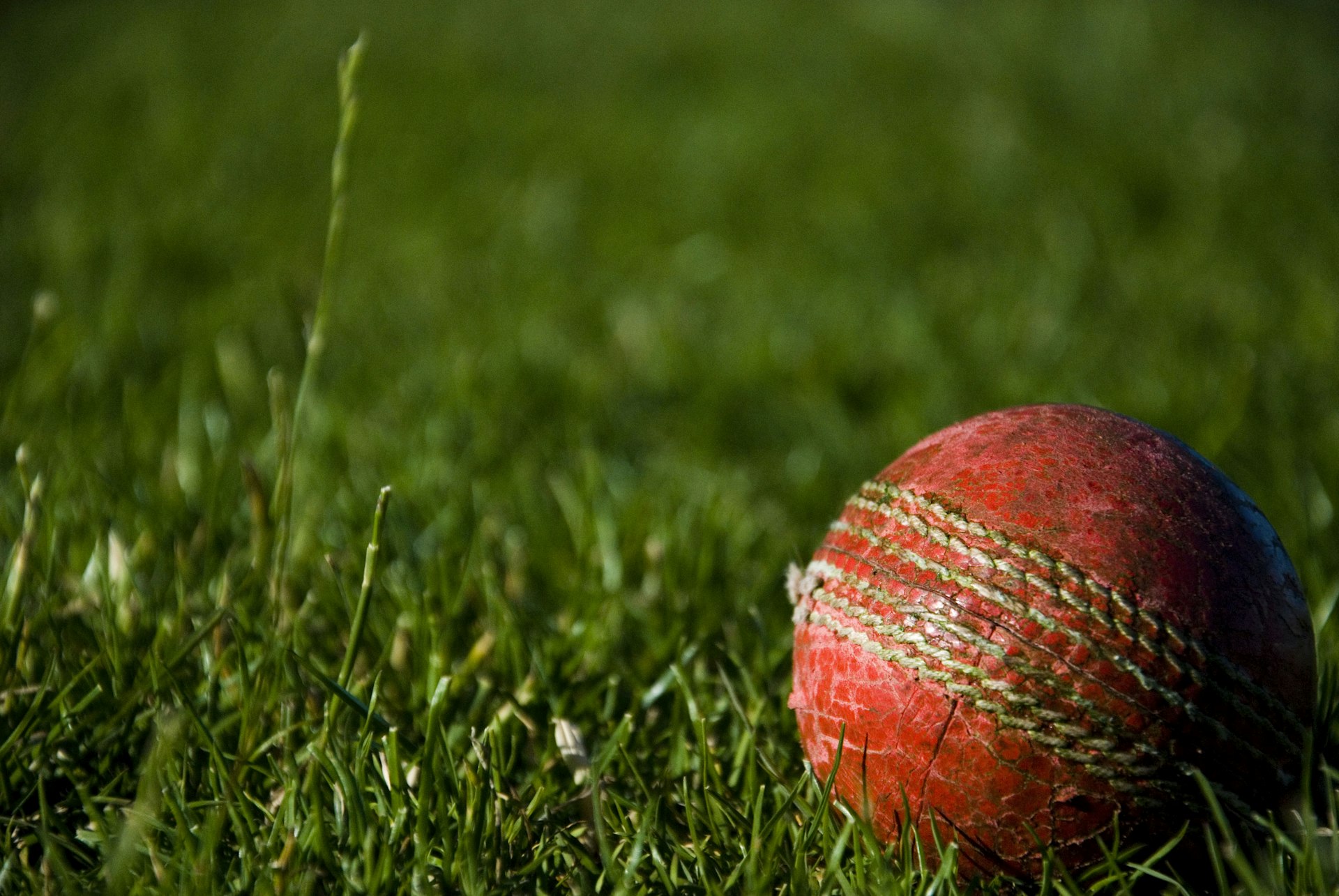
Photo by April Walker on Unsplash
The Rise of Early Sports Specialization
In recent decades, there’s been a noticeable shift in youth sports toward early specialization-where young athletes focus exclusively on one sport year-round, often starting as early as 8 or 9 years old. This trend is fueled by a combination of factors: parental aspirations for athletic success, the perception that early focus leads to college scholarships or professional careers, and the growth of competitive youth leagues that cater to single-sport participants. While some young athletes thrive in this environment, others face unexpected challenges that can impact their long-term relationship with sports.
Potential Benefits of Focused Training
Proponents of early specialization argue that it allows young athletes to develop advanced skills at a faster pace. By dedicating consistent time to one sport, they can refine technique, build muscle memory, and gain a deeper understanding of game strategy. For example, a young soccer player who practices dribbling and passing daily may develop a more precise touch than a peer who splits time between soccer, basketball, and baseball. Additionally, specialized training can foster a sense of belonging to a team, as athletes work closely with the same coaches and teammates over multiple seasons, building strong social bonds and shared goals.
Another potential benefit is the opportunity to compete at higher levels earlier on. Many elite youth sports programs require year-round commitment, and specialized athletes are often better equipped to meet the physical and mental demands of these competitive environments. This can lead to increased confidence as young athletes see their hard work translate into improved performance and recognition from peers and coaches.
Hidden Risks of Over-Specialization
Despite these benefits, sports medicine experts warn that early specialization carries significant risks, particularly for growing bodies. Overuse injuries are among the most common concerns: repetitive motions in a single sport can strain developing muscles, tendons, and joints. For instance, young pitchers who throw hundreds of pitches each week are at high risk of elbow or shoulder injuries, such as Little League elbow or rotator cuff tears. These injuries can not only sideline athletes for months but also have long-term effects on their physical health, potentially limiting their ability to participate in sports later in life.
Burnout is another critical issue. When young athletes are pressured to perform year-round without breaks, they may lose their love for the game. The constant focus on winning and improvement can turn a fun activity into a source of stress, leading to emotional exhaustion, irritability, and even depression. Additionally, specialized athletes may miss out on the benefits of cross-training-such as improved cardiovascular health from running, or core strength from gymnastics-that come from participating in multiple sports. This lack of variety can also limit their overall athleticism, making them less adaptable to new challenges.
Social isolation is another potential downside. Young athletes who spend all their free time on one sport may have fewer opportunities to interact with peers outside their team. This can impact their social development, as they miss out on experiences like school clubs, neighborhood games, or family gatherings that help build a well-rounded sense of self.
Strategies for Balanced Athletic Development
To mitigate these risks, sports medicine professionals and youth sports advocates recommend a balanced approach to athletic development. One key strategy is to encourage cross-training until at least the age of 14 or 15. This allows young athletes to develop a wide range of physical skills, reduce the risk of overuse injuries, and maintain their enthusiasm for sports by exploring different activities. For example, a young tennis player could add swimming to their routine to improve endurance without putting additional stress on their knees and elbows.
Another important strategy is to prioritize rest and recovery. Young bodies need time to heal and grow, so coaches and parents should ensure that athletes have at least one or two days off from structured training each week, as well as a 4-6 week break from their primary sport each year. This downtime not only prevents injuries but also gives athletes a chance to recharge mentally, rediscover their love for the game, and pursue other interests.
It’s also crucial to keep the focus on fun and personal growth, rather than just winning. Celebrating small achievements-like mastering a new skill or being a supportive teammate-can help young athletes build confidence and resilience, even when they don’t come out on top. Coaches and parents should avoid putting excessive pressure on athletes to perform, as this can lead to burnout and a negative attitude toward sports.
Expert Insights on Youth Sports Development
Dr. Sarah Jenkins, a pediatric sports medicine specialist at a leading children’s hospital, emphasizes the importance of a holistic approach to youth sports. “Early specialization can be beneficial for some athletes, but it’s not a one-size-fits-all solution,” she says. “We need to consider each child’s individual needs, interests, and physical development before encouraging them to focus exclusively on one sport. The goal should be to help young people develop a lifelong love for physical activity, not just to produce the next professional athlete.”
Dr. Jenkins also recommends that parents and coaches stay informed about the latest research on youth sports development. “There’s a growing body of evidence that shows cross-training and varied physical activity are key to long-term athletic success,” she explains. “By allowing young athletes to explore different sports, we’re helping them build a strong foundation of physical fitness that will serve them well throughout their lives.”

Photo by Bruno Kelzer on Unsplash
Conclusion: Building a Sustainable Relationship with Sports
Early sports specialization is a complex issue that requires careful consideration of both the potential benefits and risks. While some young athletes may thrive in a single-sport environment, others may benefit more from a balanced approach that includes cross-training, rest, and a focus on fun. Ultimately, the goal of youth sports should be to help young people develop physical skills, build confidence, and form positive relationships with peers and coaches-all while fostering a lifelong love for physical activity. By prioritizing these values, we can ensure that young athletes have the support they need to succeed both on and off the field.