Mental Focus Training Techniques for Precision Sports: Unlock Peak Performance

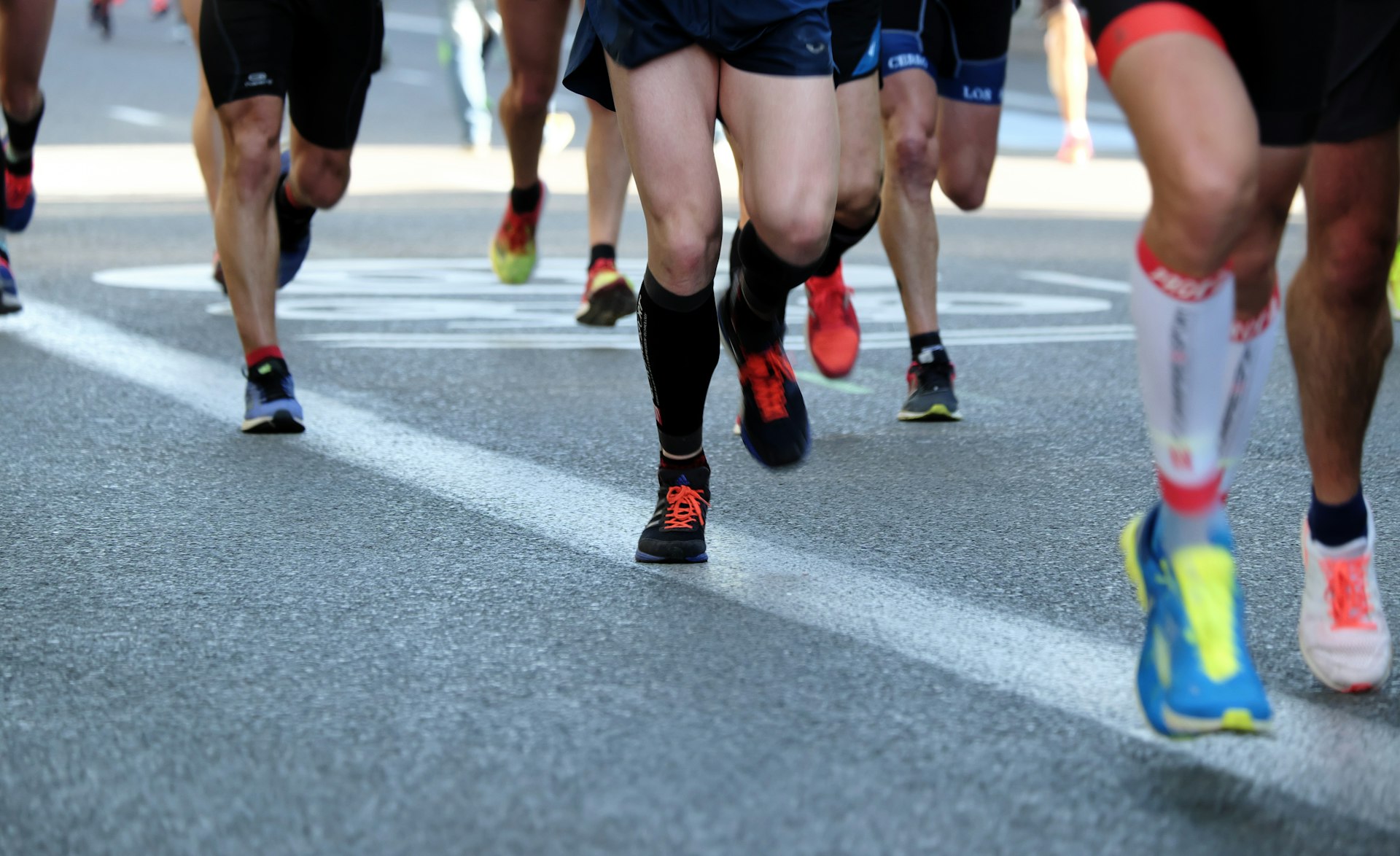
Photo by Davide Aracri on Unsplash
Introduction to Mental Focus in Precision Sports
Precision sports such as archery, shooting, golf, and tennis demand exceptional mental focus alongside physical skill. Athletes must maintain sustained attention, regulate emotions, and execute actions with pinpoint accuracy, often under intense pressure. Mental focus training addresses these cognitive demands by enhancing concentration, reaction times, and emotional control. Research shows that targeted psychological interventions can significantly improve performance in these disciplines, where even minor lapses in attention lead to suboptimal results [1] . This article explores evidence-based techniques, providing step-by-step guidance for implementation.
Neurofeedback Training: Rewiring the Brain for Precision
Neurofeedback training (NFT) uses real-time brainwave monitoring to help athletes self-regulate neural activity, improving concentration and stress management. In precision sports, NFT targets cognitive functions like sustained attention and emotional regulation, crucial for maintaining steadiness during shots or swings. Studies on archery and shooting athletes demonstrate that NFT leads to faster reaction times, better emotion management, and optimized performance [1] .
To implement NFT, athletes typically undergo 10-20 sessions with a certified practitioner using EEG equipment. During sessions, sensors track brainwaves while the athlete performs sport-specific tasks, receiving auditory or visual feedback to reinforce optimal patterns, such as balancing theta and beta waves for enhanced focus. For example, a study on judo athletes showed improved reaction times through NFT protocols maintaining optimal brainwave balance [1] . Challenges include access to equipment; solutions involve seeking sports psychology clinics or university labs offering NFT programs. Combine NFT with motor imagery-visualizing precise movements-for amplified effects, as evidenced in precision sports research [1] .
Real-world application: Olympic skating teams integrated NFT, resulting in measurable reaction time gains. Athletes can start by consulting sports psychologists experienced in biofeedback; progress may take 4-6 weeks of consistent training. Alternatives include home-based apps mimicking NFT principles, though professional oversight yields best results.
The Quiet Eye Technique: Gaze Control for Peak Accuracy
The quiet eye (QE) refers to the final focused gaze on a target just before action, lasting several seconds to enhance precision and decision-making. In basketball free throws or golf putts, longer QE durations correlate with higher success rates by stabilizing attention and reducing distractions [2] . This technique trains athletes to fixate on critical targets, ignoring peripheral noise.
Step-by-step drills include target-specific focus exercises: Fix your gaze on the bullseye or ball for 2-3 seconds before release, gradually increasing duration under timed conditions. Pressure scenarios simulate competitions, like limited-time shots, to build resilience. Video analysis-reviewing slow-motion footage of your QE phase-helps internalize effective patterns [2] . For shooting athletes, this means staring at the aim point post-alignment, fostering neural pathways for automatic precision.
Example: Golfers using QE improved putting accuracy by maintaining gaze on the ball longer than novices. Potential challenges like initial frustration from shorter QE times can be overcome by daily 10-minute practice sessions. Alternatives involve cue words like “steady gaze” paired with physical routines, enhancing transfer to competitions.
Visualization and Mental Rehearsal: Building Mental Resilience
Visualization involves mentally rehearsing actions to boost focus and confidence. Process imagery-focusing on form, timing, and positioning-strengthens neural connections for execution, while outcome imagery builds motivation by picturing success [8] [6] . In precision sports, this technique sharpens mental resilience, helping manage nerves during high-stakes moments.
Implementation steps: Find a quiet space, close eyes, and vividly imagine your routine-from setup to follow-through-for 5-10 minutes daily. Pair with physical cues like slow breathing to reinforce. For tennis players, visualize precise serves under crowd noise; shooters can rehearse trigger pulls mentally [9] . Studies confirm it enhances concentration and performance consistency [8] .
Case study: Weightlifters using imagery for one-rep maxes reported better precision focus, treating lifts as mental processes beyond brute strength [3] . Challenges include vividness; solutions are progressive detail-building and journaling sessions. Alternatives: External video cues or guided audio tracks from sports apps.
Mindfulness Meditation and Breathing: Core Concentration Builders
Mindfulness meditation trains present-moment awareness, vital for precision sports where distractions derail performance. Daily practice improves engagement during shooting or archery sequences [4] . Breathing techniques regulate arousal, sharpening attention pre-action.
Start with 10-minute sessions: Sit comfortably, focus on breath, gently redirect wandering thoughts. For pre-performance, use 4-7-8 breathing (inhale 4 seconds, hold 7, exhale 8) to calm nerves. Shooting athletes develop routines incorporating these for heightened purpose [4] . Combine with goal-setting: Break performance into milestones like “steady aim hold” to sustain motivation.
Evidence from elite athletes shows routines with mindfulness and breathing maintain composure under pressure [6] . Example: Archers meditating daily report fewer anxiety-induced misses. Address challenges like inconsistency with habit-tracking apps; alternatives include body scans or walking meditation.
Cognitive and Brain Training Drills: Enhancing Agility and Adaptability
Cognitive training improves reaction times, balance, and focus via brain-body exercises simulating game scenarios. Precision athletes benefit from drills boosting cognitive flexibility and decision-making under fatigue [5] [7] .
Sports-specific steps: For golf, alternate targets rapidly while maintaining balance; tennis players react to visual cues under dual-task loads. Tools like reaction balls or apps train visuospatial processing. Benefits include better pressure performance and sustained concentration [5] .
Tennis exemplifies neuroscience gains in reaction time and resilience [9] . Challenges: Monotony; vary drills weekly. Alternatives: Virtual reality simulations or partner games.
Integrating Techniques: Pre-Performance Routines and Coaching
Combine methods into routines: NFT for baseline training, QE and visualization pre-shot, mindfulness for recovery. Self-talk and cue words like “focus now” reinforce execution [6] . Consult mental performance coaches for personalization; techniques like brainspotting address deeper blocks [3] .
Track progress via performance logs. Challenges: Overloading; start with 2-3 techniques. Many athletes see gains in 4-8 weeks.
Conclusion: Your Path to Precision Mastery
Mental focus training transforms precision sports performance through science-backed methods. Implement consistently for sustained attention, pressure resilience, and accuracy. Seek certified professionals for optimal results.
References
[1] Neurofeedback Training in Precision Sports (2024). PMC study on archery and shooting improvements.
[2] The Quiet Eye in Sports (iMotions). Focus training for peak performance.
[3] Sport Psychology Tactics (Ben Foodman). Mental states in practice vs. competition.
[4] Mastering Concentration (Intarso). Techniques for shooting athletes.
[5] Brain Training Exercises (Brain Health DC). Enhancing focus and adaptability.
[6] Sharpening Mental Focus (The Mental Game). Tools for elite athletes.
[7] Cognitive Training for Athletes (Dr. Cognitive Health). Mental agility in sports.
[8] Sports Visualization (Scorability). Enhancing athletic training.
[9] Neuroscience of Tennis (Nuvance Health). Brain health benefits.

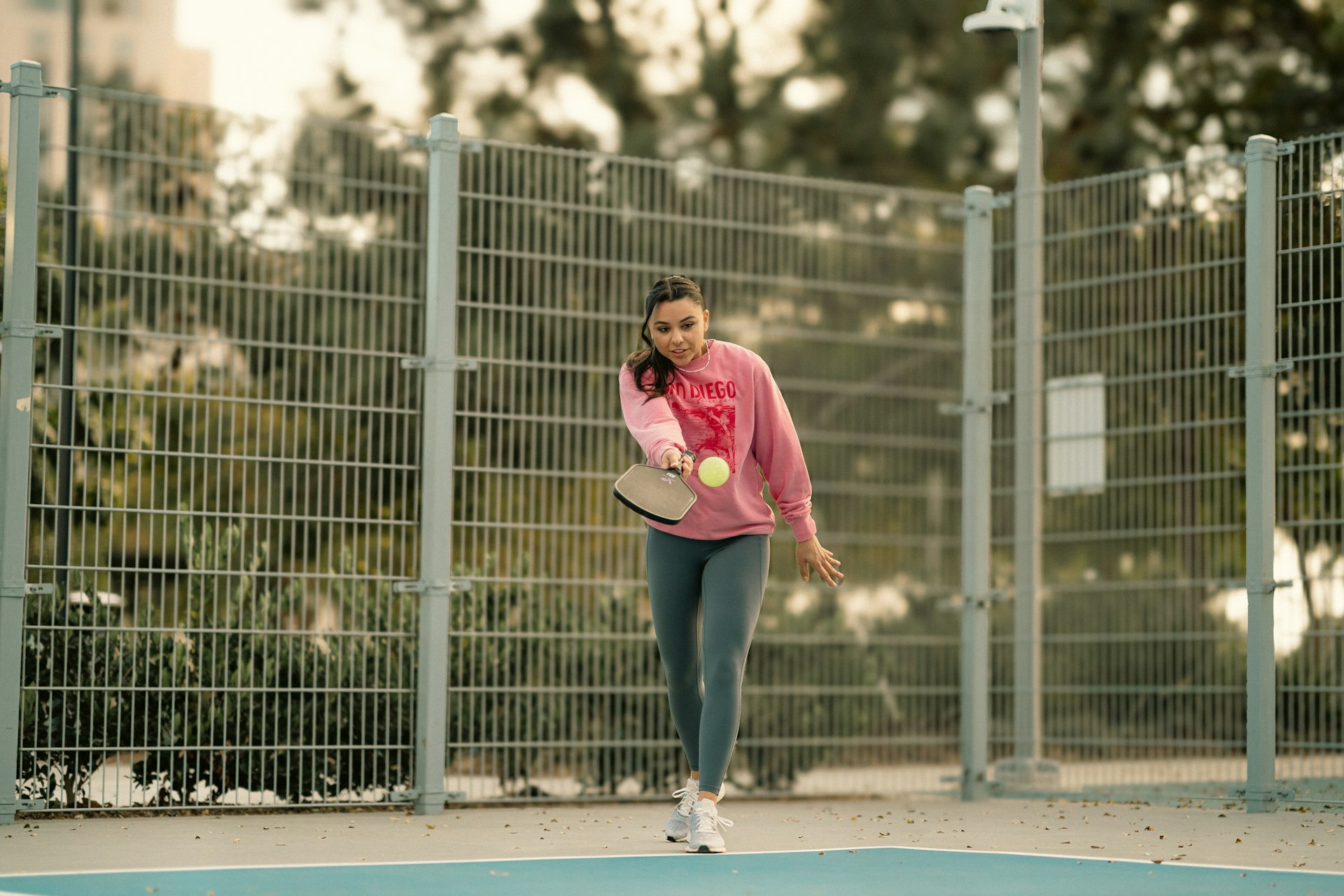
Photo by JC Gellidon on Unsplash