Evidence-Based Strategies to Support Female Athletes in Reducing ACL Injury Risk

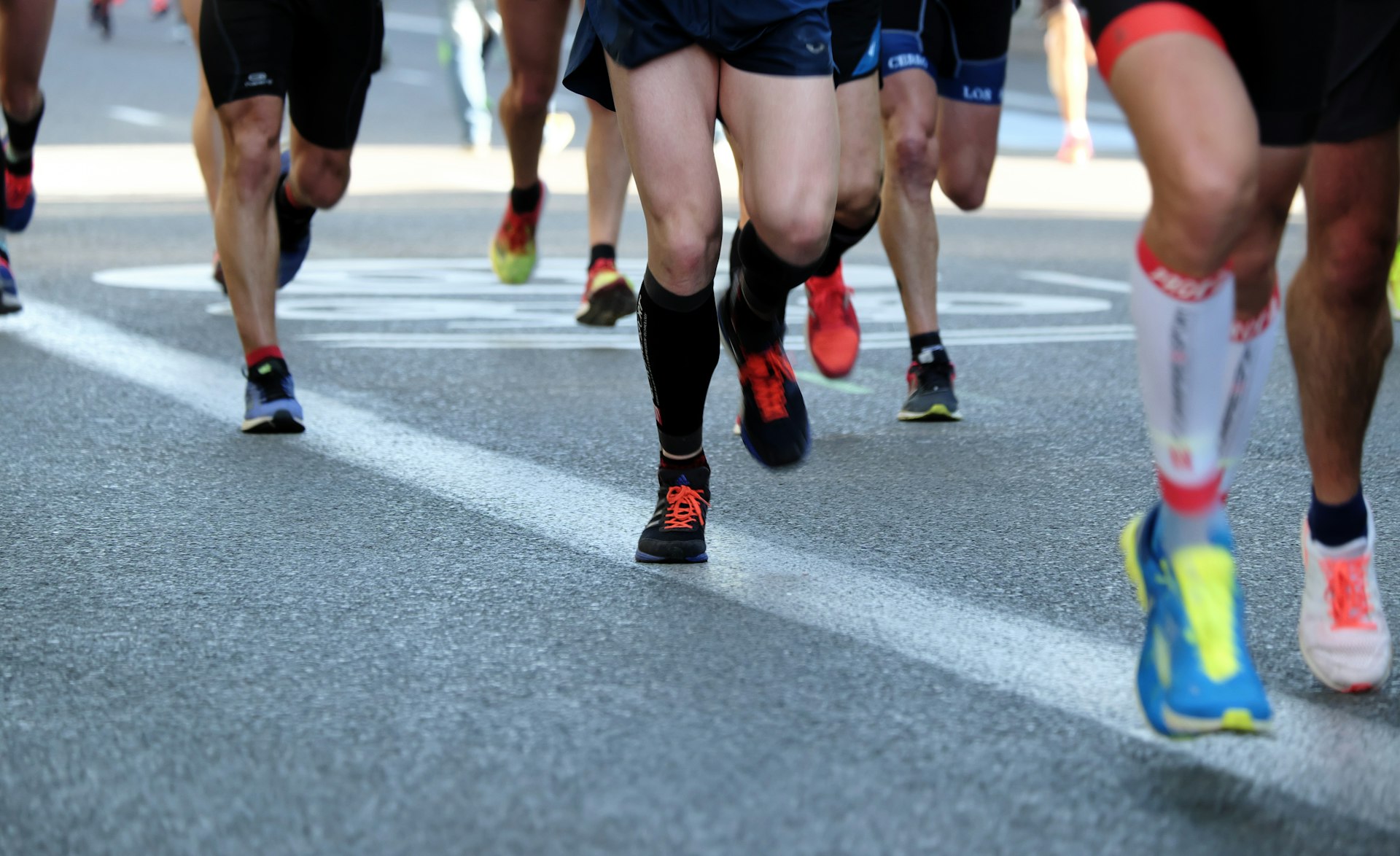
Photo by Omar Ramadan on Unsplash
Understanding the Unique Context of Athlete Injury Resilience
For many athletes, maintaining consistent participation in their sport is a top priority, but unexpected injuries can disrupt training schedules, competitive goals, and even long-term physical health. Over the years, researchers have identified that certain groups of athletes may face higher risks of specific injuries, leading to a growing focus on tailored prevention methods. These methods are rooted in a deep understanding of both the physical and physiological traits that shape how an athlete’s body responds to training and competition.
Biological and Anatomical Considerations
One area of focus has been on the differences in musculoskeletal structure between various athlete populations. For instance, variations in knee joint alignment, ligament laxity, and lower limb length can all play a role in how forces are distributed during dynamic movements like cutting, jumping, and landing. Additionally, hormonal fluctuations throughout the menstrual cycle have been studied for their potential impact on tissue elasticity and muscle function, which can influence injury risk during different phases of the cycle.
Anatomical differences, such as a wider pelvic structure, can alter the angle of the femur relative to the tibia, creating a greater valgus stress on the knee joint during weight-bearing activities. This increased stress can place additional strain on the ligaments that stabilize the knee, making them more susceptible to injury under high-intensity conditions. Studies have also noted differences in the size and composition of key ligaments, which may contribute to varying levels of injury risk across different athlete groups.
Biomechanical Factors in Movement Patterns
Beyond biological traits, biomechanical movement patterns are a key area of focus for injury prevention. Many athletes develop movement habits over time that may not be optimal for their body type or sport. For example, landing with knees caving inward, or not bending the hips and knees sufficiently during jumps, can increase the force transmitted to the knee joint. These patterns often develop due to a lack of awareness, insufficient strength in supporting muscles, or improper training techniques that prioritize speed over form.
Neuromuscular control, which refers to the body’s ability to coordinate muscle activation during movement, is another critical factor. Athletes with poor neuromuscular control may not be able to adjust their movements quickly in response to unexpected changes in terrain or game situations, increasing their risk of injury. This is particularly true during high-speed, dynamic movements that require rapid shifts in direction or balance, such as those seen in basketball, soccer, and volleyball.
Evidence-Based Prevention Strategies
To address these factors, researchers and clinicians have developed a range of evidence-based prevention strategies that can be integrated into an athlete’s training routine. Strength training is a foundational component, focusing on building strength in the quadriceps, hamstrings, glutes, and core muscles. These muscles provide essential support to the knee joint, helping to distribute forces more evenly and reduce strain on the ligaments. For example, exercises like Romanian deadlifts, glute bridges, and step-ups can target these key muscle groups, improving overall knee stability.
Neuromuscular training programs are another effective approach. These programs typically include exercises that improve balance, coordination, and movement awareness. For instance, single-leg stands with eyes closed, lateral shuffles with resistance bands, and jump-landing drills that emphasize proper knee alignment can help athletes learn to control their movements more effectively. Many of these programs are designed to be sport-specific, tailoring exercises to the movements that are most common in a particular sport to ensure maximum relevance and effectiveness.
Movement retraining is also an important part of prevention. This involves working with a qualified coach or physical therapist to identify and correct any harmful movement patterns. For example, an athlete who consistently lands with their knees caving inward may be taught to engage their glute muscles more effectively to maintain proper alignment during jumps and landings. This type of retraining often requires consistent practice over several weeks or months to see lasting changes, as it involves rewiring ingrained movement habits.
Load management is another critical strategy. This involves carefully balancing the volume and intensity of training to avoid overloading the body. Overtraining can lead to fatigue, which can impair neuromuscular control and increase the risk of injury. By monitoring an athlete’s training load using tools like wearable devices or training logs, coaches can adjust schedules to incorporate rest days and active recovery sessions, such as yoga or swimming, to help the body recover and adapt to training stress.
Hormonal considerations are also being increasingly integrated into prevention plans. For athletes who experience significant hormonal fluctuations, adjusting training intensity or incorporating additional recovery strategies during certain phases of the menstrual cycle may help reduce injury risk. This approach requires close collaboration between the athlete, coach, and a healthcare provider who can provide personalized guidance based on the athlete’s individual hormonal profile and symptoms.
Collaborative Approaches to Injury Prevention
Effective injury prevention is not the responsibility of a single individual; it requires collaboration between athletes, coaches, physical therapists, and healthcare providers. Athletes play a key role in being aware of their bodies and communicating any discomfort or changes in performance to their support team. Coaches can integrate prevention strategies into regular training sessions and ensure that athletes are using proper techniques from the start of their training journey. Physical therapists can provide personalized assessments and retraining programs to address specific weaknesses or movement patterns. Healthcare providers can offer guidance on hormonal health, nutrition, and overall physical well-being to support the athlete’s holistic health.
Looking to the Future of Athlete Well-Being
As research in this area continues to evolve, new prevention strategies are being developed to support athletes of all backgrounds. Advances in technology, such as motion capture systems and wearable devices that track movement patterns and training load, are providing new insights into how athletes’ bodies respond to training, allowing for more personalized prevention plans. Additionally, a growing focus on holistic well-being, including mental health and nutrition, is helping to create more comprehensive approaches to athlete care that address all aspects of an athlete’s health.

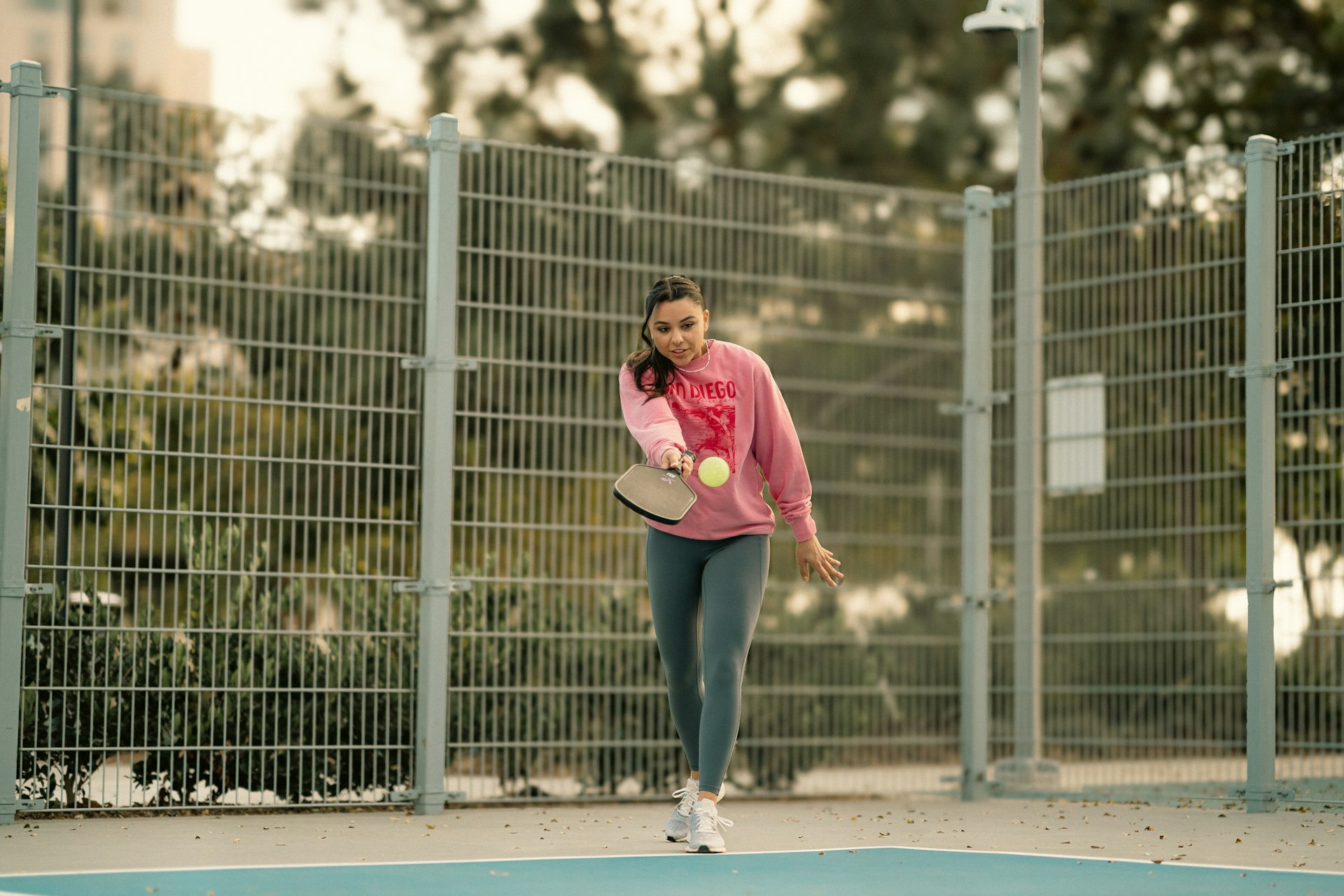
Photo by Eagle Media Pro on Unsplash
By staying informed about the latest research and evidence-based practices, athletes and their support teams can work together to create safe, supportive environments that prioritize injury resilience and long-term health. This not only helps athletes avoid unnecessary setbacks but also allows them to reach their full potential in their chosen sports, fostering a lifelong love of physical activity and healthy competition.