
Are Collectibles a Good Investment? A Reality-Based Buying Framework
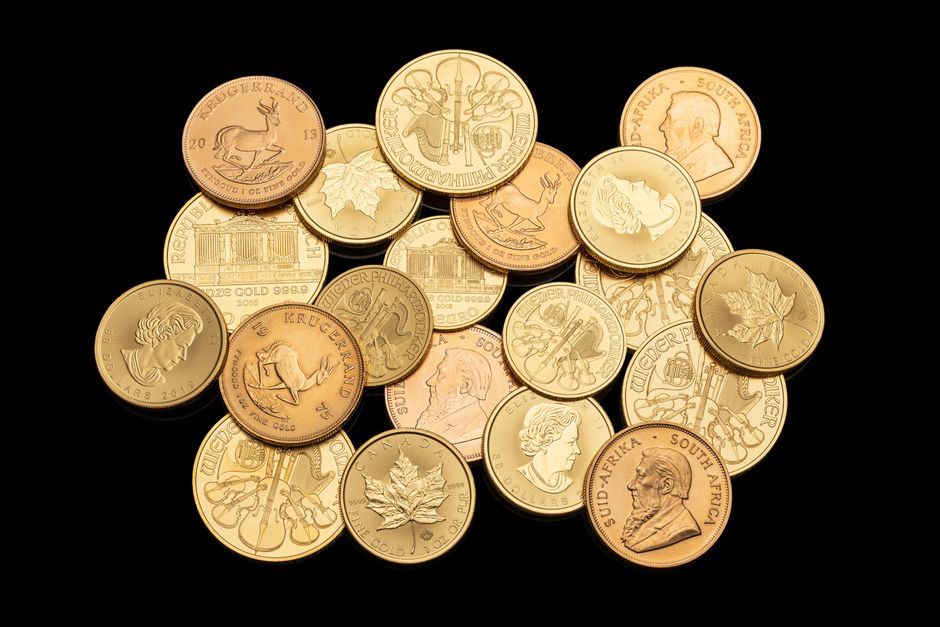
Collectibles are investable only when the specific item has documented authenticity, condition you can defend, a credible pool of future buyers, and carrying and selling costs that still leave room for a satisfactory outcome. Treat the purchase as a due-diligence exercise, not a category bet: rarity without provenance, liquidity, and resale demand is not an investment case.
What collectibles are most likely to increase in value?
The collectibles most likely to hold up are not defined by a fashionable label; they are items with a clear trust record and a workable resale path. The evidence supports that distinction. In a Management Science study published in 2024, auction-catalog provenance information was associated with a higher probability of sale and higher hammer prices for art.
That is the useful operating principle: make uncertainty smaller before you make a purchase. For the art transactions studied, documented pedigree, exhibition history, literature coverage, and certification or expert opinions were the relevant forms of authenticity evidence. The study reported hammer-price premiums of up to 54%, depending on the type of provenance information. That result does not promise a premium for every collectible. It shows why documentation can matter when buyers must decide whether an item is what the seller says it is.
The five-file test
- Provenance: Can the ownership chain, prior sales, exhibition history, literature references, or expert evidence be documented?
- Condition: Is the condition described in a recognized, transferable way rather than with a seller's vague label?
- Rarity: Is scarcity supported by records available to buyers, rather than an unsupported claim?
- Demand: Is there evidence of a repeatable resale channel for comparable items?
- Liquidity: Can the item be sold without relying on one unusually enthusiastic bidder?
Weak version: “It is rare, so it will rise.” Strong version: “Its provenance, condition record, and comparable resale channel reduce the questions a future buyer must answer.” The second sentence describes an investable thesis. The first describes a hope.
Are trading cards, coins, comics, or vintage toys better investments?
No category wins by default; the better choice depends on the individual item's documentation, resale market, and cost structure. The supplied research does not provide a verified ranking of trading cards, coins, comics, and vintage toys, so public data here does not support declaring one of them the best investment.
The broader evidence argues against blanket category claims. A Heliyon study published in 2023 examined fine-wine, diamond, art, and stamp indices at several frequencies and found materially different price behavior across categories. Wine prices were highly persistent in that analysis, stamp prices were only weakly persistent, and diamond-index behavior varied by index. The study also identifies high transaction costs, lower liquidity, information asymmetry, low trading volume, and difficulty short-selling as features that distinguish passion investments from conventional assets.
| Decision factor | What to test before buying | Why it changes the case |
|---|---|---|
| Buyer depth | Whether comparable items have an established sales venue and visible completed sales | Lower liquidity and low trading volume can make an exit harder. |
| Condition language | Whether condition can be authenticated or graded under a recognized process | Buyers need a shared basis for judging condition. |
| Documentation | Whether ownership, certification, and supporting records travel with the item | Provenance can reduce trust friction at resale. |
| Cost stack | Whether all acquisition, holding, service, and selling costs are known | Transaction costs apply even when the resale result disappoints. |
For coins, PCGS says authentication and grading emerged in response to counterfeiting and coin doctoring, and it uses a condition scale derived from the Sheldon Scale. For trading cards, PSA states that authentication verifies originality or genuineness, while grading assesses condition after authenticity is established. Those processes can create a clearer handoff to a future buyer. They do not create scarcity, demand, or liquidity on their own.
How can I tell whether a collectible is authentic?
Authenticity is best treated as a document-and-expert question, not a visual guess. Start with the item and its paperwork together: ask what proves identity, what supports ownership history, what records condition, and what independent reviewer can evaluate the claim.
Use a simple sequence. First, preserve the seller's description and all associated records. Second, match the evidence to the relevant category: the Management Science research identifies pedigree, exhibition history, literature coverage, and certification or expert opinions as useful authenticity signals in art. Third, decide whether independent authentication would remove an uncertainty that a future buyer will also face.
For cards, PSA's authentication guidance states that graders review authenticity and evidence of alterations, including recoloring or trimming, before encapsulation. For coins, PCGS's authentication guidance frames authentication and grading as a response to counterfeiting and coin doctoring. The operational lesson is simple: keep the chain of evidence with the item. A detached certificate, an undocumented seller statement, or a condition claim with no shared standard leaves the next buyer doing the same detective work.
Run the exit test before the entry test
Before assigning financial value to a collectible, write the resale listing in plain language: “Here is the item, here is the provenance, here is the condition evidence, here is the market where comparable buyers appear, and here are the costs required to sell.” If a claim cannot be written without vague words such as “rare” or “hot,” it is not ready to carry investment weight.
The American Economic Review analysis published in 2018 makes the exit test even more important. It models art auctions in which successful sales and unsuccessful sale attempts both create transaction costs, and it finds that resale conditions vary with the broader economy. A collectible can provide owner-specific enjoyment. That does not turn its prior sale price into a guaranteed future value.
Frequently Asked Questions
Does grading a collectible make it worth the cost?
Grading can make condition easier to communicate, but it does not automatically make an item worth more than the service, shipping, insurance, and selling costs. PSA distinguishes authentication from grading: originality is established before condition is assessed. The useful question is whether a documented condition grade solves a buyer's uncertainty for this specific item.
How do I know whether there will be buyers when I want to sell?
Look for evidence that comparable items are offered and sold through an established resale channel, then separate completed sales from unsuccessful attempts. The American Economic Review's 2018 analysis of art auctions shows that failed sale attempts also carry transaction costs and that prices and auction volume vary with economic conditions. A past price is a reference point, not a guaranteed exit price.
What costs should I include before treating collectibles as an investment?
Include acquisition, authentication or grading, storage, insurance, shipping, transaction, and resale-attempt costs. Also include the cost of time: PSA's listed grading services have estimated turnaround periods, while the American Economic Review's 2018 research shows that the conditions surrounding resale can materially affect outcomes. If the full cost stack is unknown, the financial case is unfinished.
This week's drill: choose one collectible under consideration and build its five-file record before looking at its asking price. Then write the exit listing. The gaps in that draft identify the due diligence still required.
Sources
- Management Science, In Art We Trust
- American Economic Review, A Model of Trading in the Art Market
- Heliyon, research on passion-investment price dynamics
- Professional Coin Grading Service, Authentication
- Professional Sports Authenticator, Authentication
Disclaimer: This article is for general information only and is not financial advice. It does not take your personal circumstances into account, and past performance does not predict future results. Speak to a licensed financial professional before making money decisions.
Related reading
Where Should I Put Money for a Future Goal?
A goal-based guide to matching savings and investments to your deadline, loss tolerance, emergency fund, home, education, and retirement plans.