How Heart Rate Variability Shapes Athletic Performance and Recovery

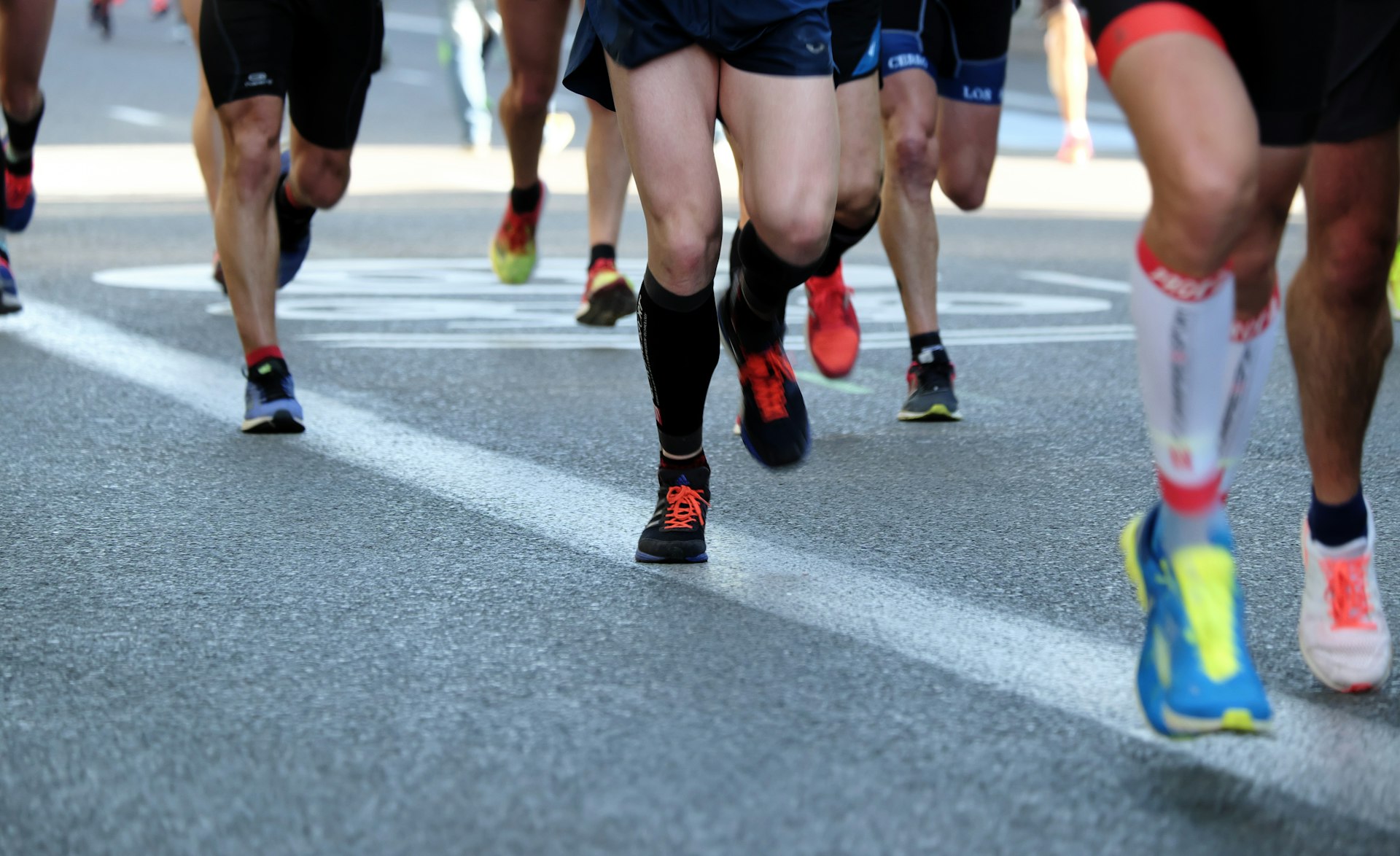
Photo by Filip Mroz on Unsplash
Every athlete knows that tracking metrics like speed, strength, and workout duration is key to improving performance. But there’s a less talked-about physiological indicator that can provide deeper insights into how the body is responding to training: heart rate variability (HRV). This metric, which measures the time between consecutive heartbeats, is a reflection of the autonomic nervous system’s balance-the part of the nervous system that controls involuntary functions like breathing, digestion, and heart rate.
Breaking Down the Autonomic Nervous System’s Role
The autonomic nervous system has two main branches: the sympathetic nervous system (SNS), often called the “fight or flight” response, and the parasympathetic nervous system (PNS), known as the “rest and digest” response. HRV is high when the PNS is dominant, indicating the body is in a state of recovery and relaxation. When the SNS is active, HRV decreases, which is typical during intense exercise or periods of stress.
For athletes, this balance is critical. During training, the SNS kicks in to support increased physical exertion, redirecting blood flow to working muscles, raising heart rate, and boosting energy production. After a workout, the PNS needs to take over to repair micro-tears in muscle tissue, replenish glycogen stores, and restore homeostasis. A consistent ability to shift between these states is a sign of a well-adapted, resilient athlete who can handle higher training loads without breaking down.
Correlations Between HRV and Athletic Performance
Numerous peer-reviewed studies have linked higher HRV levels to better athletic outcomes. For endurance athletes, a higher baseline HRV is associated with improved aerobic capacity and faster recovery after long runs or cycling sessions. A 2021 study published in the
Journal of Strength and Conditioning Research
found that endurance runners with higher baseline HRV had a 12% faster 5K time compared to runners with lower HRV, even when their VO2 max levels were similar. This suggests that HRV may be a better predictor of performance than traditional aerobic capacity metrics in some cases.
In strength sports, athletes with higher HRV often report better power output and reduced muscle soreness following heavy lifting. This is because a balanced autonomic nervous system supports efficient muscle repair and reduces inflammation, allowing athletes to train more frequently and with greater intensity over time. Conversely, a sudden drop in HRV can be an early warning sign of overtraining. When the body is pushed too hard without adequate recovery, the autonomic nervous system becomes imbalanced, leading to lower HRV, increased fatigue, irritability, and a higher risk of overuse injuries.
Practical Ways to Use HRV in Training
Tracking HRV is relatively simple with modern wearable devices that measure heart rate continuously. Athletes typically take a baseline reading first thing in the morning, before getting out of bed, to establish a personal norm. Over time, they can compare daily readings to this baseline to make informed decisions about their training for the day:
- If HRV is above baseline: The body is well-recovered, so a more intense training session (like interval sprints or heavy weightlifting) may be appropriate.
- If HRV is below baseline: The body is still recovering, so a lighter workout or active recovery day (like yoga, walking, or swimming at a slow pace) is recommended to avoid further stress.
Coaches can also use HRV data to identify patterns over weeks or months. For example, if an athlete’s HRV consistently drops after a certain type of workout (like high-intensity interval training), it may indicate that the training load is too high for their current fitness level. Adjusting the frequency or intensity of those workouts can help restore balance and prevent overtraining before it leads to more serious issues.

Photo by Jorge Alberto Vega Barrera on Unsplash
Consistency is key when tracking HRV. Athletes should take their readings at the same time each morning, in the same position (lying down), and avoid checking their phone or drinking coffee before taking the measurement. This helps ensure that the data is as accurate as possible, as factors like sleep quality, stress levels, hydration, and caffeine intake can all affect daily HRV readings.
Limitations and Important Considerations
While HRV is a valuable tool, it’s not a one-size-fits-all metric. Several factors can affect daily readings, including sleep quality, stress levels, hydration, and even caffeine intake. Athletes need to account for these variables when interpreting their data. For example, a single low HRV reading after a poor night’s sleep doesn’t necessarily mean overtraining-it may just indicate the body needs more rest that day.
Additionally, HRV varies widely between individuals. What’s a normal baseline for one athlete may be abnormal for another, so it’s important to focus on personal trends rather than comparing to others. A 20-year-old endurance athlete may have a much higher baseline HRV than a 40-year-old strength athlete, and both can be perfectly healthy. Working with a sports scientist or coach who understands how to interpret HRV data can help athletes get the most out of this metric, as they can provide personalized guidance based on an athlete’s specific sport, fitness level, and goals.
As sports science continues to evolve, metrics like HRV are becoming increasingly important for optimizing athletic performance. By providing a window into the body’s autonomic health, HRV allows athletes and coaches to make more informed decisions about training and recovery. While it’s not a replacement for other performance metrics like speed, strength, or VO2 max, it’s a powerful addition to any athlete’s toolkit. For those looking to take their training to the next level, exploring how this metric fits into their routine can lead to more sustainable progress and better long-term outcomes.