Maximizing Endurance: The Science and Practice of Heat Adaptation Training

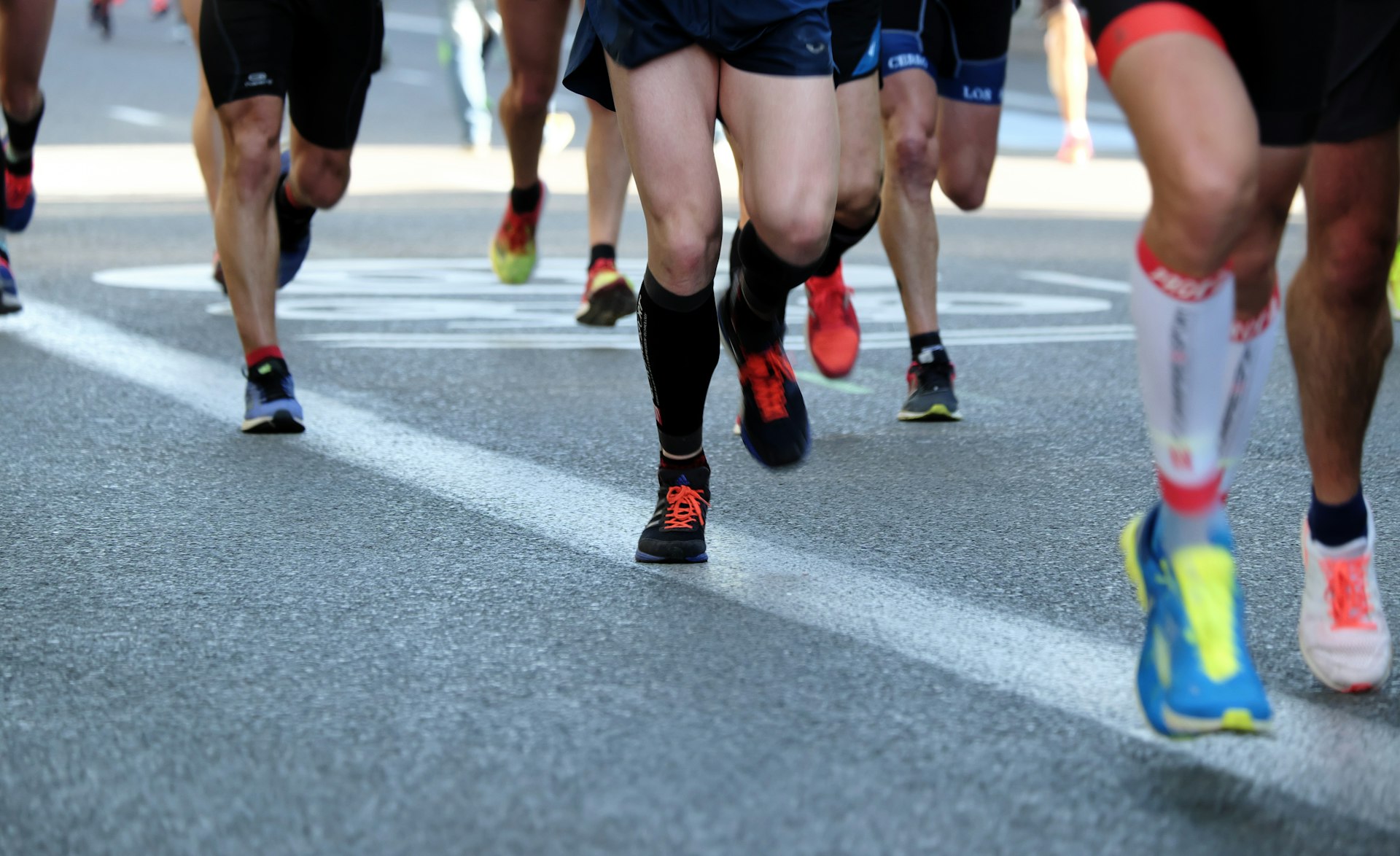
Photo by Alexander Red on Unsplash
Understanding Heat Adaptation Physiology
When the body is exposed to repeated periods of heat, it undergoes a series of adaptive changes that improve its ability to regulate temperature and maintain performance. One of the primary adaptations is an increase in plasma volume, which begins within the first few days of consistent heat exposure. This expanded plasma volume allows the heart to pump more blood efficiently, delivering oxygen and nutrients to working muscles while also facilitating better heat transfer from the core to the skin.
Another key adaptation is an elevated sweat rate, which occurs as the body learns to produce sweat earlier in a workout and in greater quantities. This not only helps cool the body more effectively but also reduces the concentration of electrolytes lost in sweat, minimizing the risk of dehydration and cramping over extended periods. Additionally, heat training leads to a lower core temperature threshold for sweating, meaning the body starts its cooling process sooner, preventing dangerous overheating during intense or prolonged exercise.
Active vs. Passive Heat Training Methods
Heat training can be divided into two main categories: active and passive. Active heat training involves performing exercise in a hot environment, such as outdoors on a warm day or in a heated gym or sauna room. This method allows athletes to combine their regular endurance workouts with heat exposure, making it a time-efficient way to build both fitness and heat tolerance.
Passive heat training, on the other hand, involves exposing the body to heat without engaging in physical activity. Common passive methods include sitting in a sauna, using a hot tub, or wearing heated clothing. Passive training is often used by athletes who want to avoid adding extra physical stress to their bodies, such as during recovery periods or when dealing with an injury. It can also be a useful option for those who live in cooler climates and don’t have regular access to hot outdoor conditions.
Designing a Safe and Effective Heat Training Protocol
When implementing a heat training program, it’s crucial to prioritize safety to avoid heat-related illnesses like heat exhaustion or heat stroke. The first step is to start slowly, gradually increasing the duration and intensity of heat exposure over several weeks. For active training, begin with short sessions (15-20 minutes) in moderate heat (80-85°F or 27-29°C) and gradually extend the time and raise the temperature as the body adapts.
Hydration is also essential during heat training. Athletes should drink plenty of water and electrolytes before, during, and after each session to replace fluids lost through sweat. It’s recommended to monitor urine color to ensure adequate hydration-pale yellow urine is a sign of proper fluid balance, while dark yellow or amber urine indicates dehydration.
Another important consideration is monitoring core temperature. While it’s not always feasible to measure core temperature directly, athletes can watch for signs of overheating, such as dizziness, nausea, rapid heartbeat, or confusion. If any of these symptoms occur, it’s important to stop the session immediately, move to a cool area, and rehydrate.
Translating Heat Adaptation to Endurance Performance
The benefits of heat training extend beyond improved heat tolerance. Studies have shown that heat-adapted athletes perform better in both hot and cool conditions compared to their non-adapted peers. The increased plasma volume and improved cardiovascular efficiency translate to better oxygen delivery, which enhances endurance during long-distance running, cycling, swimming, and other aerobic activities.
Heat training also improves the body’s ability to use fat as a fuel source, which can help conserve glycogen stores during prolonged exercise. This is particularly beneficial for endurance athletes, as glycogen depletion is a common cause of fatigue during long workouts or races. Additionally, the reduced core temperature rise during exercise means athletes can maintain a higher intensity for longer periods before experiencing fatigue.
Considerations for Different Populations
While heat training can be beneficial for many athletes, it’s not suitable for everyone. Individuals with certain medical conditions, such as heart disease, high blood pressure, or diabetes, should consult with a healthcare provider before starting a heat training program. Pregnant women and older adults should also exercise caution and modify their training protocols to avoid excessive heat exposure.
For beginners, it’s important to start with shorter, less intense sessions and gradually build up. It’s also helpful to work with a certified trainer or coach who has experience with heat training to ensure proper form and technique, as well as to develop a personalized program that meets individual needs and goals.
Conclusion and Further Exploration
Heat training is a valuable tool for endurance athletes looking to enhance their performance and push their limits. By understanding the physiological adaptations that occur during heat exposure and following a safe, structured training protocol, athletes can improve their heat tolerance, cardiovascular efficiency, and overall endurance. However, it’s important to remember that heat training is just one component of a comprehensive endurance program, and it should be combined with proper nutrition, recovery, and regular strength training to achieve optimal results.

Photo by Venti Views on Unsplash
As research in this area continues to evolve, new methods and protocols are being developed to maximize the benefits of heat training. Athletes and fitness enthusiasts are encouraged to stay informed about the latest findings and to experiment with different approaches to find what works best for their individual bodies and goals.