Navigating Athletic Competitions in Sweltering Conditions: Essential Safety Practices

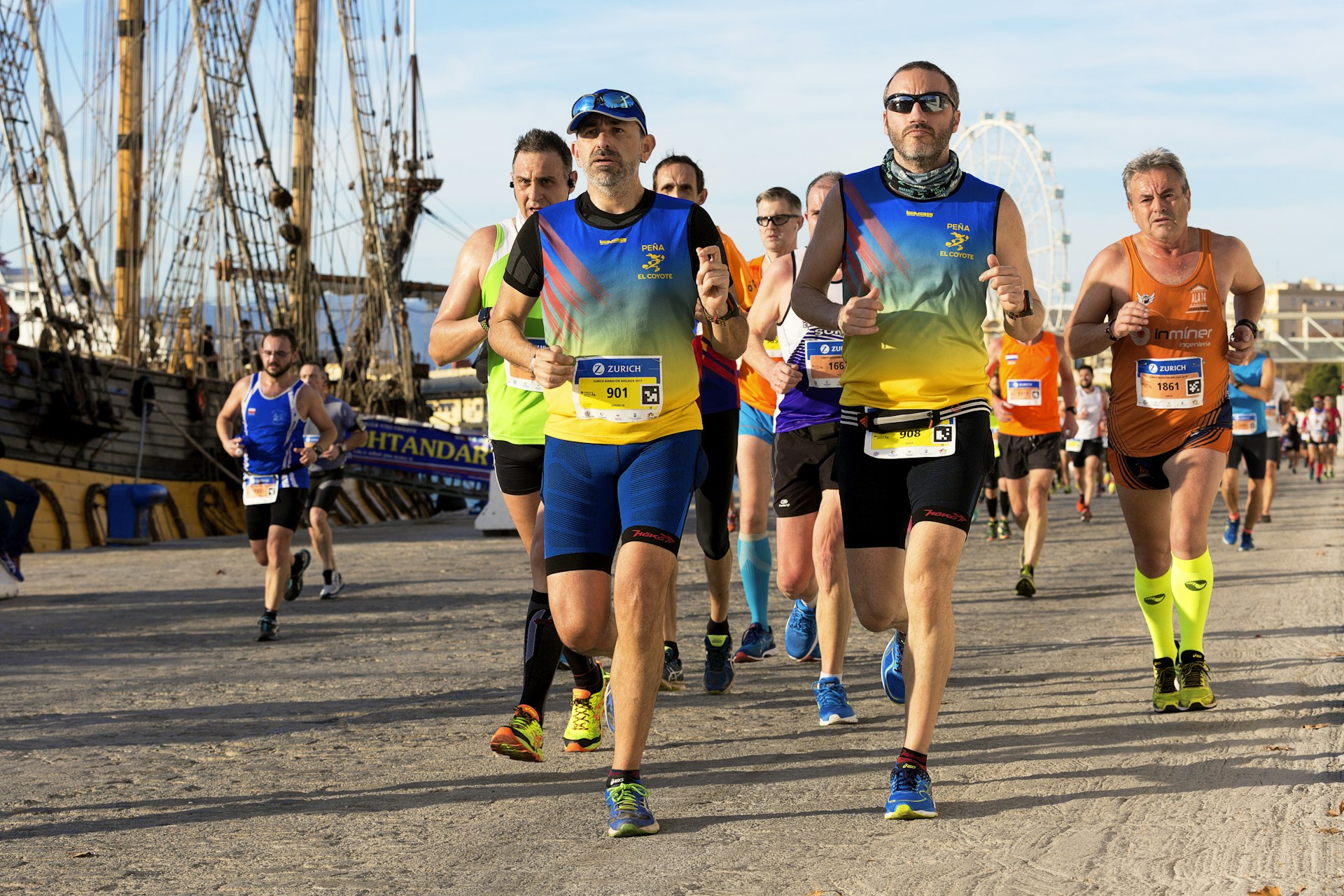
Photo by Baptiste Prat on Unsplash
Physiological Impacts of Heat on Athletes
When athletes exercise in high heat, their bodies generate significant internal heat through muscle contractions. Normally, the body dissipates this heat via sweating and vasodilation-blood vessels near the skin widen to release heat. However, in extreme conditions, these mechanisms can become overwhelmed. High humidity exacerbates the problem by reducing the rate at which sweat evaporates, leaving the body unable to cool itself effectively. Over time, this can lead to a buildup of core body temperature, which disrupts normal bodily functions, including heart rate regulation, electrolyte balance, and cognitive performance.
Electrolyte loss is another critical concern. Sweating not only removes water from the body but also essential minerals like sodium, potassium, and magnesium. These electrolytes play a key role in muscle function, nerve signaling, and fluid balance. A deficit can lead to cramping, fatigue, and in severe cases, irregular heartbeats, which pose serious risks during intense physical activity.
Pre-Competition Preparation
Proper preparation before a competition in hot weather is foundational to athlete safety. Acclimatization is one of the most effective strategies. Athletes should gradually expose themselves to warm conditions over 7 to 14 days, increasing the duration and intensity of their workouts each day. This process helps the body adapt by increasing sweat production, improving blood flow to the skin, and adjusting electrolyte retention, making it more resilient to heat stress.
Hydration planning is equally important. Athletes should start hydrating well before the competition begins-drinking water and electrolyte-rich beverages in the 24 to 48 hours leading up to the event. It’s recommended to monitor urine color; pale yellow indicates adequate hydration, while dark yellow signals a need for more fluids. Avoiding excessive caffeine and alcohol in the days prior is also key, as these substances can dehydrate the body.
Appropriate clothing and gear can also make a difference. Lightweight, loose-fitting, moisture-wicking fabrics help sweat evaporate quickly, keeping the body cooler. Avoiding dark colors, which absorb heat, and wearing sun-protective clothing or sunscreen can further reduce heat exposure. Some athletes may also benefit from cooling gear, such as ice vests or cooling towels, during pre-competition warm-ups.
In-Competition Safety Protocols
During the competition, event organizers and coaches must implement strict safety protocols to protect athletes. Scheduling events during cooler parts of the day-early morning or late afternoon-can significantly reduce heat exposure. If events must be held during peak heat, frequent rest breaks in shaded or air-conditioned areas are essential. These breaks should allow athletes to rehydrate, cool down, and assess their physical condition.

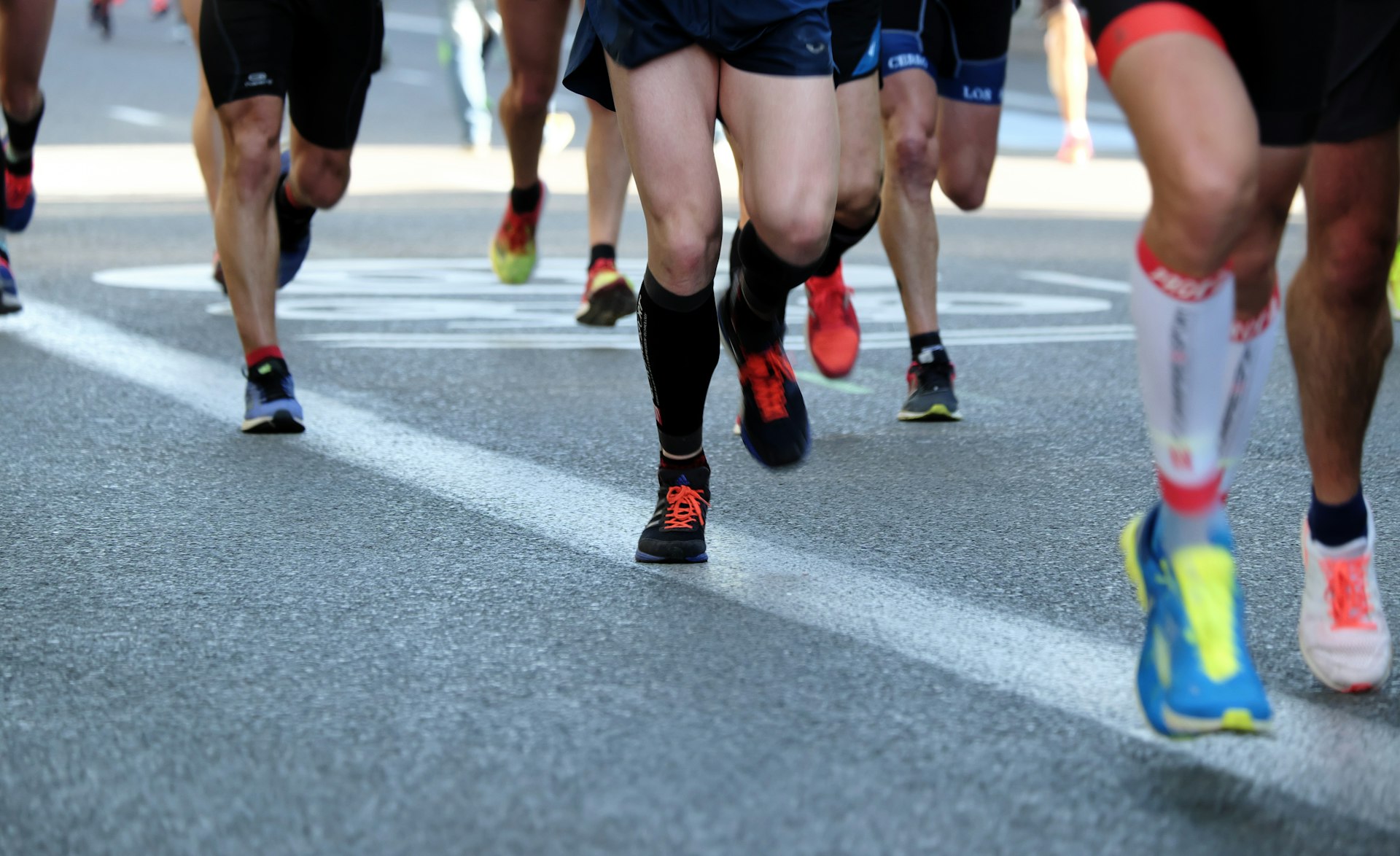
Photo by Deirdre Corcoran Foote on Unsplash
Hydration stations should be easily accessible throughout the competition venue, offering both water and electrolyte drinks. Athletes should be encouraged to drink small amounts of fluid regularly, rather than waiting until they feel thirsty, as thirst is a late sign of dehydration. Coaches and medical staff should also monitor athletes for signs of heat distress, such as excessive sweating, fatigue, or confusion, and intervene promptly if necessary.
Modifying competition rules in extreme heat can also help mitigate risks. For example, shortening the duration of matches or adding extra timeouts can reduce the amount of continuous physical exertion. In some cases, event organizers may need to postpone or cancel competitions if heat indices reach dangerous levels, prioritizing athlete safety over event schedules.
Recognizing and Responding to Heat-Related Illnesses
Being able to recognize the signs of heat-related illnesses is crucial for both athletes and support staff. Heat cramps are the mildest form, characterized by painful muscle spasms in the legs, arms, or abdomen. These can usually be treated with rest, hydration, and gentle stretching. Heat exhaustion is more severe, with symptoms including heavy sweating, weakness, dizziness, nausea, and a rapid pulse. Athletes experiencing heat exhaustion should be moved to a cool area, given fluids, and cooled with cold towels or ice packs.
Heatstroke is the most dangerous heat-related illness, a medical emergency that requires immediate attention. Symptoms include a core body temperature above 104°F (40°C), confusion, loss of consciousness, hot and dry skin (or no sweating), and seizures. If heatstroke is suspected, call emergency services immediately. While waiting for help, cool the athlete rapidly by immersing them in cold water, applying ice packs to the neck, armpits, and groin, or using a fan to blow cool air over their body.
It’s important to note that heat-related illnesses can affect any athlete, regardless of age or fitness level. Even elite athletes who are acclimatized to heat can experience distress if they push themselves too hard or fail to take proper precautions. Regular training on heat safety for all team members, including coaches, trainers, and athletes, can help ensure that everyone is prepared to respond quickly and effectively.
Post-Competition Recovery
Recovery after competing in heat is just as important as preparation and in-competition care. Athletes should continue hydrating with electrolyte drinks to replace fluids and minerals lost during the event. It’s also important to monitor their body temperature and physical condition for several hours after the competition, as some heat-related symptoms may appear delayed.
Rest is essential for the body to recover. Athletes should avoid intense physical activity for at least 24 hours after competing in extreme heat, allowing their bodies to restore normal function. Eating a balanced meal rich in carbohydrates, proteins, and electrolytes can help replenish energy stores and repair muscle tissue.
Additionally, athletes should reflect on their performance and preparation to identify areas for improvement. Did they hydrate enough? Was their acclimatization process effective? Did they recognize any early signs of heat distress? By answering these questions, athletes can adjust their practices for future competitions in warm conditions, reducing their risk of heat-related illnesses.
Fostering a Culture of Heat Safety in Sports
Heat safety in athletic competitions is a shared responsibility, requiring collaboration between event organizers, coaches, medical staff, and athletes. By implementing proactive measures, educating everyone involved, and prioritizing safety over competition outcomes, we can create a safer environment for all athletes. Whether you’re a weekend warrior or an elite competitor, taking the time to learn about heat safety practices can help you stay healthy and perform at your best, even in the hottest conditions.
As climate change continues to increase the frequency and intensity of extreme heat events, the importance of these practices will only grow. Sports organizations must adapt their policies and protocols to address these changing conditions, ensuring that athletes can compete safely for years to come. By staying informed and taking action, we can protect the health and well-being of athletes everywhere.