Breaking Barriers: How Sports Venues Are Evolving to Welcome All Fans

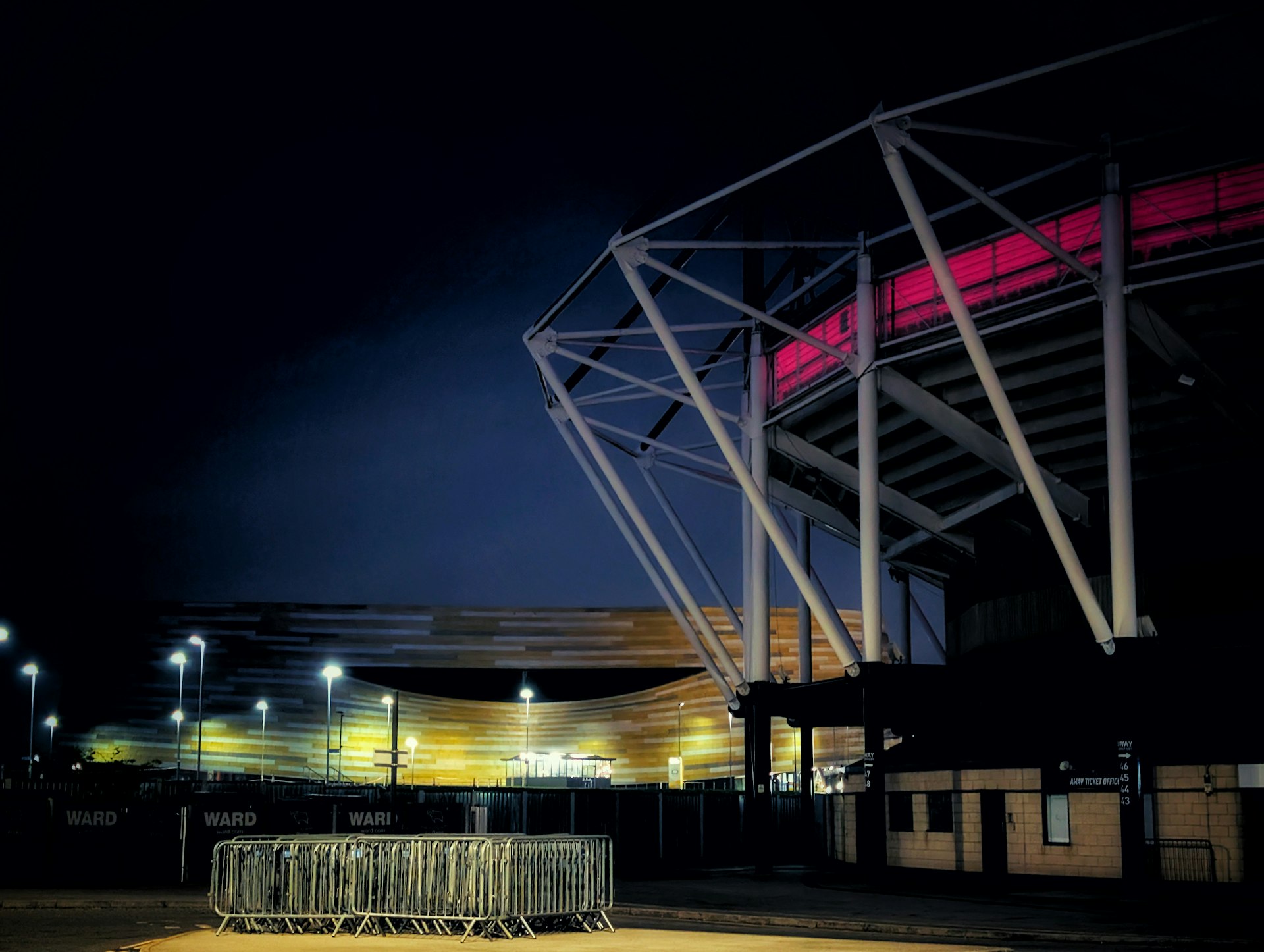
Photo by Yash Kumawat on Unsplash
The Shift Toward Inclusive Sports Venues
For generations, sports have been a unifying force, bringing people together to celebrate triumphs, commiserate losses, and share moments of joy. Yet for many fans with disabilities, attending a live game has long been a source of frustration rather than excitement. Narrow doorways, steep stairs, limited seating options, and a lack of accessible amenities created barriers that excluded millions from participating in this shared cultural experience. In recent years, however, there has been a growing recognition that sports venues must evolve to welcome all fans, regardless of their physical, sensory, or cognitive abilities. This shift isn’t just about meeting legal requirements-it’s about honoring the core spirit of sports: community, belonging, and equal opportunity.
Physical Accessibility: Beyond Basic Compliance
One of the most visible changes in sports venue design is the expansion of physical accessibility features. Gone are the days when a single ramp at the back of the stadium was considered sufficient. Modern venues now prioritize universal design principles, ensuring that every area of the facility is accessible to people with mobility impairments. For example, Mercedes-Benz Stadium in Atlanta, home to the NFL’s Atlanta Falcons and MLS’s Atlanta United, boasts over 1,200 accessible seating locations, each with unobstructed views and companion seating for guests. These seats are strategically placed throughout the stadium, not just in isolated sections, allowing fans with disabilities to sit with their friends and family rather than being segregated. Additionally, the venue features wide, wheelchair-friendly aisles, accessible concession stands with lowered counters, and restrooms equipped with grab bars, adult changing tables, and automatic doors.
Another key aspect of physical accessibility is parking. Many venues now offer dedicated accessible parking spots close to the entrances, with clear signage and paved pathways to the stadium gates. Some venues, like the Golden 1 Center in Sacramento, even provide shuttle services for fans with mobility challenges, ensuring that getting to and from the venue is as seamless as possible. These small but critical changes make a world of difference for fans who previously struggled to navigate the logistics of attending a live game.
Sensory Inclusivity for Neurodiverse Fans
Physical accessibility is only one piece of the puzzle. Neurodiverse fans-including those with autism, ADHD, or sensory processing disorders-often face unique challenges when attending live sports events. The loud noises from crowds, bright stadium lights, and overwhelming smells from concessions can be triggering, making it difficult to enjoy the game. To address this, many venues have introduced sensory-friendly spaces and amenities. Fenway Park, home of the Boston Red Sox, offers a quiet room equipped with dim lighting, comfortable seating, and noise-canceling headphones for fans who need a break from the chaos of the stadium. Wembley Stadium in London has gone a step further, providing sensory kits that include fidget toys, weighted blankets, and visual schedules to help neurodiverse fans feel more at ease.
Visual and audio aids are also becoming more common in inclusive venues. Closed captioning is now available on most stadium screens, allowing fans with hearing impairments to follow the game commentary. Some venues, like the Oracle Park in San Francisco, even offer audio description services for visually impaired fans, providing real-time updates about the action on the field, player movements, and crowd reactions. These features ensure that no fan misses out on the excitement of the game, regardless of their sensory needs.
Digital Accessibility: Removing Barriers Before Fans Arrive
Inclusion starts long before fans step foot in the stadium. Digital accessibility is a critical component of ensuring that all fans can easily purchase tickets, plan their visit, and access information about the venue. Many sports teams have updated their ticketing platforms to be compatible with screen readers, allowing fans with visual impairments to browse and buy tickets independently. Mobile apps, like the official app of the Seattle Seahawks, now include voice navigation features, real-time updates about accessible seating availability, and detailed maps of the venue’s accessible amenities.
Additionally, some venues offer virtual reality tours that allow fans with mobility challenges to explore the stadium from the comfort of their own homes. These tours provide a 360-degree view of the accessible seating areas, restrooms, and concession stands, helping fans plan their visit with confidence. By making digital resources accessible, sports teams are ensuring that no fan is left behind before they even arrive at the venue.
Community-Led Design: Centering Fan Voices
One of the most effective ways to create inclusive sports venues is to involve the people who will use them: the fans. Many teams and venue operators are now partnering with disability advocacy groups to gather feedback and input during the design and renovation process. The Toronto Blue Jays, for example, worked closely with local organizations like the Canadian National Institute for the Blind and Autism Speaks to test new accessibility features at Rogers Centre. This collaboration led to the installation of tactile paving to guide visually impaired fans, as well as the expansion of sensory-friendly spaces.
Community engagement doesn’t stop at the design phase. Many venues now host inclusive events, like sensory-friendly game days, where the volume is turned down, bright lights are dimmed, and additional quiet spaces are available. These events not only provide a safe space for neurodiverse fans but also educate other fans about the importance of inclusion. By centering fan voices, sports teams are creating venues that truly reflect the needs of their entire community.

Photo by Lucy Davis on Unsplash
The Future of Inclusive Sports Spaces
While significant progress has been made, there is still work to be done to ensure that all sports venues are fully inclusive. Emerging technologies, like AI-powered audio assistants and smart seating systems, have the potential to further enhance accessibility. For example, some venues are testing AI assistants that can guide fans with mobility impairments to the nearest accessible restroom or concession stand using voice commands. Smart seating systems can also adjust the lighting and temperature in accessible seating areas to meet the needs of individual fans.
Another promising trend is the focus on universal design, which aims to create spaces that are accessible to everyone, regardless of their abilities. This approach goes beyond compliance with legal requirements and instead prioritizes creating spaces that are intuitive and easy to use for all fans. By adopting universal design principles, sports venues can ensure that they are inclusive now and in the future, as the needs of their fans evolve.
At the end of the day, inclusive sports venues are more than just a legal obligation-they are a reflection of the values of the sports community. When every fan can attend a live game, sit with their friends and family, and fully engage with the excitement of the sport, everyone benefits. Inclusive spaces foster connection, belonging, and a sense of community that makes sports truly special. As more teams and venue operators embrace this vision, the future of sports looks brighter-and more inclusive-than ever before.