Sports Entrepreneurship and Startup Innovation: Key Trends and Strategies for 2026 Success

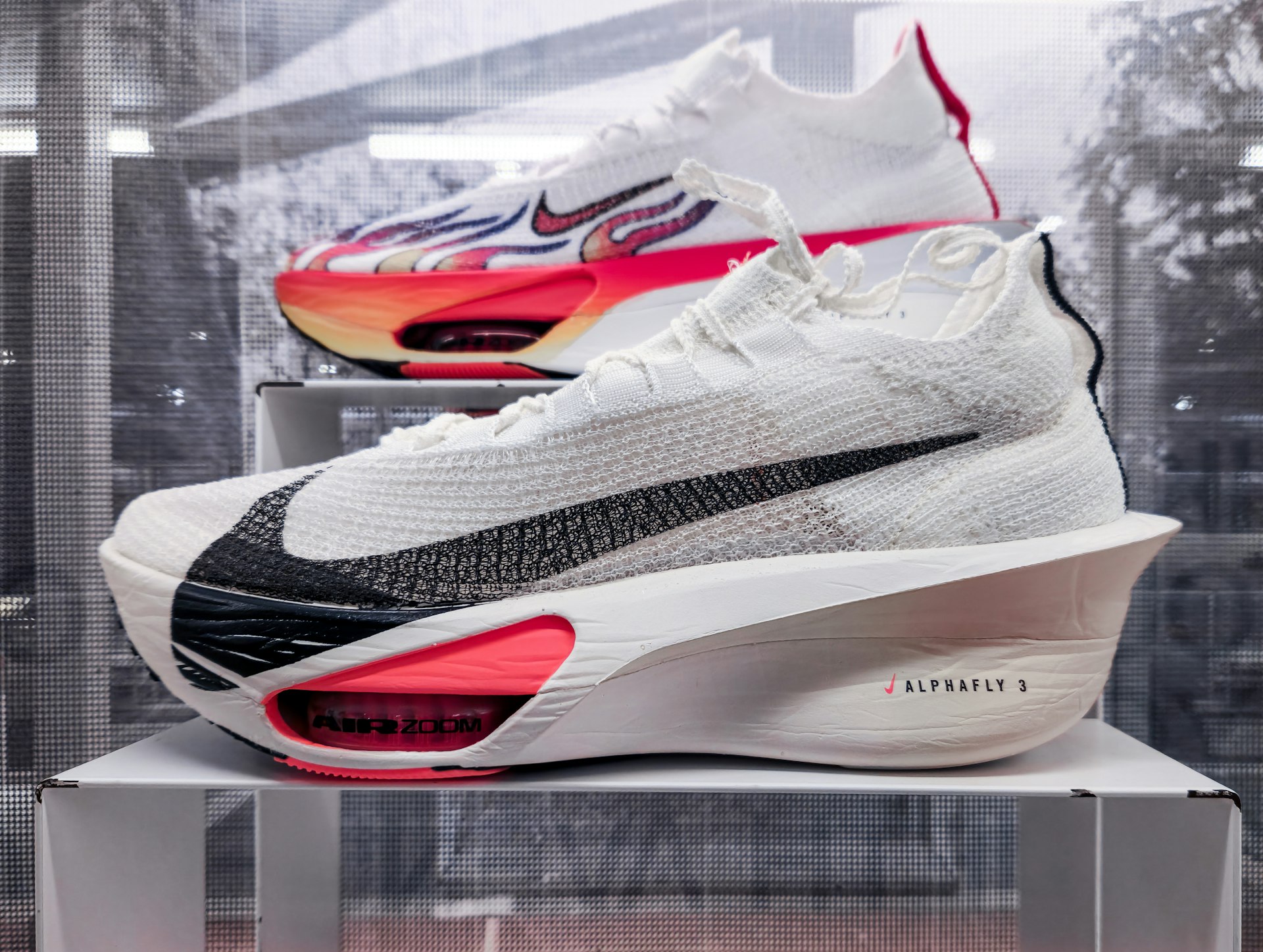
Photo by Hermes Rivera on Unsplash
Introduction to Sports Entrepreneurship and Startup Innovation
Sports entrepreneurship combines athletic passion with business acumen to create ventures that disrupt traditional models. Startup innovation in this space leverages technology to enhance performance, engagement, and sustainability. In 2026, the sector sees rapid evolution, with startups raising significant funding and adopting trends like AI analytics and hybrid events. [1] [2] Entrepreneurs must identify opportunities in digital fitness, data-driven tools, and community-focused programs to build scalable businesses. This article outlines trends, strategies, real-world examples, and actionable steps for aspiring sports entrepreneurs.
Top Trends Shaping Sports Startups in 2026
The sports industry is projected to grow through tech integration. Key trends include digital fitness platforms, which use apps and wearables for accessible training anytime, anywhere. Hybrid events blend physical and virtual participation to expand reach, while inclusive programs cater to diverse skill levels and abilities, fostering community. [1] Sustainable sports events emphasize eco-friendly practices, and content marketing via video and social media amplifies brand impact. Youth sports trends highlight smart facility tech and AI training apps as baselines, with platforms like Diamond Kinetics analyzing swings via smartphone cameras. [4]
AI-powered performance platforms are becoming core infrastructure, alongside prediction markets and fitness competitions with digital referees. Startups focusing on these can differentiate in a competitive market. [9] [5] For instance, wearable tech and analytics address athlete needs, from concussion detection to motion tracking, enabling precise feedback and injury prevention.
Innovative Sports Tech Startups Leading the Way
Emerging startups exemplify innovation. Precision Sports Technology’s KinetikIQ provides real-time exercise feedback to optimize performance and rehab, founded in 2021 in the UK. [3] Reticulo Sport Technology’s Studio offers AI-driven video analytics for racket sports, generating stats and highlights for better training. [3] KAMA centralizes football data for coaching intelligence, integrating GPS and video for custom reports. [3]
Kinny uses AI wearables for physical therapy, tracking movement in real-time via sensors in apparel. [3] DeepSport analyzes motion with phone cameras, measuring velocity and balance without extra gear. [3] These ventures show how targeted tech solves pain points, attracting investment like Teamworks’ $235 million at a $1.3 billion valuation. [4] Entrepreneurs can draw lessons: focus on niche problems, validate with pilots, and scale via data.
Strategies for Driving Growth in Sports Startups
Sports tech startups can accelerate growth through proven tactics. First, leverage data-driven storytelling: transform metrics into case studies, like a quarterback improving accuracy by 15% via software. [2] This builds credibility with investors and users. Second, form strategic partnerships with leagues, teams, or influencers for validation and reach-start with pilot programs in youth or semi-pro settings.
Optimize digital presence across platforms for visibility, reflecting authority through consistent content. Embrace scalable revenue models like freemium apps with premium features for recurring income. [2] Engage communities via loyalty and referral programs, capitalizing on sports’ social nature. Challenges include limited budgets; solutions involve bootstrapping pilots and prioritizing high-ROI channels. Alternatives: niche focus before broad scaling or B2B sales to facilities.
Step-by-Step Guide to Launching a Sports Startup
Step 1: Identify a problem, such as injury prevention or fan engagement, using market research from reports on trends. [1] Analyze competitors like those in StartUs Insights. [3] Step 2: Validate with prototypes-test wearables or apps in small groups, gathering feedback. Step 3: Build partnerships; approach local leagues for pilots, offering free access for testimonials.
Step 4: Develop MVP with scalable tech like AI analytics, ensuring data privacy. Step 5: Launch digitally-create content showcasing results, optimize SEO for sports tech keywords. Step 6: Monetize via subscriptions; track metrics for storytelling. Step 7: Scale through referrals and funding pitches highlighting traction. Potential hurdles: regulatory compliance for wearables; mitigate with expert consultations. Alternatives: start with software-only to reduce costs.
Investment and Funding Opportunities in Sports Innovation
2026 brings inflection points with private equity deals up 100% year-over-year. [4] Focus on AI platforms and women’s sports for investor appeal. [8] To attract funding, demonstrate traction via pilots and data stories. Pitch to VCs like SeventySix Capital, emphasizing trends like digital referees. [5] Challenges: high competition; solution: niche differentiation. Build networks at sports management events or via LinkedIn outreach to investors.
Challenges and Solutions for Sports Entrepreneurs
Common challenges include market saturation and tech adoption barriers. Solutions: differentiate with inclusivity or sustainability. [1] Regulatory issues for health data require compliance experts. Funding gaps? Bootstrap with service models before product launch. Economic slowdowns favor resilient startups with multiple revenues. [3] Success stories like Unrivaled Sports’ $120 million raise show persistence pays. [4]

Photo by King Siberia on Unsplash
Future Outlook for Sports Entrepreneurship
By 2026, sports startups integrating AI, sustainability, and community will lead. Entrepreneurs should monitor global trends like digital sport shifts. [7] Actionable next steps: research specific niches, prototype ideas, and network strategically for partnerships and funding.
References
[1] Zenfit (2026). Top 5 Sports Trends Startups Should Watch in 2026.
[2] Underdog Sports (2026). Five Easy Ways Sports Tech Startups Can Drive Growth in 2026.
[3] StartUs Insights. 10 New Innovative Sports Technology Startups.
[4] Youth Sports Business Report (2026). Five Youth Sports Trends We’re Watching in 2026.
[5] SeventySix Capital (2026). 2026 Sports Business Predictions.
[7] IE University. 5 Global Trends in Sports Management for 2026.
[8] Porter Wills. The Top 8 Sports Marketing Trends for 2026.
[9] Dakota (2026). Top Sports Investment Trends to Watch in 2026.