Mental Health Support Systems for Athletes: Building Resilience On and Off the Field

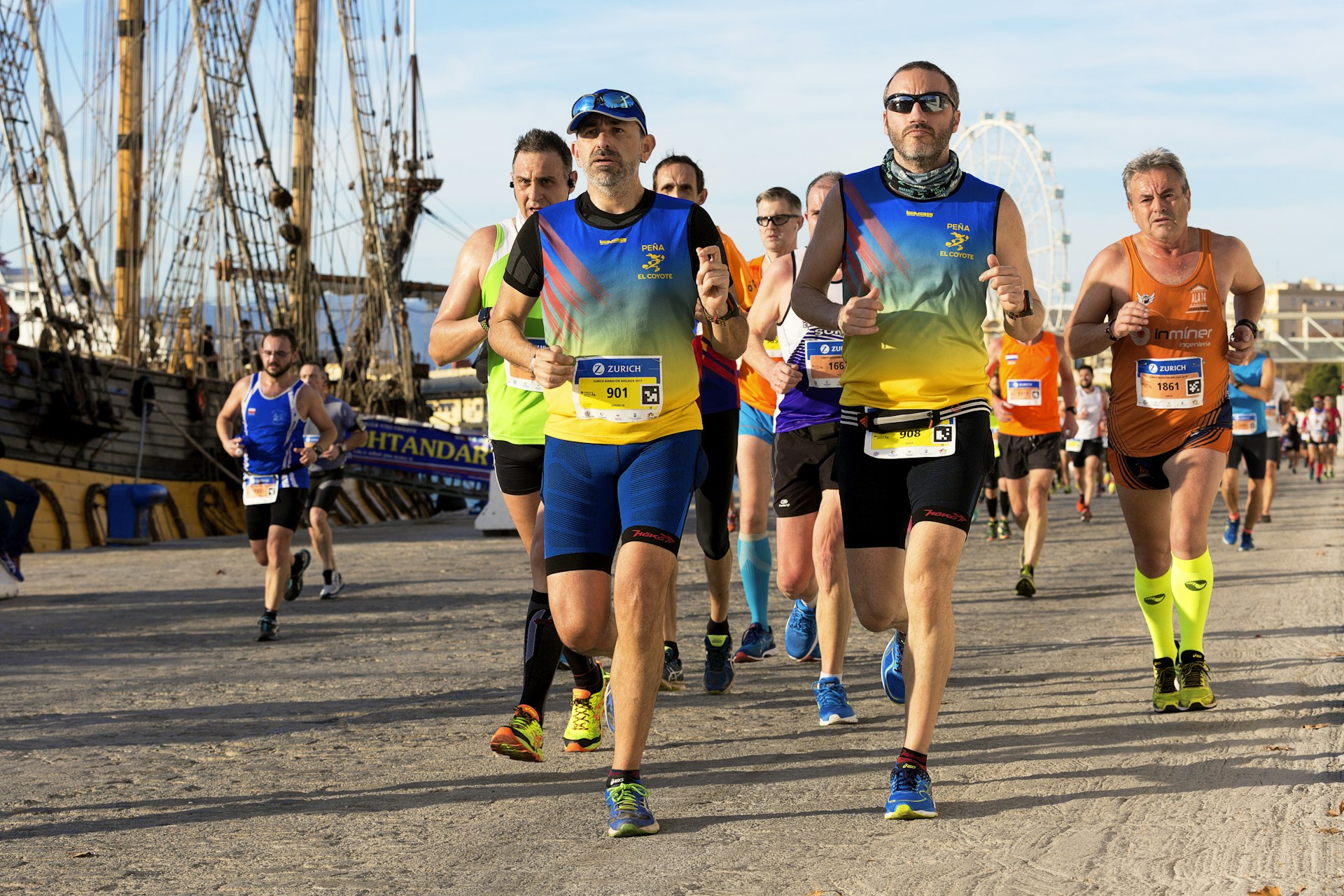
Photo by Land O’Lakes, Inc. on Unsplash
Understanding Mental Health Challenges for Athletes
Athletes at all levels, from collegiate competitors to elite professionals, often endure high-stakes environments filled with rigorous training schedules, performance expectations, injuries, and public scrutiny. These factors can lead to significant mental health struggles, including anxiety, depression, burnout, and stress. A study highlighted that only 10% of student-athletes experiencing mental health challenges seek professional support, largely due to stigma and limited access [1] . High expectations leave little room for self-care, exacerbating issues like emotional exhaustion. Recognizing these challenges is the first step in establishing effective support systems. For instance, post-pandemic surveys by the NCAA revealed over 80% of coaches across divisions now spend more time discussing mental health with athletes, signaling a cultural shift toward openness [1] .
Individual factors such as gender play a role; research indicates female athletes and coaches are more inclined to seek or refer mental health services, while perceived stigma from peers and coaches often acts as a barrier [6] . Administrators’ attitudes also influence availability, with some viewing general university counseling as sufficient, though sport-specific expertise is often needed. To address this, support systems must be multifaceted, combining professional care, peer encouragement, and accessible technology to foster a safe environment where athletes feel empowered to prioritize their mental health.
Key Components of Effective Mental Health Support Systems
Robust mental health support for athletes integrates several layers: professional expertise, peer networks, educational programs, and technology-driven solutions. Incorporating mental health experts directly into athletic departments ensures prompt interventions for issues like stress management and performance anxiety. These professionals, including sport psychologists, counselors, and psychiatrists, provide tailored assessments and treatments, such as cognitive behavioral therapies proven effective for athletes [3] .
Mandatory education workshops normalize mental health discussions, equipping athletes, coaches, and staff with knowledge to identify warning signs early. Peer mental health programs are particularly powerful, as teammates sharing similar experiences reduce stigma and offer relatable support. The NCAA’s Layers of Care Model recommends student-athlete mentor programs, where trained peers inspire hope through their own recovery stories [5] . Technology enhances accessibility; digital platforms offer 24/7 self-guided resources, check-ins, and counseling, ideal for athletes’ demanding schedules. Partnerships like the Sun Belt Conference with TimelyCare exemplify this, providing scheduled counseling, peer communities, and wellness tools across campuses [1] .
Holistic integration with nutrition, fitness, and medical care rounds out the system. Exercise itself boosts endorphins, aiding mood regulation, but combining it with mental health strategies maximizes benefits [4] . Challenges like resistance to vulnerability can arise, but solutions include leadership buy-in from coaches to model help-seeking behaviors, creating a culture of caring that permeates teams.
National and Organizational Resources for Athletes
For elite and Team USA athletes, the United States Olympic & Paralympic Committee (USOPC) offers specialized resources. Their Mental Health & Performance Directory allows filtering for licensed providers like psychologists, psychiatrists, and Certified Mental Performance Consultants experienced with high-level athletes. A 24/7 confidential support line connects callers to licensed professionals worldwide by dialing +1-719-866-2255, aiding crisis management and wellness referrals [2] . Collegiate athletes benefit from NCAA guidelines emphasizing screenings, referrals, and ongoing care, often met through virtual services that integrate with campus centers.
Specialized clinics, such as those focusing on sports psychiatry, provide comprehensive plans including medication management mindful of performance impacts and neuropsychological testing for concussions [3] . Universities can adapt by building professional networks with nutritionists and trainers who address both physical and mental needs. Real-world examples include conferences-wide initiatives reducing barriers through anytime access, proving scalable models work. Athletes should explore these by contacting their athletic department or national governing bodies for directory access.

Photo by Andrew Heald on Unsplash
Steps to Access and Build Your Support System
Start by self-assessing: Track symptoms like persistent fatigue, irritability, or performance dips, which may signal need for help. Step one: Discuss with a trusted coach or teammate to gauge team resources. Many programs now mandate mental health liaisons. Step two: Request a referral through your athletic department for on-site counseling or sport psychologists. For collegiate athletes, inquire about peer mentor programs via NCAA-affiliated services.
Step three: Utilize national hotlines like the USOPC line for immediate, confidential support, especially during travel or crises. Step four: Explore digital platforms recommended by your institution, such as those offering TalkNow or self-guided modules, ensuring 24/7 availability. If facing stigma, seek peer networks first-teammates often provide the initial bridge to professionals. Tailor to individual needs: Endurance athletes might prioritize burnout prevention, while contact sport participants focus on injury-related anxiety.
Potential hurdles include scheduling conflicts; overcome by opting for virtual care. Lack of awareness? Attend workshops or review NCAA best practices. Track progress with regular check-ins, adjusting as needs evolve. Families and friends play supportive roles by encouraging openness without pressure, reinforcing the professional network.
Overcoming Barriers and Promoting Long-Term Wellness
Stigma remains a primary obstacle, but data shows willingness to use services when barriers like peer norms and availability are addressed [6] . Coaches’ influence is pivotal-prioritizing mental health discussions builds trust. Administrators should hire diverse professionals attuned to athletes’ unique pressures. Long-term, personalized plans prevent relapse, incorporating lifestyle changes like balanced nutrition linked to mental resilience [4] .
Case studies from partnerships demonstrate reduced stigma and improved outcomes, with virtual care meeting NCAA standards effectively [1] . Athletes maintain wellness through daily practices: mindfulness, adequate rest, and social connections. By fostering these systems, athletes not only enhance performance but sustain fulfilling careers and lives beyond sports.
References
[1] TimelyCare (n.d.). Building Stronger Athletes Through Better Mental Health Support. [2] USOPC (n.d.). Mental Health & Performance. [3] Mental Fitness Clinic (n.d.). Athletes | Psychotherapy Services. [4] BSN Sports (n.d.). Key Tips for Creating Athlete Support Systems. [5] Higher Ed Today (2023). What Can Colleges Do to Support Student-Athlete Mental Health. [6] PMC (2018). Collegiate athletes’ mental health services utilization: A systematic review.