Wearable Sensors: Transforming Sports Performance Analysis and Optimization

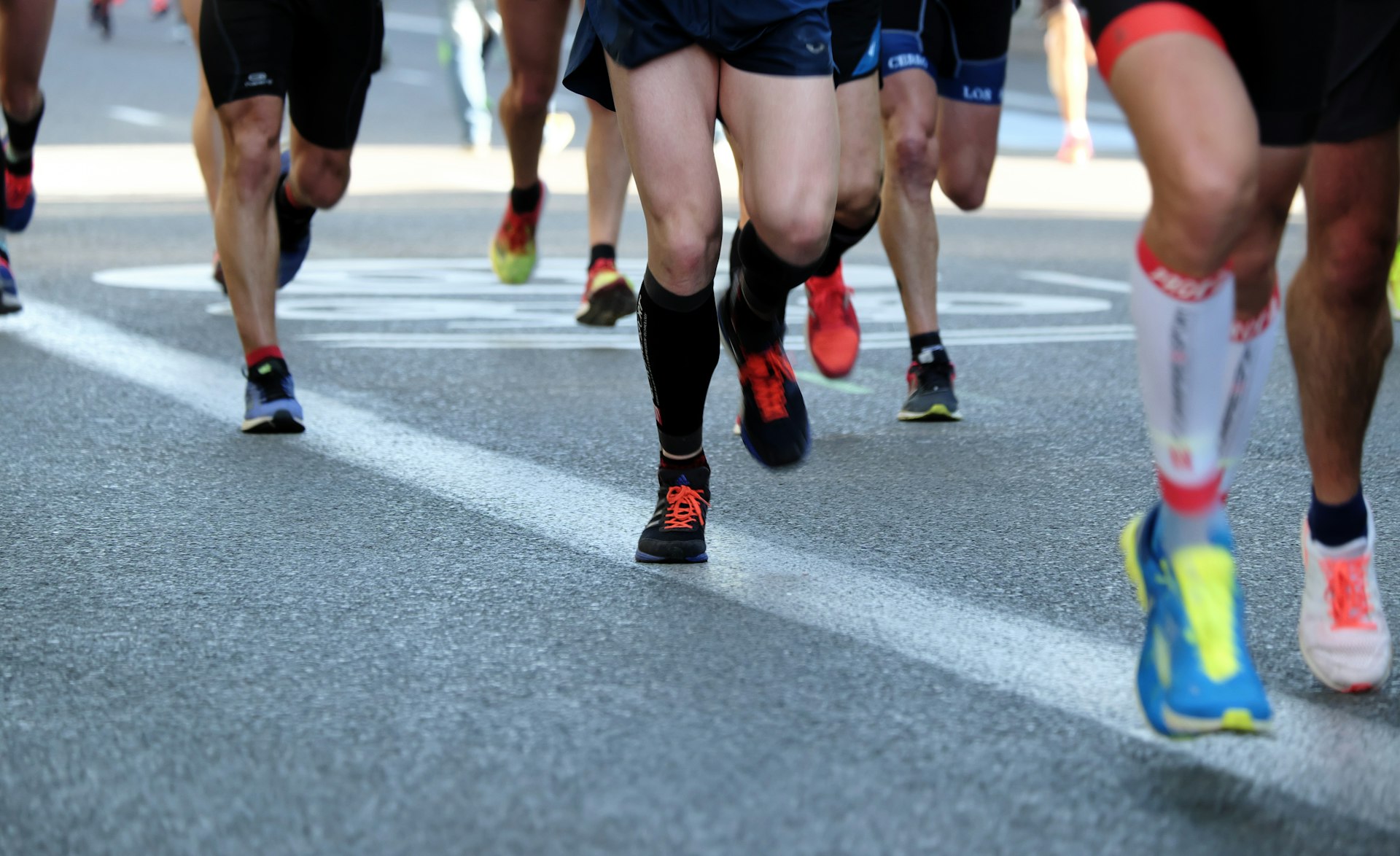
Photo by Sanket Mishra on Unsplash
Introduction: The New Era of Athletic Performance Analysis
Wearable sensors have ushered in a new age of sports performance analysis, dramatically enhancing how athletes and coaches monitor, measure, and optimize training and competition. By offering real-time, quantitative insights, these devices have become indispensable in professional and amateur sports alike. This article explores the tangible impact of wearable sensors on performance analysis, including their benefits, practical implementation, industry examples, common challenges, and actionable steps for athletes and organizations.
What Are Wearable Sensors and How Do They Work?
Wearable sensors are compact electronic devices embedded in clothing, accessories, or directly worn on the body. They continuously track physiological and biomechanical parameters such as heart rate, joint angles, muscle activation, respiration, and movement patterns. Technologies like photoplethysmography (PPG) and electrocardiography (ECG) enable devices to non-invasively measure heart activity, while accelerometers, gyroscopes, and GPS modules capture motion and spatial data [1] [4] .
Most modern wearables transmit data wirelessly to cloud-based platforms or mobile apps, allowing for real-time analysis and feedback. This seamless integration of hardware, software, and analytical tools has redefined the landscape of performance analysis in sports.

Photo by Revendo on Unsplash
Core Benefits of Wearable Sensors in Performance Analysis
1. Real-Time Data Collection and Feedback Wearable sensors provide instantaneous feedback on key metrics like heart rate, speed, distance, joint angles, and muscle activation. Athletes and coaches can make data-driven decisions during training or competition, adjusting intensity and technique on the fly [2] [3] .
2. Enhanced Training Optimization By analyzing comprehensive datasets, coaches can tailor training regimens to individual athletes, calibrating workloads and avoiding excessive physical stress. This helps balance fitness and recovery, minimizing injury risk and maximizing performance gains [2] .
3. Injury Prevention and Recovery Monitoring
Continuous monitoring of physiological parameters makes it possible to detect early signs of fatigue, stress, and overtraining. Parameters like heart rate variability (HRV) and oxygen saturation (SpO
2
) guide recovery protocols and help prevent injuries
[4]
.
4. Technique and Form Improvement Detailed biomechanical data-such as running dynamics, jump height, and impact frequency-provides actionable feedback for athletes to refine technique and posture. This leads to improved efficiency and reduced biomechanical load during activity [1] .
5. Comprehensive Quantitative Analysis Aggregated data across weeks, months, and seasons enables longitudinal analysis of performance trends. Athletes and coaches can fine-tune strategic planning and make informed decisions about training cycles and competition schedules [2] .
Implementation: Steps to Harness Wearable Sensor Technology
To effectively leverage wearable sensors for performance analysis, consider the following step-by-step guidance:
- Identify Performance Goals Define clear objectives such as improving endurance, optimizing recovery, or enhancing technique. This will determine the relevant metrics to track.
- Select Appropriate Devices Choose wearable technology based on the sport and desired data (e.g., GPS trackers for field sports, heart rate monitors for endurance activities, smart textiles for muscle analysis). Research devices from established providers like Catapult, Garmin, or Polar-visit their official websites and product pages for verified options. Always confirm device compatibility with your training environment and data management systems.
- Integrate Devices into Training Incorporate wearables into regular training sessions and matches. Ensure athletes are comfortable and familiar with device operation. Use companion apps or cloud platforms to monitor data and provide immediate feedback.
- Analyze Data for Actionable Insights Work with performance analysts or use built-in software to interpret sensor data. Look for trends, anomalies, and areas for improvement. Adjust training loads, recovery periods, and technique based on evidence from the data.
- Review and Refine Periodically assess the effectiveness of wearable sensor integration. Solicit athlete feedback and stay updated with technological advancements. Consider conducting controlled trials to validate improvements and optimize sensor use.
If you are seeking to implement wearable sensor technology, begin by consulting reputable sports technology providers directly. You can search for official product information using terms like “professional sports wearables” or “athlete performance sensors” on established manufacturer websites and retail platforms. Always verify the device’s certification and compatibility before purchase.
Case Examples: Real-World Impact
Elite sports organizations have demonstrated the substantial benefits of wearable sensors in performance analysis. For example, professional soccer clubs routinely employ GPS trackers and motion sensors to monitor player exertion, sprint counts, and recovery rates. According to published research, consistent use of wearables led to quantifiable improvements in heart rate, joint movement, and muscle activation among athletes undergoing physiotherapy [1] .
Commercial solutions like Catapult One provide all-in-one devices that track speed, distance, heart rate, and more-delivering actionable insights to athletes and coaches for optimizing performance outcomes [3] .
Challenges and Solutions
Data Overload and Interpretation A common challenge is managing the sheer volume of data generated by wearables. To address this, use platforms with advanced analytics and visualization capabilities. Training for coaches and athletes on data literacy is recommended.
Accuracy and Reliability Sensor accuracy can be affected by device placement, calibration, and user compliance. Always follow manufacturer guidelines and conduct periodic device checks. Consider using multiple devices for critical measurements and compare results to ensure consistency [4] .
Privacy and Data Security Protecting athlete data is crucial. Use devices and platforms that comply with relevant data protection standards (such as GDPR or HIPAA where applicable). Educate athletes about data privacy and obtain informed consent before data collection.
Alternative Approaches and Future Directions
While wearable sensors are highly effective, some athletes and organizations use alternative or complementary methods such as video motion analysis, manual timing, and laboratory-based testing. These can supplement wearable data for a more comprehensive evaluation. However, wearables remain the most practical and scalable solution for real-time, ongoing analysis.
Future advancements may include more sophisticated smart textiles, AI-powered data interpretation, and expanded integration with virtual training environments. Staying informed about emerging technologies through specialized publications and industry conferences can help teams maintain a competitive edge.
How to Access Wearable Sensor Solutions
To acquire wearable sensors for performance analysis:
- Research established sports technology providers (e.g., Catapult, Garmin, Polar, Suunto) using verified search terms such as “sports performance wearables” or “athlete tracking sensors.” Visit official manufacturer websites for product details and purchasing options.
- Consult with sports medicine professionals or certified athletic trainers for guidance on device selection and integration into your training program.
- For team-wide implementation, reach out to official sales representatives of technology providers through their verified contact channels-typically found on the provider’s website under “Contact Us” or “Sales Inquiry.”
- Consider attending industry trade shows or webinars hosted by reputable organizations for hands-on demonstrations and expert advice.
If you require further assistance, you may contact your national or regional sports governing body for recommendations on certified wearable sensor solutions. Always verify the legitimacy of providers and devices before making any purchase or data integration decision.
Key Takeaways
Wearable sensors have fundamentally changed the landscape of sports performance analysis, empowering athletes and coaches with actionable data to drive optimization, safety, and competitive success. By understanding the capabilities, implementation steps, and challenges of these devices, you can make informed decisions to elevate athletic achievement.
References
- [1] Alzahrani, A. (2024). Advanced biomechanical analytics: Wearable technologies and athletic performance. PMC.
- [2] Latino, F. (2024). Wearable Sensors and the Evaluation of Physiological Metrics. PMC.
- [3] Catapult Sports (2024). Wearable Technology in Sports.
- [4] CAS Insights (2024). Better safety, better performance: How sensors change the game.